New Journey
Nepal · Kanchenjunga
A remote Himalayan wilderness beneath the world’s third-highest peak.
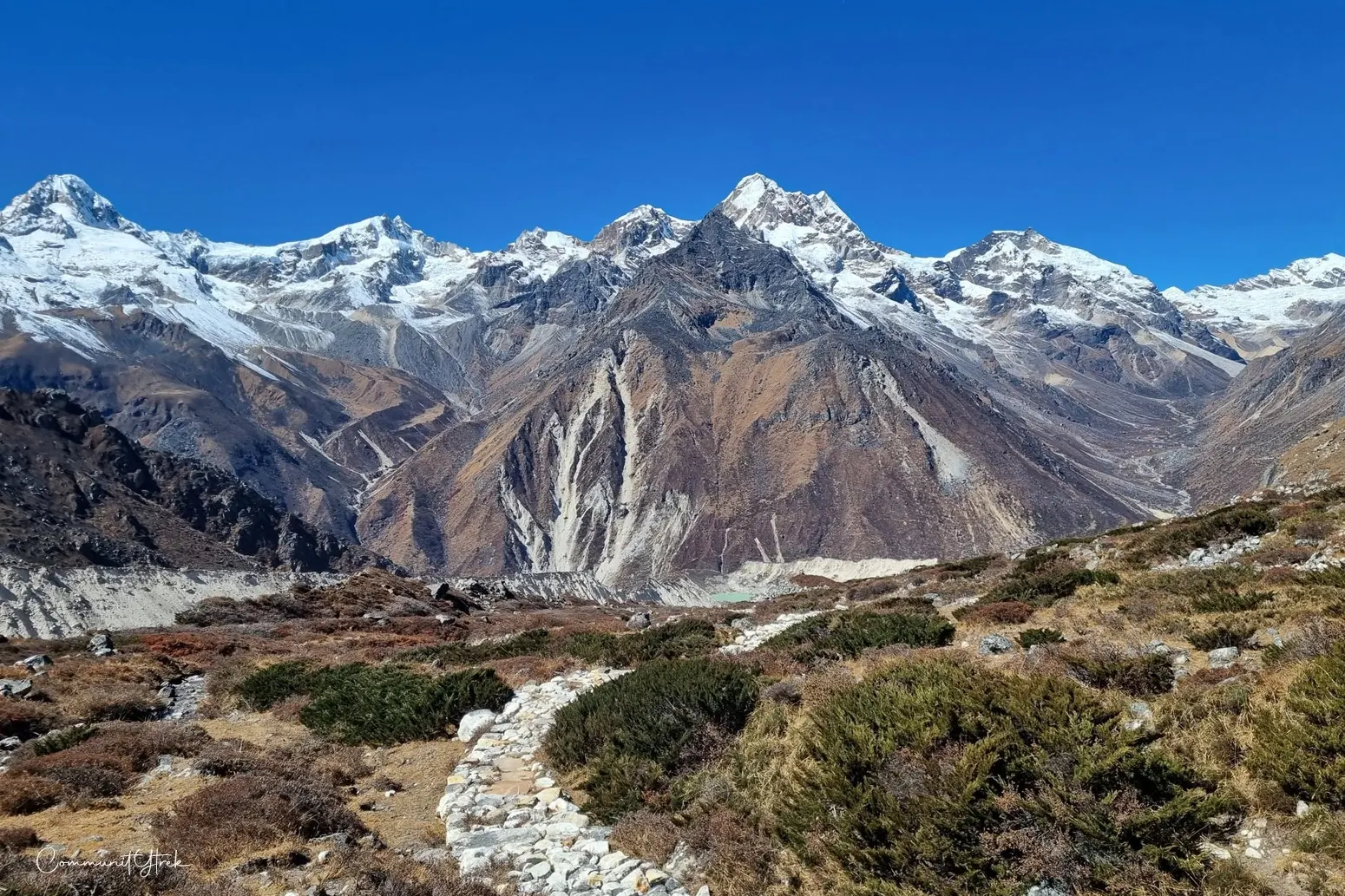
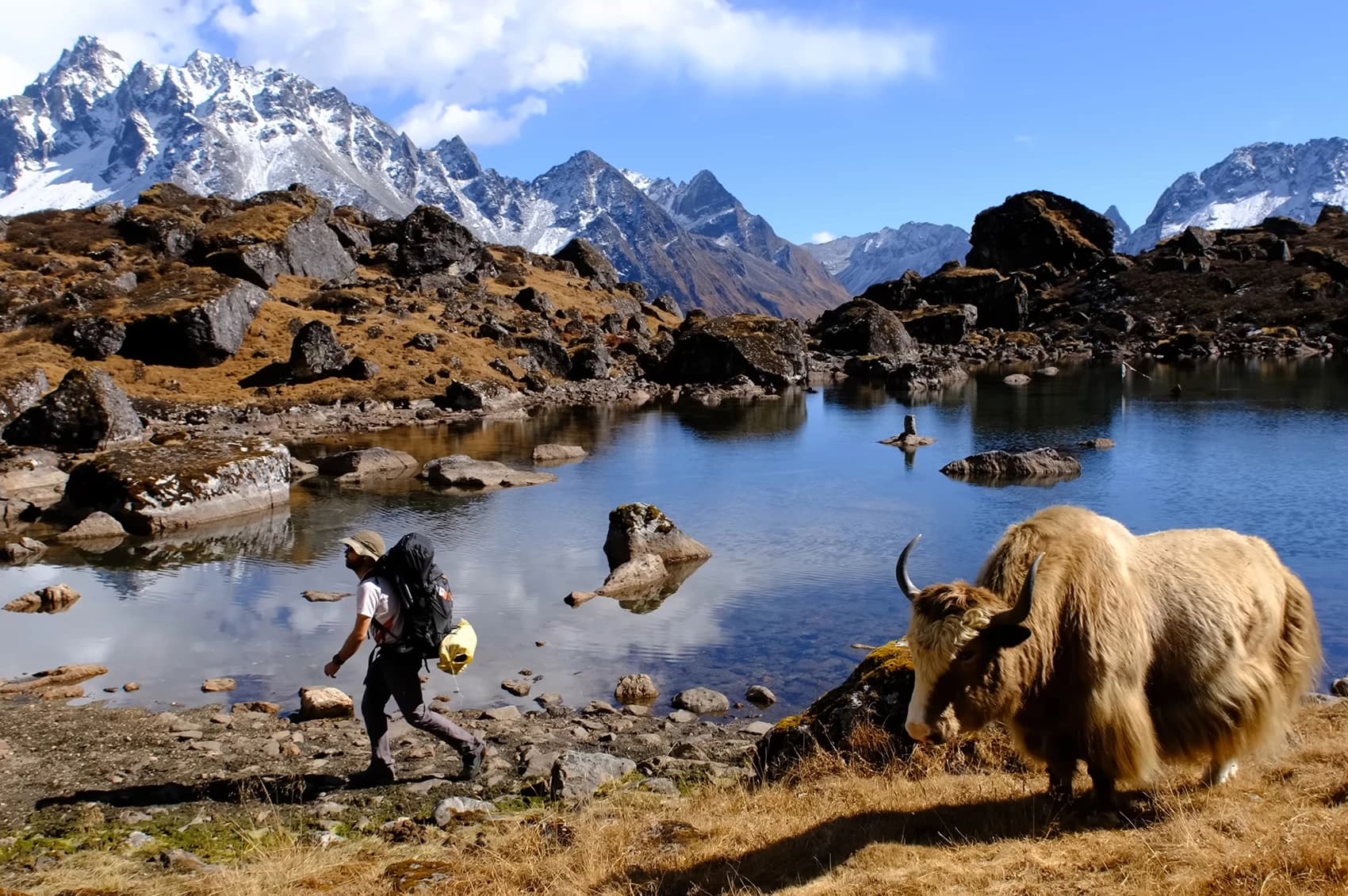
The Kanchenjunga Region is one of Nepal’s most remote and rewarding trekking destinations, offering an authentic Himalayan experience far from the busy trails of Everest and Annapurna. Dominated by Mount Kanchenjunga (8,586 m), the world’s third-highest mountain, the region unfolds through dramatic valleys, dense rhododendron forests, high alpine meadows, glacial landscapes, and traditional mountain villages. Trekkers can explore both the Kanchenjunga North and South Base Camp trails, encounter diverse cultures and warm local hospitality, and enjoy spectacular views of Kanchenjunga and surrounding peaks. With its untouched landscapes, rich biodiversity, peaceful trails, and genuine sense of wilderness, Kanchenjunga is an ideal choice for adventurous travellers seeking a deeper and more off-the-beaten-path Himalayan journey.
Explore every currently published journey in Kanchenjunga.
Use these regional notes as a starting point. Exact requirements can vary by route, season and itinerary.
A Kanchenjunga Conservation Area Permit (KCAP) and TIMS card are required for trekking in the region. Trekkers must also be accompanied by a licensed guide, as Kanchenjunga is a restricted and remote trekking area.
Kanchenjunga Base Camp trails reach high elevations, with North Base Camp at Pangpema around 5,143 m and South Base Camp around 4,610 m. Proper acclimatization, gradual ascent, hydration, and awareness of altitude sickness are essential.
Prepare for remote and unpredictable Himalayan conditions with warm layered clothing, a waterproof and windproof jacket, sturdy trekking boots, sleeping bag, trekking poles, sun protection, and a headlamp. Microspikes can be useful when trails are icy or snowy.
The Kanchenjunga region requires a longer journey from Kathmandu, usually involving a flight to Bhadrapur followed by an overland drive toward Taplejung and the trekking trailhead. Remote trails, basic facilities, and long walking days make careful planning and preparation essential.
Use these regional notes as a starting point. Exact requirements can vary by route, season and itinerary.
A Kanchenjunga Conservation Area Permit (KCAP) and TIMS card are required for trekking in the region. Trekkers must also be accompanied by a licensed guide, as Kanchenjunga is a restricted and remote trekking area.
Kanchenjunga Base Camp trails reach high elevations, with North Base Camp at Pangpema around 5,143 m and South Base Camp around 4,610 m. Proper acclimatization, gradual ascent, hydration, and awareness of altitude sickness are essential.
Prepare for remote and unpredictable Himalayan conditions with warm layered clothing, a waterproof and windproof jacket, sturdy trekking boots, sleeping bag, trekking poles, sun protection, and a headlamp. Microspikes can be useful when trails are icy or snowy.
The Kanchenjunga region requires a longer journey from Kathmandu, usually involving a flight to Bhadrapur followed by an overland drive toward Taplejung and the trekking trailhead. Remote trails, basic facilities, and long walking days make careful planning and preparation essential.
Practical guides, local context and expedition stories connected to this region and its journeys.
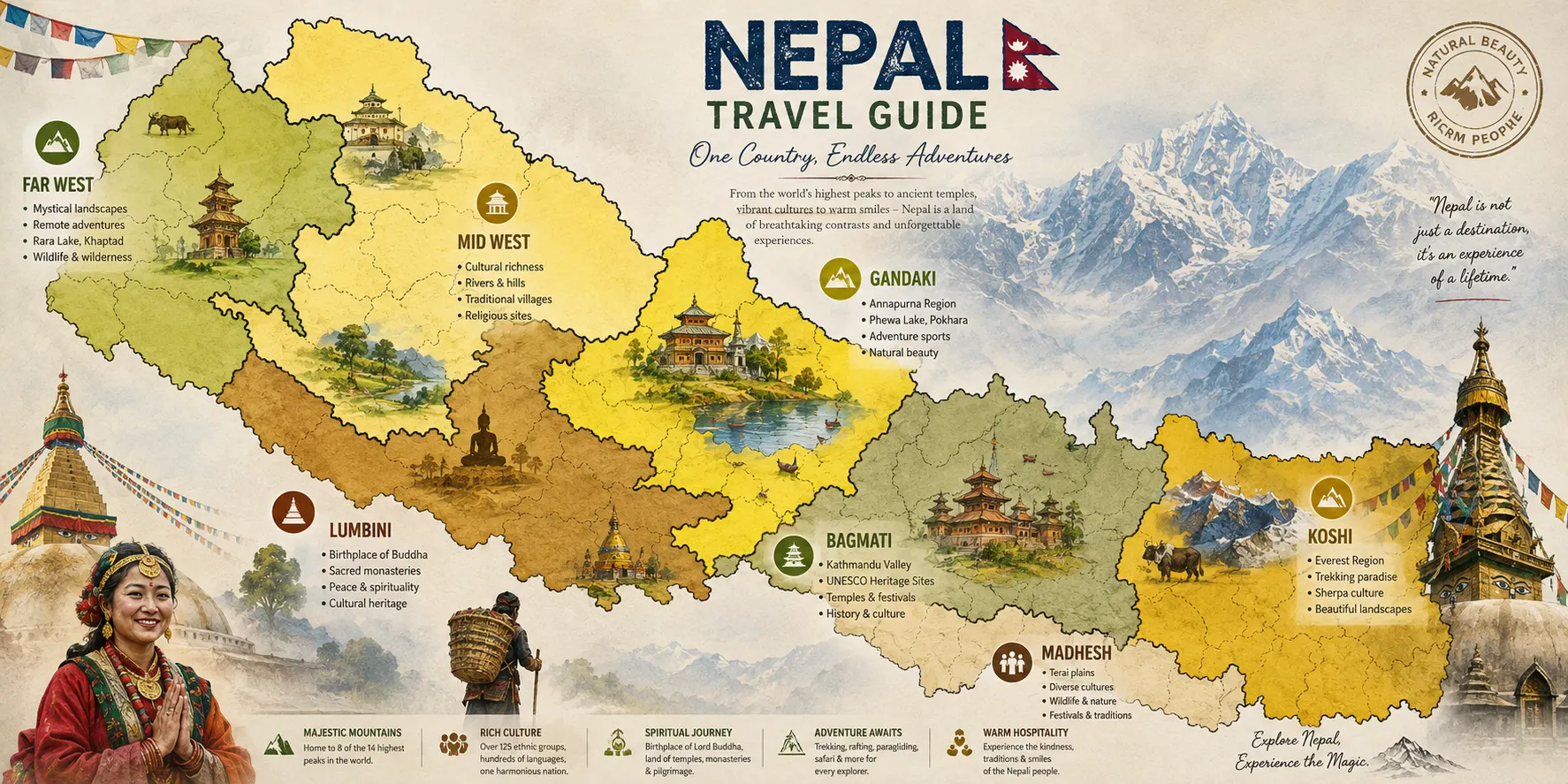
Discover the best treks, tours, places to visit, travel costs, itineraries, seasons, culture, safety and local tips.

From Himalayan kitchens to Kathmandu streets, taste the real Nepal.
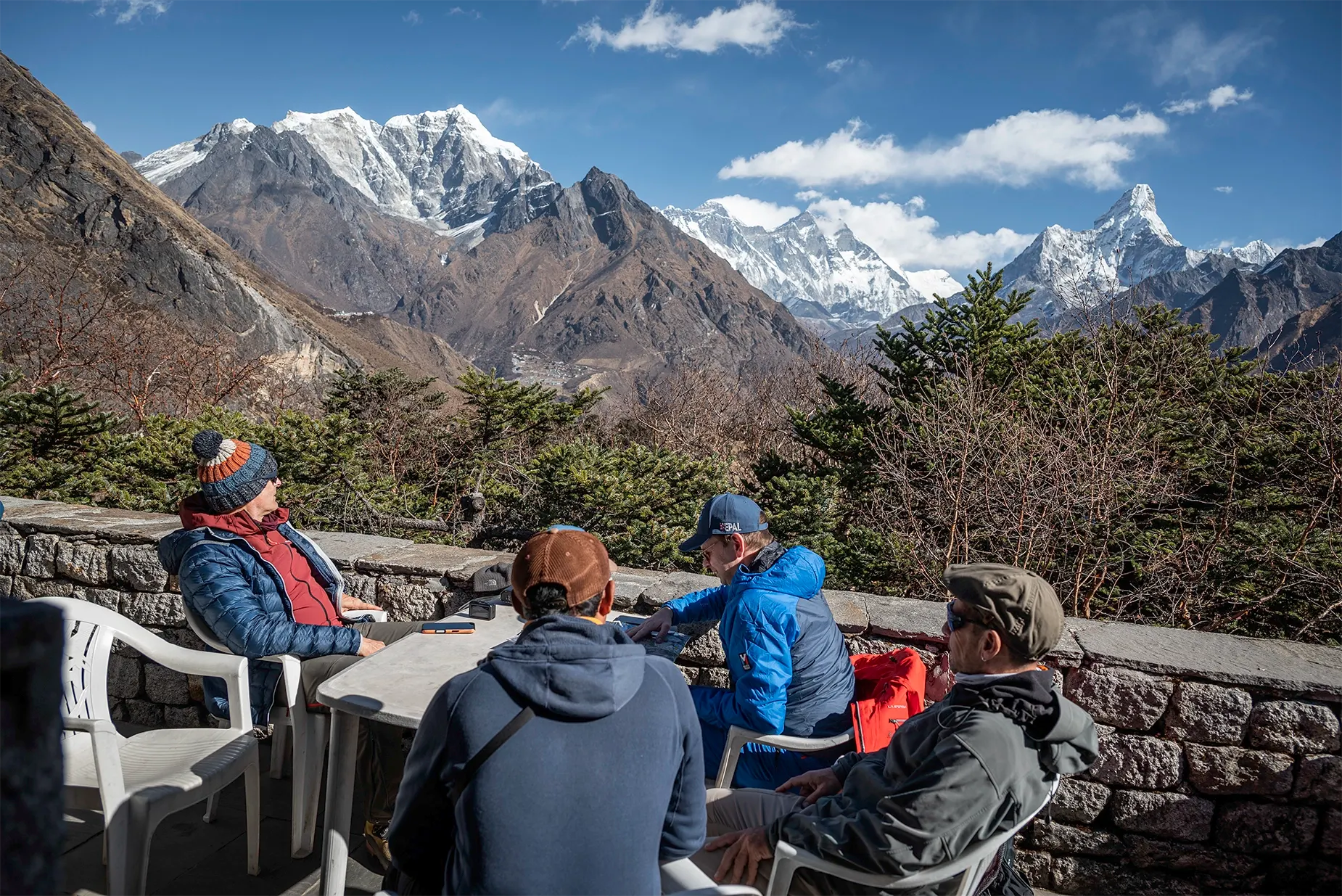
A Different Kind of Holiday | Walk, Explore & Celebrate Nepal.
Explore published journeys or talk with our team about a route shaped around your dates, pace and interests.