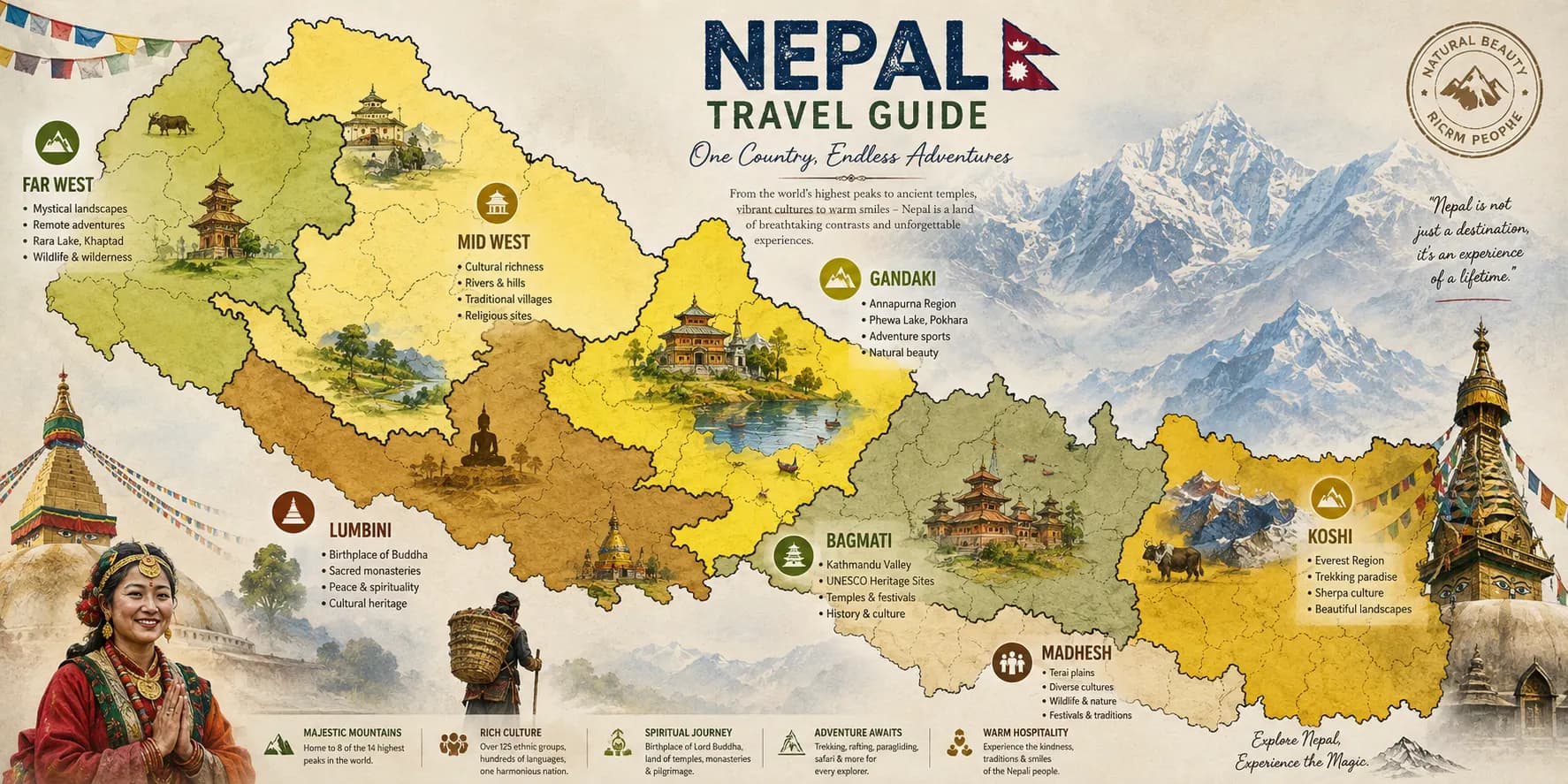
Everything You Need to Know Before Visiting Nepal
Explore, Connect & Experience Nepal with Community Trek
Nepal is more than the home of Mount Everest.
It is a country where some of the world's highest mountains meet ancient cities, peaceful monasteries, traditional villages, green hills, deep valleys, wildlife, rivers and warm local communities.
For some travelers, Nepal is a once-in-a-lifetime Himalayan adventure. For others, it is a peaceful holiday filled with culture, nature, yoga, meditation and village experiences. Some come to trek to Everest Base Camp, while others prefer a comfortable journey through Kathmandu, Pokhara and Chitwan. Many want a combination of everything.
After many years of working as a trekking and adventure guide in Nepal, I have learned that there is no single "best" way to experience Nepal.
The best Nepal trip is the one that matches your time, interests, fitness, budget and curiosity.
This guide is designed to help you understand Nepal before you travel, from choosing the right season and itinerary to deciding which trek is right for you.
Why Visit Nepal?
Nepal is one of those destinations where a relatively small country offers an extraordinary variety of experiences.
You can spend the morning exploring an ancient Buddhist stupa in Kathmandu, travel through green hills in the afternoon and wake up the next morning surrounded by Himalayan peaks.
You can trek through the Everest region, relax beside Phewa Lake in Pokhara, explore the jungle of Chitwan, visit traditional villages, meditate at a monastery or simply enjoy a cup of tea while watching the mountains.
The Himalayas of Nepal
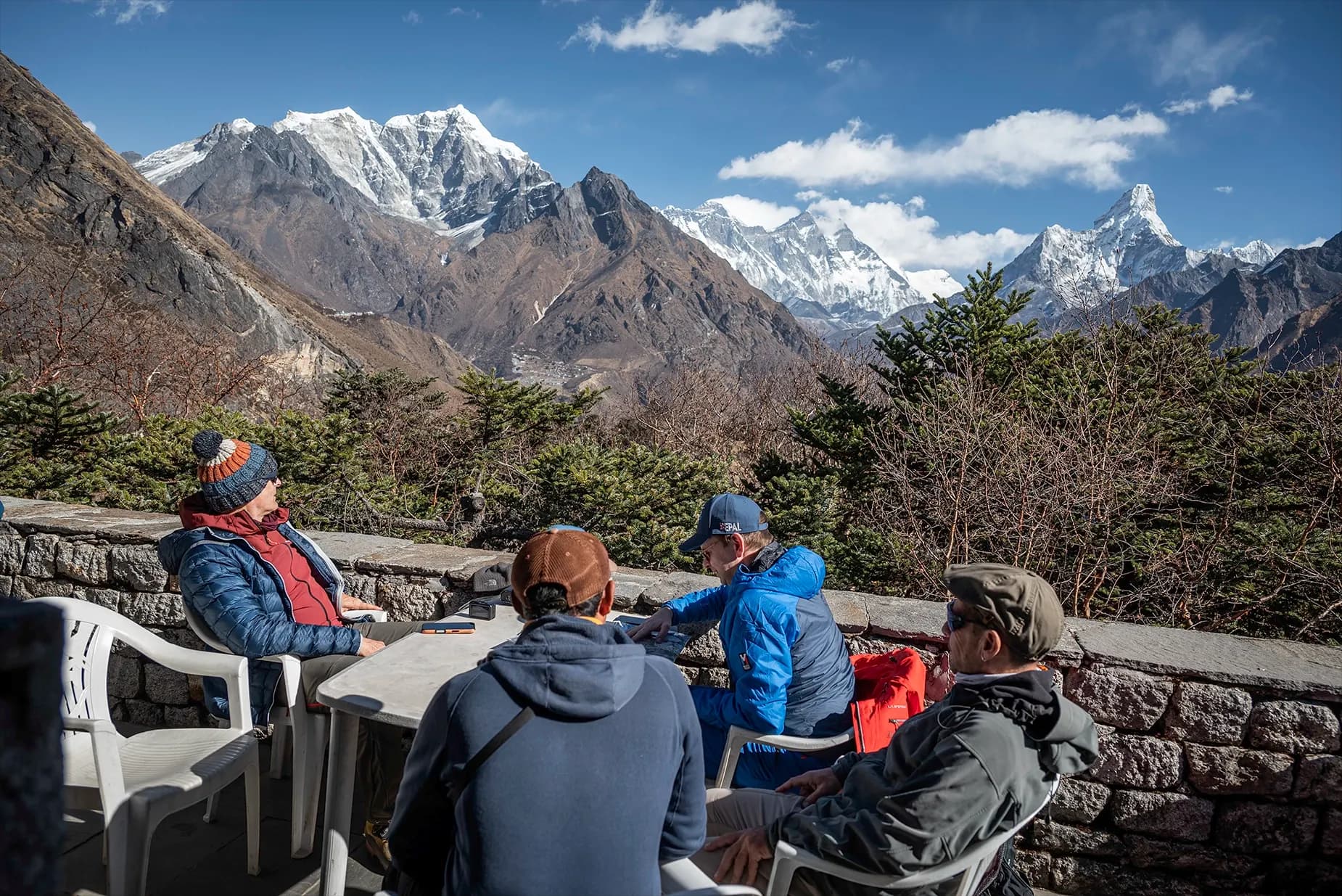
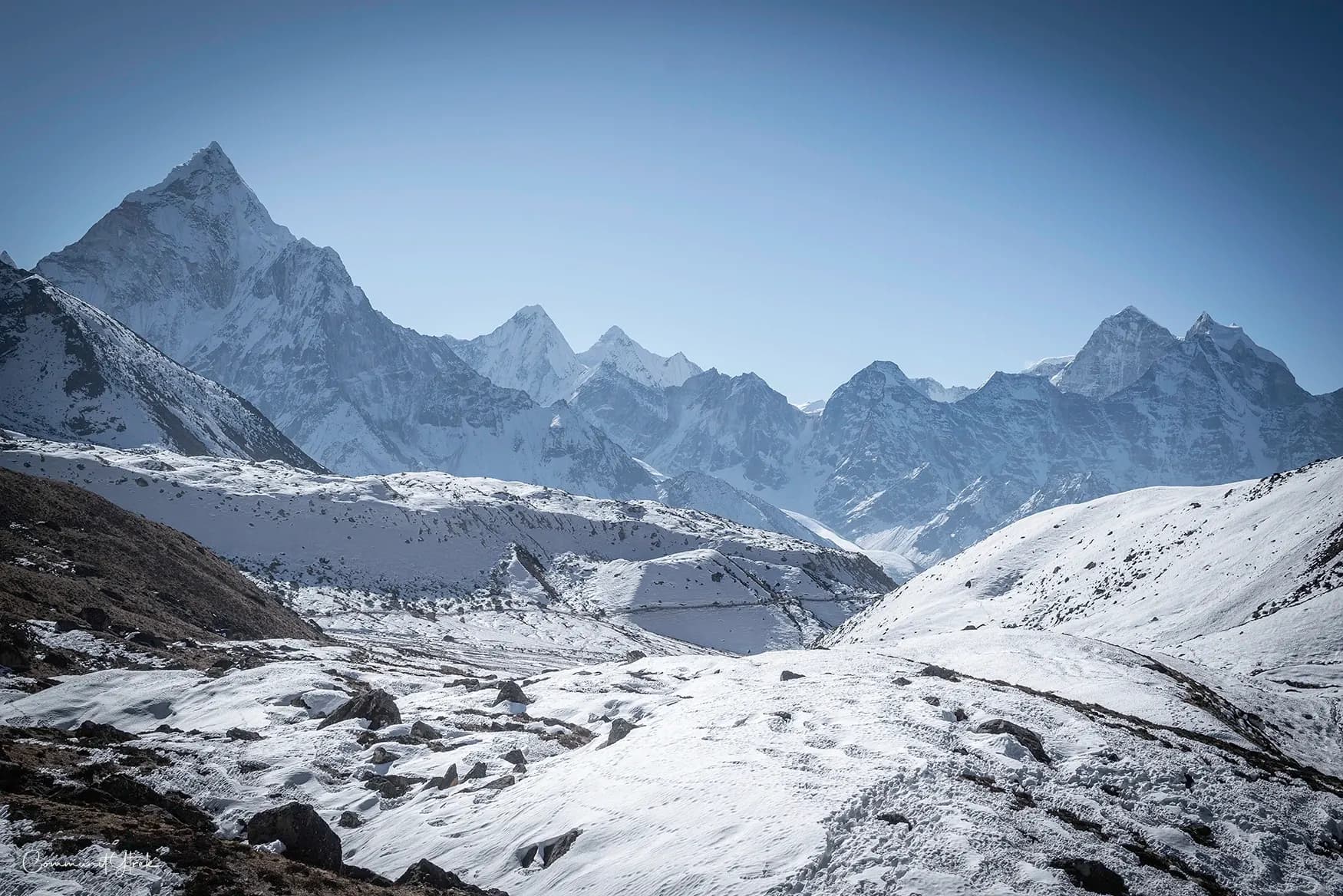
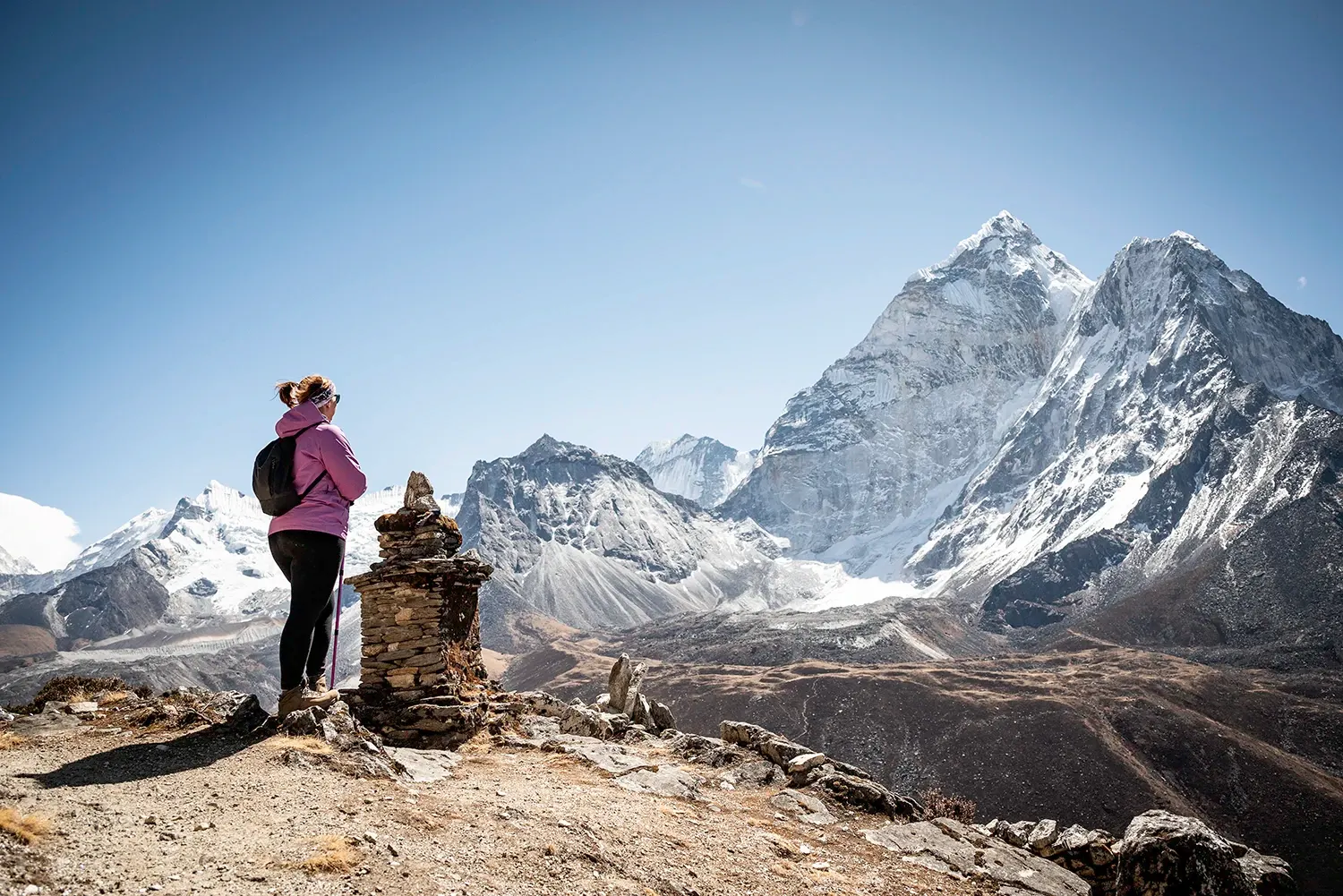
Nepal is home to the legendary Mount Everest and some of the most spectacular Himalayan peaks on Earth. Stretching across the northern part of the country, the Himalayas create a breathtaking landscape of snow-covered summits, deep valleys, glaciers, alpine meadows, and traditional mountain villages. From the iconic Everest region to the peaceful valleys of Langtang, Annapurna, Manaslu, and Kanchenjunga, every journey reveals a different side of the mountains.
But you don’t need to climb a mountain to experience the Himalayas. Nepal offers countless ways to enjoy the high mountains, whether you are an experienced trekker or simply looking for a beautiful Himalayan escape. Scenic viewpoints, mountain flights, gentle village walks, short hikes, and cultural journeys allow travelers to admire the grandeur of the Himalayas without taking on a technical climb.
A Trek for Every Kind of Traveler
Nepal’s trekking routes range from relatively easy short walks to demanding high-altitude adventures. Beginners can enjoy beautiful trails such as Ghorepani and Poon Hill, while travelers looking for a longer journey can explore the Annapurna Circuit, Langtang Valley, or Manaslu Circuit. For those seeking a greater challenge, high-altitude routes such as Everest Base Camp, the Three High Passes, Upper Mustang, and Kanchenjunga offer remote landscapes and unforgettable mountain experiences.
More Than Mountains
The Himalayas are not only about spectacular scenery. They are also home to diverse communities, ancient monasteries, sacred places, and mountain cultures that have developed over generations. Along the trails, you may meet Sherpa, Tamang, Gurung, Thakali, Magar, and other Himalayan communities, experience their warm hospitality, visit centuries-old monasteries, and discover traditions closely connected to the mountains.
Whether you come to walk beneath towering peaks, photograph dramatic landscapes, discover Himalayan culture, or simply find peace among the mountains, Nepal offers an experience for every traveler. Here, the Himalayas are not just something you see, they are something you experience, one trail, village, and mountain view at a time.
Nepal is home to Mount Everest and many other Himalayan peaks.
But you don't need to climb a mountain to experience the Himalayas.
There are trekking routes for different levels of experience, from relatively easy short treks to challenging high-altitude adventures.
Culture and Heritage
Nepal is a country where ancient traditions, living heritage, and spiritual practices are woven into everyday life. From centuries-old temples and Buddhist monasteries to historic courtyards, stone carvings, festivals, and traditional architecture, Nepal offers travelers a fascinating glimpse into a culture shaped by Hinduism, Buddhism, and many diverse ethnic communities.
The Kathmandu Valley is at the heart of Nepal’s cultural heritage, with historic cities, sacred temples, traditional squares, and remarkable UNESCO World Heritage sites. Places such as Boudhanath, Pashupatinath, Swayambhunath, Patan, and Bhaktapur allow visitors to experience Nepal’s rich religious traditions, architecture, art, and history in a deeply personal way.
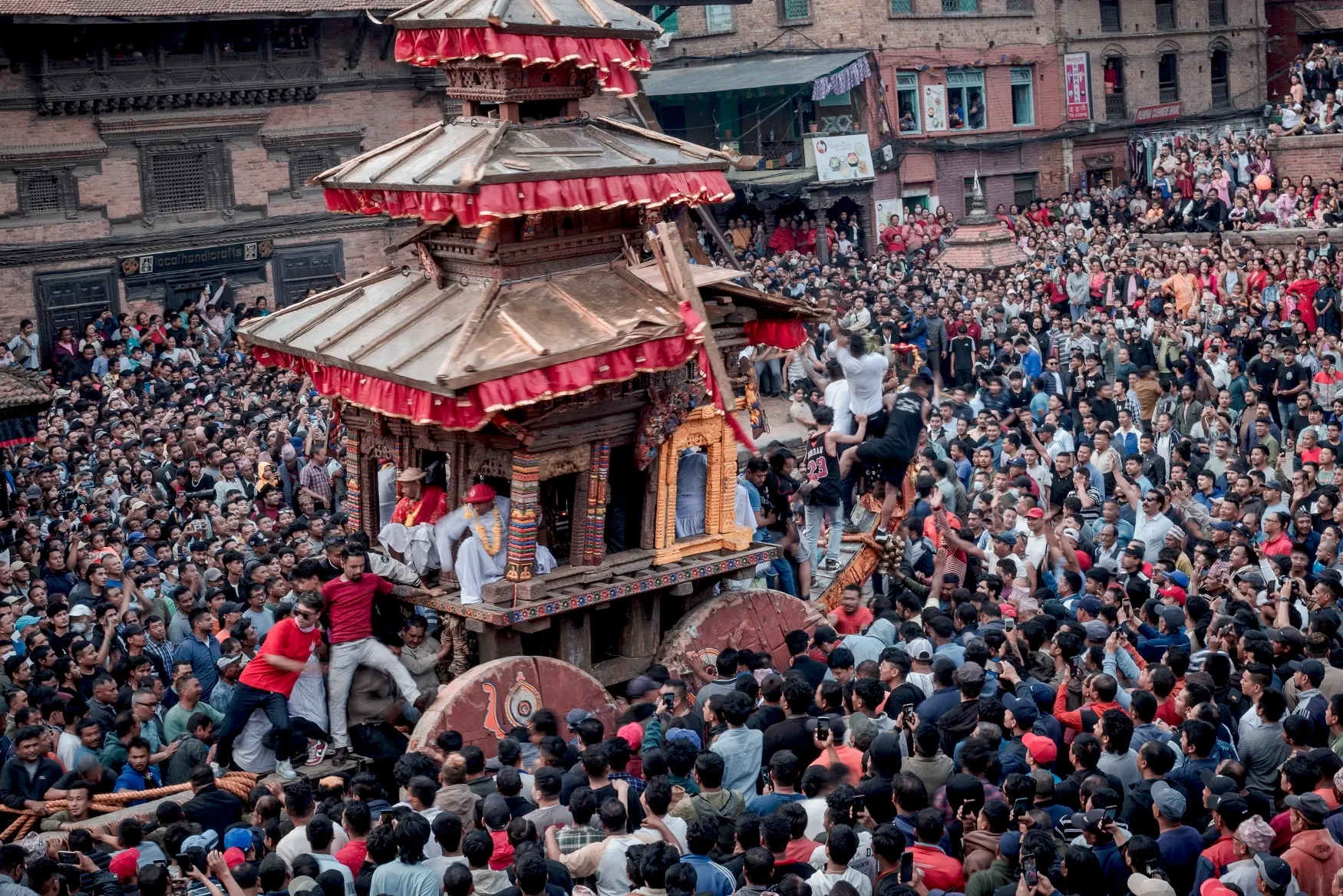
Beyond the Kathmandu Valley, cultural experiences continue throughout the country. Mountain villages preserve unique traditions and ways of life, while communities such as the Sherpa, Tamang, Gurung, Thakali, Newar, Magar, and many others add their own languages, festivals, cuisine, music, dress, and customs to Nepal’s cultural landscape.
For travelers, exploring Nepal’s heritage is more than visiting historic monuments. It is about watching prayer flags move in the mountain wind, hearing temple bells and monastery prayers, sharing a meal with a local family, joining a traditional festival, and discovering the stories and traditions that continue to connect Nepal’s people with their land.
Nature and Wildlife
Nepal is not only about mountains. From the high Himalayas to subtropical forests, rolling hills, rivers, wetlands, and fertile plains, the country offers an incredible variety of landscapes and natural environments within a relatively small area.
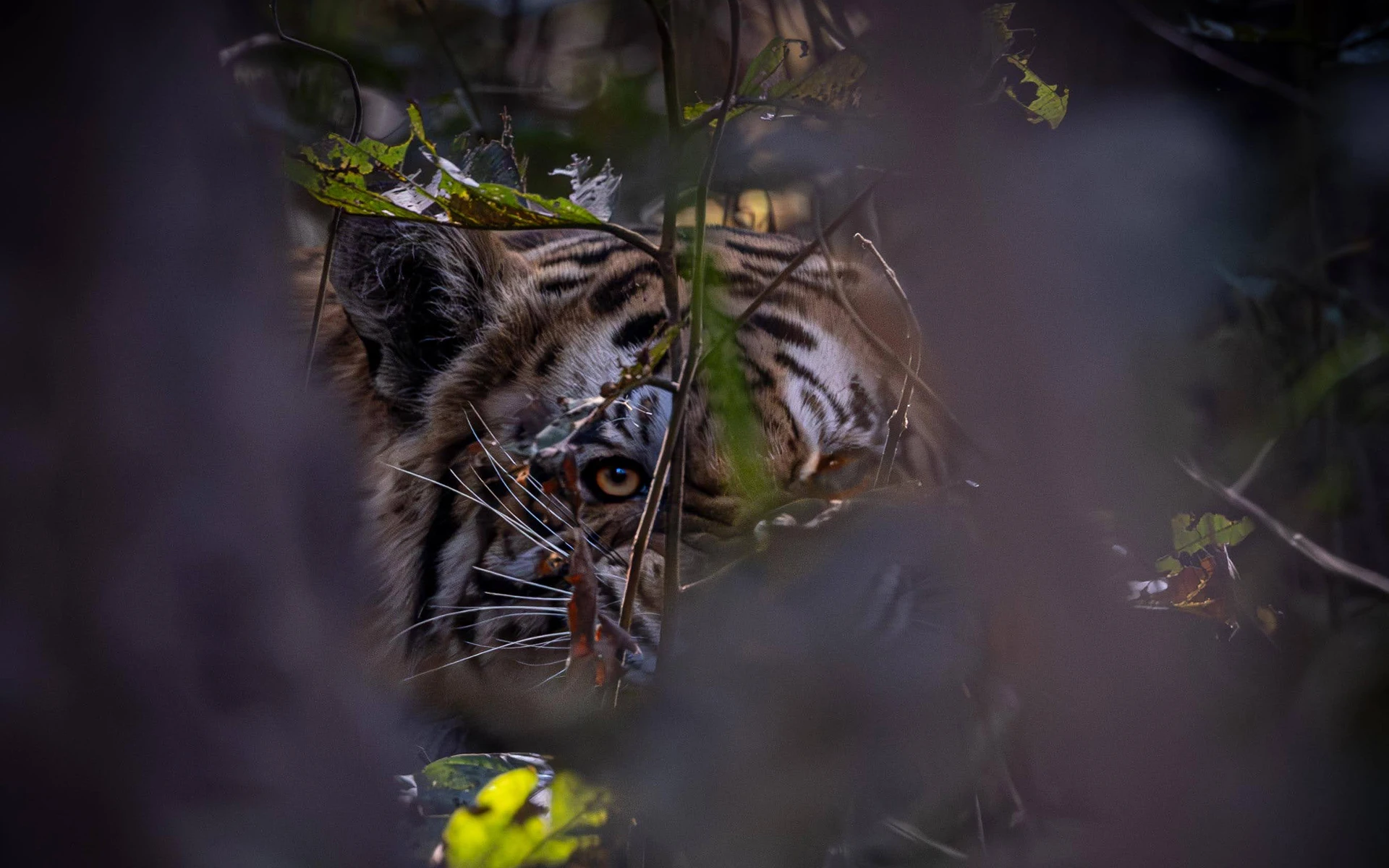
The southern lowlands are home to some of Nepal’s most exciting wildlife experiences. Chitwan National Park and Bardia National Park offer opportunities to explore dense forests, grasslands, and river ecosystems where travelers may encounter one-horned rhinoceros, wild elephants, crocodiles, deer, monkeys, and many species of birds. With a little luck, you may even catch a glimpse of the elusive Bengal tiger.
Further north, Pokhara offers a completely different side of Nepal’s natural beauty. Peaceful lakes, green hills, waterfalls, caves, forests, and dramatic Himalayan views come together around the city. Phewa Lake, Begnas Lake, and viewpoints such as Sarangkot make Pokhara a perfect place to slow down and enjoy Nepal’s landscapes.
Across the country, protected areas and diverse ecosystems provide opportunities for trekking, birdwatching, wildlife safaris, boating, nature walks, and photography. From watching sunrise over the Himalayas to following wildlife tracks through the jungle, Nepal’s natural world offers experiences that go far beyond the famous mountain trails.

Chitwan and Bardia offer jungle and wildlife experiences, while Pokhara is surrounded by lakes, hills and spectacular mountain views.
Village Life & Community Experiences
One of the experiences I personally recommend is spending time beyond Nepal’s main tourist centers. While the famous cities and trekking routes offer incredible sights, some of the most meaningful moments often come from slowing down and visiting the villages where everyday life continues at its own natural rhythm.
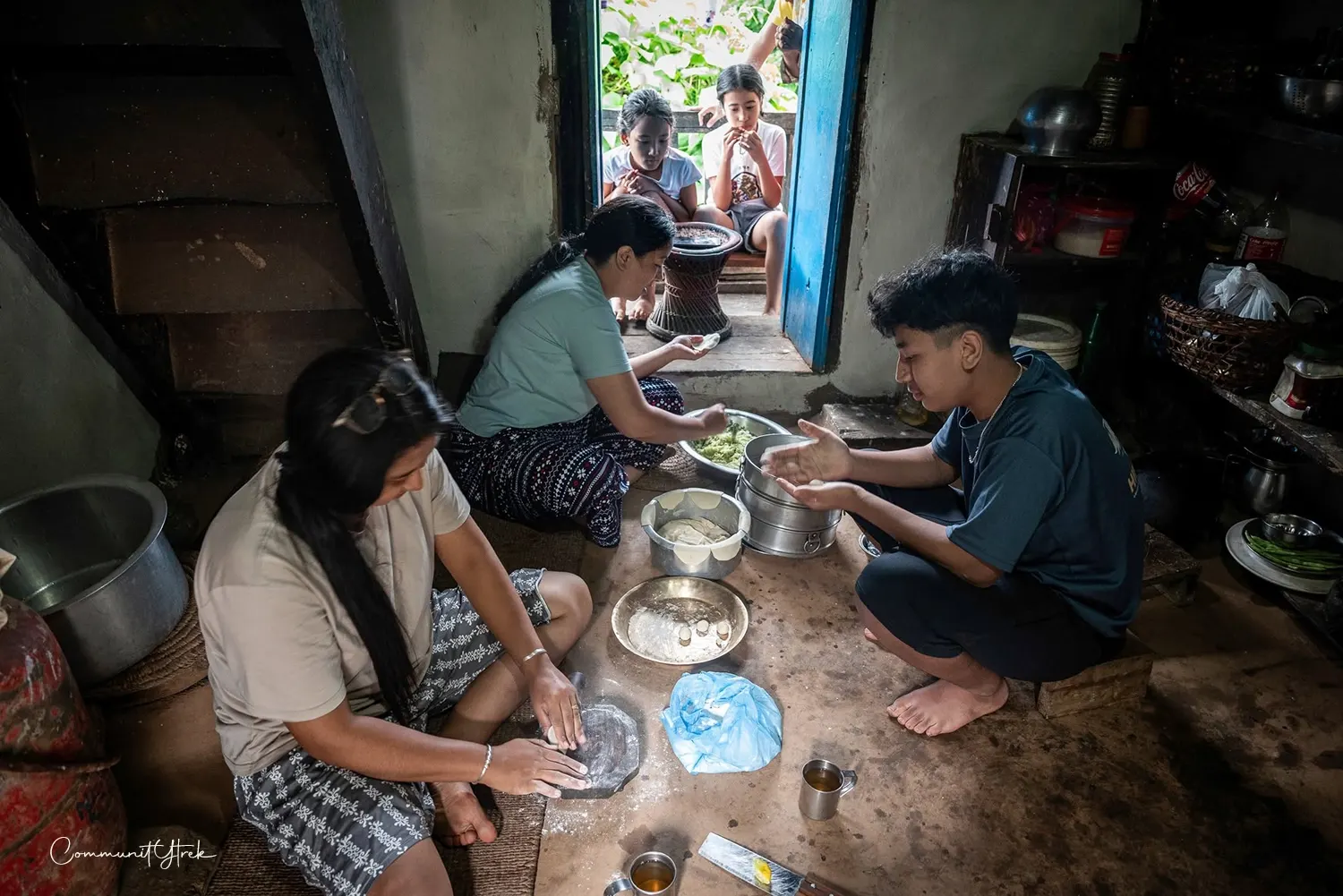
A village stay offers something a hotel cannot provide: a genuine opportunity to meet local people, share stories, taste home-cooked food, and experience the warmth of Nepalese hospitality. You may wake to the sound of village life, walk through terraced fields, visit a local home, or simply sit with a family and watch the day unfold.
These experiences also offer a deeper understanding of Nepal’s diverse communities and traditions. From Himalayan mountain villages to peaceful hill settlements and rural communities in the Terai, each place has its own customs, architecture, food, festivals, and way of life.
For me, village travel is about more than seeing a different side of Nepal—it is about connecting with the people and experiencing the country at a slower, more meaningful pace. Sometimes, the memories you carry home are not of the biggest mountains, but of a warm smile, a shared meal, and a simple conversation in a village along the way.
A village stay can give you something a hotel cannot provide: the opportunity to meet local people, see everyday life and experience Nepal at a slower pace.
Yoga, Meditation & Wellness
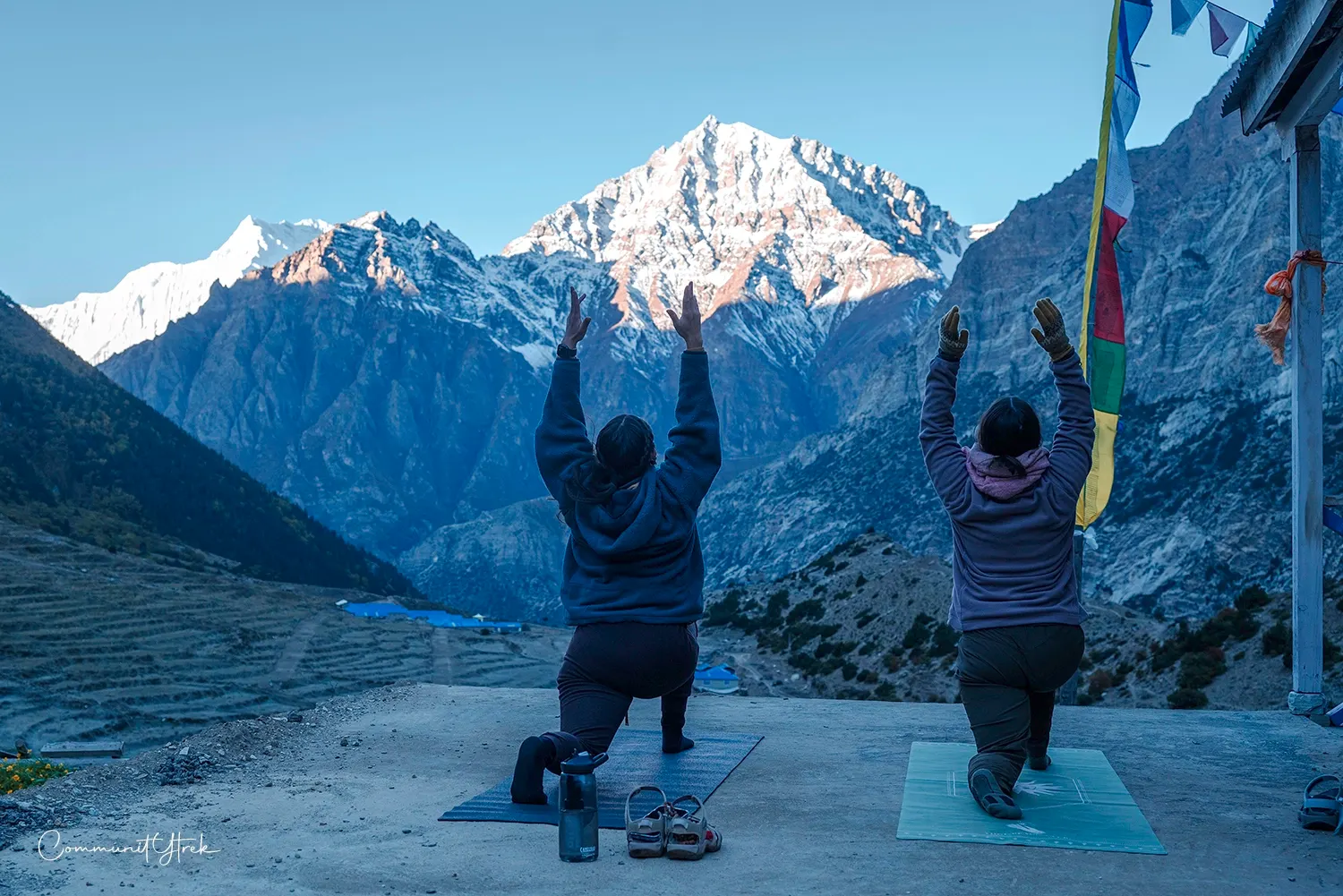
Nepal’s peaceful Himalayan environment makes it a wonderful destination for yoga, meditation, mindfulness, and wellness experiences. Surrounded by mountains, forests, rivers, temples, and quiet valleys, Nepal offers natural spaces where you can slow down, breathe deeply, and reconnect with yourself.
You can combine a cultural journey, trekking adventure, or village stay with time for relaxation and meditation. After walking through the mountains or exploring ancient temples, taking a quiet morning yoga session or spending a few moments in meditation can add a deeper sense of balance to your journey.
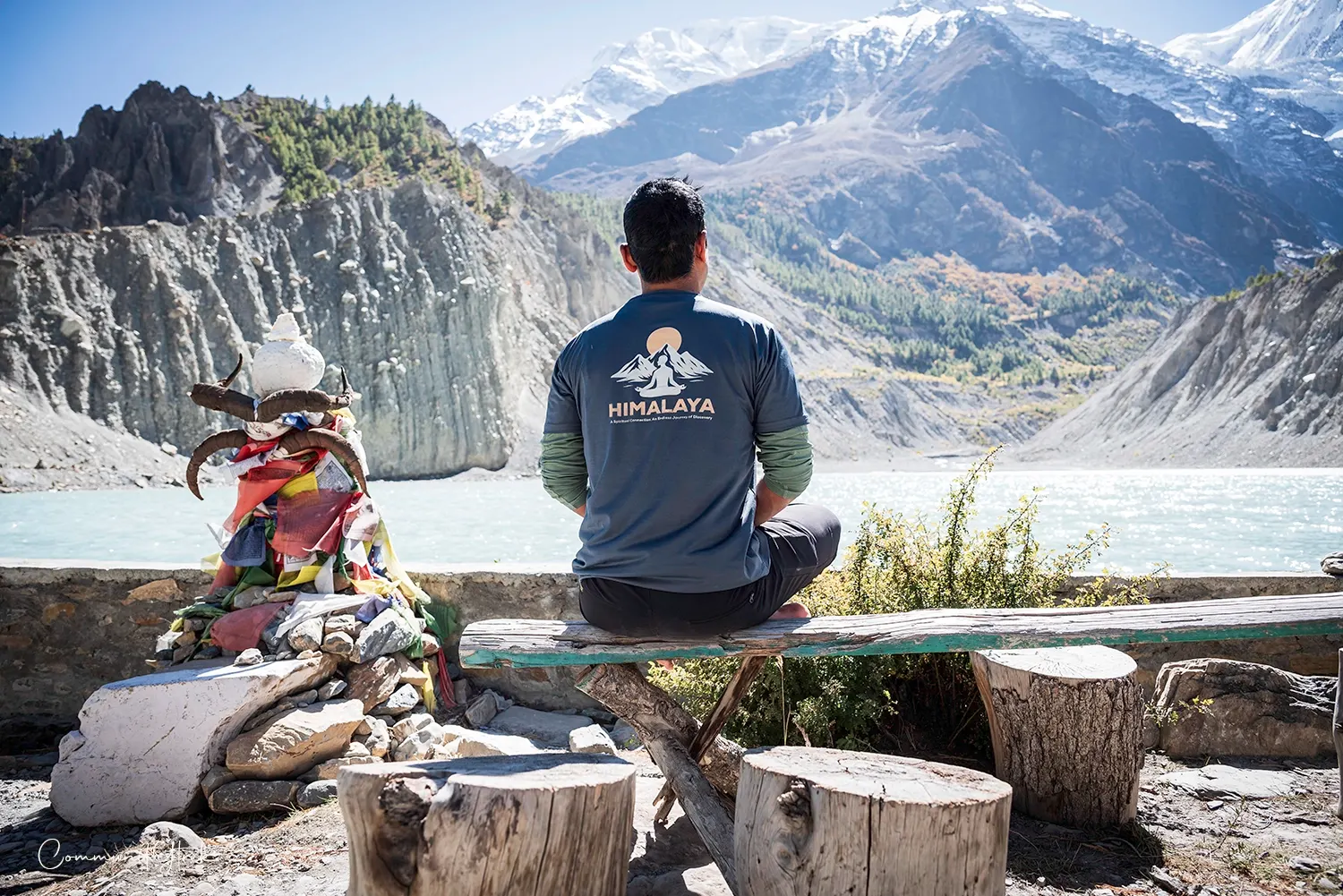
For those seeking a more dedicated wellness experience, Nepal offers yoga retreats, meditation centers, monastery experiences, and peaceful stays in places such as Kathmandu Valley, Pokhara, the Himalayan foothills, and other quiet mountain communities. The combination of nature, spirituality, fresh mountain air, and simple living creates an ideal environment to step away from busy routines.
Wellness in Nepal is not simply about relaxation, it is about slowing down, finding stillness, and experiencing the peaceful connection between nature, culture, and the mind.
When Is the Best Time to Visit Nepal?
Nepal can be explored throughout the year, but each season offers a different experience. Spring and autumn are generally the best seasons for high-altitude trekking, while summer and monsoon open the door to rain-shadow destinations such as Mustang and Dolpo.
| 🌸 Spring March - May | 🌧️ Summer & Monsoon June - August | 🍂 Autumn September - November | ❄️ Winter December - February |
|---|---|---|---|
| Excellent for trekking | Wet in much of Nepal | Peak trekking season | Cold at higher elevations |
| Generally favorable weather | Frequent rain in many regions | Clearer skies after monsoon | Colder mountain conditions |
| Excellent mountain views | Green landscapes and fewer trekkers | Spectacular mountain visibility | Peaceful and less crowded |
| 🌺 Rhododendrons in bloom | Excellent for rain-shadow areas | Ideal for high-altitude routes | Excellent for lower-altitude travel |
| Best for: | Best for: | Best for: | Best for: |
| • Everest Base Camp | • Upper Mustang | • Everest Base Camp | • Kathmandu & cultural tours |
| • Annapurna | • Mustang Jeep Tours | • Annapurna | • Pokhara |
| • Langtang | • Some Dolpo journeys | • Manaslu | • Chitwan & wildlife |
| • Manaslu | • Cultural experiences | • Langtang | • Lower-altitude treks |
| • Mountain photography | • Yoga & meditation | • High-altitude trekking | • Cultural experiences |
| • Cultural tours | • Flexible lower-altitude travel | • Photography | • Selected winter treks |
Which Season Should You Choose?
🌸 Spring - March to May: A beautiful time to trek, with blooming rhododendrons, comfortable conditions, and impressive mountain views.
🌧️ Summer & Monsoon - June to August: Rain affects much of Nepal, but destinations in the Himalayan rain shadow can be excellent. Upper Mustang and parts of Dolpo are particularly attractive alternatives.
🍂 Autumn - September to November: One of Nepal’s most popular trekking seasons. Clear skies, comfortable temperatures, and spectacular Himalayan scenery make this an excellent choice for trekking and photography.
❄️ Winter - December to February: Higher elevations become very cold, but lower-altitude regions remain enjoyable. It is a good season for cultural tours, wildlife, peaceful travel, and selected lower-altitude treks.
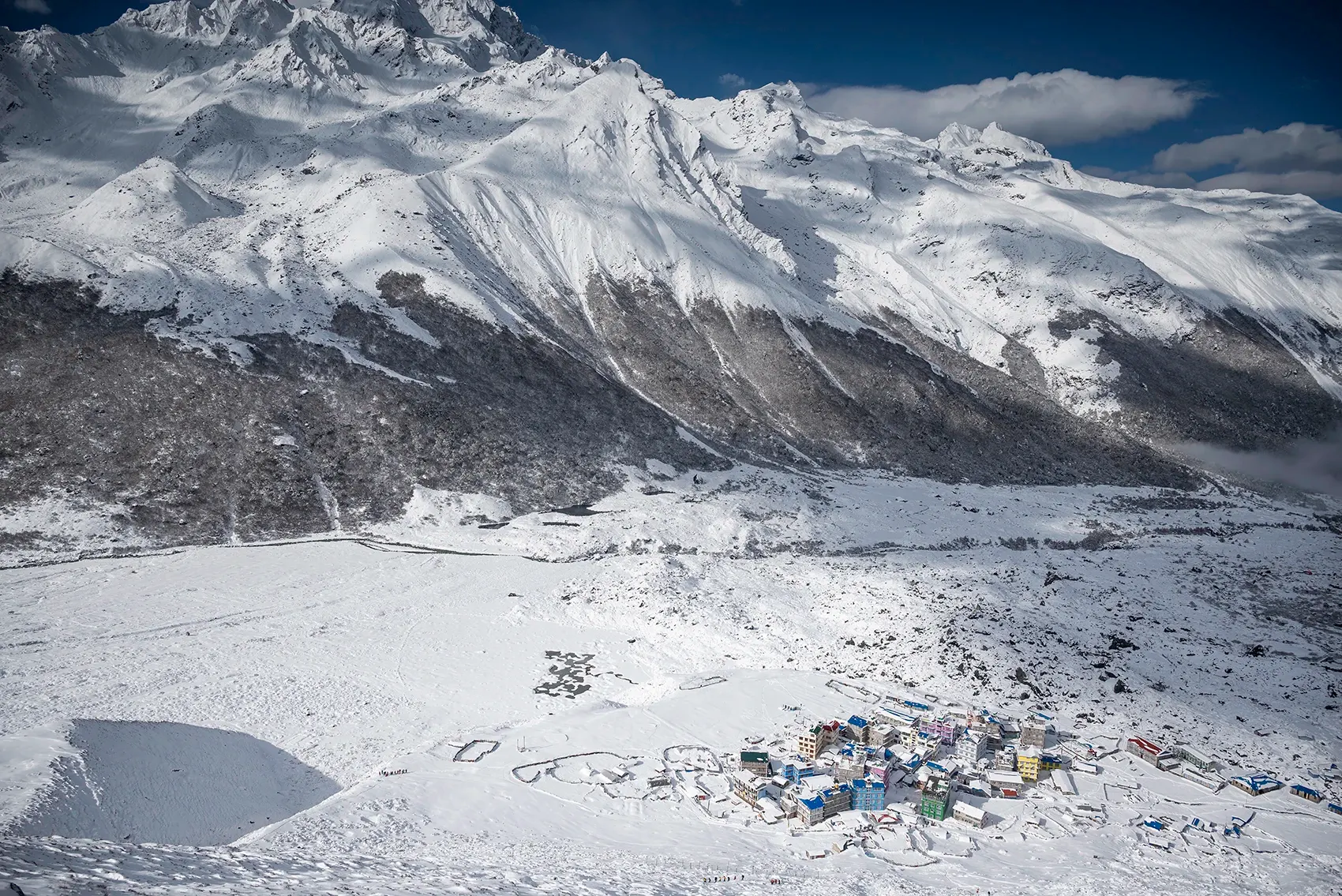
For experienced trekkers who are properly prepared, some high-altitude routes can also be possible depending on weather and conditions.
Nepal Month by Month Travel Guide
| Month | 🌦️ Conditions | 🏔️ Best For | ⭐ Travel Feel |
|---|---|---|---|
| January | Cold in the mountains; clear and pleasant in many lower areas | Kathmandu, Pokhara, Chitwan, lower-altitude treks | Quiet & peaceful |
| February | Gradually warmer, with improving conditions | Cultural tours, wildlife, lower-altitude trekking | Improving |
| March | Mild temperatures, blooming flowers, clear mountain views | Trekking, nature, photography | Excellen |
| April | Warm days and generally stable mountain weather | Himalayan trekking, mountain photography | Excellent |
| May | Warm in lower regions; weather becomes less predictable later | Trekking, mountain travel early in the month | Good → Changing |
| June | Monsoon begins across much of Nepal | Mustang and rain-shadow destinations | Wet / 🏔️ Mustang |
| July | Monsoon season in most trekking regions | Upper Mustang, selected rain-shadow areas | Wet / Mustang |
| August | Similar to July, with frequent rain in many areas | Upper Mustang, remote rain-shadow destinations | Wet / Alternative routes |
| September | Monsoon gradually retreats and conditions improve | Trekking, cultural tours, mountain travel | Improving |
| October | Clear skies, comfortable temperatures and excellent visibility | Trekking, Himalayan travel, photography | Peak Season |
| November | Clear and dry conditions; cooler toward the end of the month | Trekking, mountain views, cultural tours | Excellent |
| December | Cold at higher elevations but generally pleasant in lower areas | Cultural tours, wildlife, lower-altitude trekking | Cool & clear |
Quick Guide
| 🏔️ Best for Trekking | 🌸 Best for Nature | 🏛️ Best for Culture | 🐅 Best for Wildlife | 🏜️ Best Monsoon Escape |
|---|---|---|---|---|
| Mar – May | Mar – Apr | Oct – Apr | Oct – Mar | Jun – Aug |
| Sep - Nov | Sep - Nov | Sep - May | Sep - May | Upper Mustang |
Tip: Nepal can be traveled year-round, but the best month depends on where you want to go. March–May and September–November are generally the strongest periods for Himalayan trekking, while June–August is an ideal time to consider rain-shadow destinations such as Upper Mustang.
How Many Days Do You Need in Nepal?
Your ideal Nepal itinerary depends on your interests, travel style, and how much time you want to spend in each place. Instead of rushing from destination to destination, allow enough time to enjoy the landscapes, culture, food, and people along the way.
| ⏱️ Trip Length | 🗺️ Suggested Experience | ✨Best For |
|---|---|---|
| 5 Days | Kathmandu + Pokhara | Culture, 🏔️ Mountains & 🌿 nature |
| 7 Days | Kathmandu + Pokhara + Chitwan or another short experience | Culture, nature & wildlife |
| 10 Days | A balanced combination of Kathmandu, Pokhara, nature and adventure | First-time visitors |
| 12–14 Days | Add a short trek or spend more time exploring local culture and communities | Trekking + culture |
| 16–20 Days | Take on a longer Himalayan journey such as Everest Base Camp, Annapurna or Manaslu | Serious trekking & adventure |
| 3 Weeks+ | Combine trekking with villages, wildlife, culture, wellness or remote Himalayan destinations | Deep Nepal experience |
Choose Your Pace
3-7 Days: Perfect for a short introduction to Nepal. Combine the historic Kathmandu Valley with the natural beauty of Pokhara, and add Chitwan if your schedule allows.
8-12 Days: A great balance for travelers who want to experience Nepal beyond the main cities. You can combine cultural heritage, nature, wildlife, village experiences, and a short trek.
12- 16 Days: Gives you enough time for a more immersive Himalayan adventure, including routes such as Everest Base Camp, Annapurna, or Manaslu, without making every day feel rushed.
Three Weeks or More: Ideal for travelers who want to slow down and combine several experiences, long-distance trekking, mountain villages, cultural discoveries, wildlife, wellness, or remote Himalayan destinations.
My Advice: Don’t try to fit too much into a short holiday. It is better to properly experience three places than spend your entire trip traveling between six or seven. In Nepal, the journey itself is part of the experience.
Best Places to Visit in Nepal
Nepal may be famous for the Himalayas, but its experiences go far beyond the mountains. From ancient cities and peaceful lakes to jungle safaris, remote valleys, and high-altitude trails, each region offers a different reason to explore.
| 📍 Destination | 🌿 What to Experience | ⭐ Best For |
|---|---|---|
| Kathmandu Valley | Boudhanath, Pashupatinath, Swayambhunath, Patan, Bhaktapur, traditional neighborhoods & monasteries | Culture, heritage & spirituality |
| Pokhara | Phewa Lake, Sarangkot, World Peace Pagoda, mountain views, villages & adventure activities | Mountains, nature & relaxation |
| Chitwan | Jungle safaris, wildlife, birdwatching, Tharu culture & village experiences | Wildlife & nature |
| Everest Region | Lukla, Namche Bazaar, Tengboche, Dingboche, Lobuche, Everest Base Camp & Kala Patthar | Himalayan adventure |
| Annapurna Region | Poon Hill, Annapurna Base Camp, Annapurna Circuit & diverse mountain landscapes | Trekking & scenery |
| Langtang | Himalayan valleys, Tamang villages, forests, monasteries & mountain views | Shorter Himalayan treks |
| Manaslu | Remote mountain landscapes, traditional villages, high passes & cultural diversity | Remote trekking |
| Mustang | Dry landscapes, ancient settlements, caves, monasteries & Tibetan-influenced culture | Culture & unique landscapes |
| Dolpo | Remote valleys, wilderness, traditional villages & dramatic Himalayan scenery | Wilderness & exploration |
Best Treks in Nepal
There is no single best trek for everyone. The right route depends on your experience, available time, fitness, interests, and the kind of landscape or culture you want to experience.
| 🥾 Trek | ⭐ Best For | 🏔️ Experience |
|---|---|---|
| Everest Base Camp Trek | Classic Himalayan adventure | Iconic Everest views, Sherpa culture & legendary trails |
| Annapurna Base Camp Trek | A rewarding Himalayan journey | Dramatic mountain scenery with a manageable trekking duration |
| Annapurna Circuit Trek | Variety & adventure | Diverse landscapes, villages & high mountain passes |
| Ghorepani Poon Hill Trek | Beginners & short holidays | Sunrise views, rhododendron forests & mountain scenery |
| Langtang Valley Trek | A Himalayan experience near Kathmandu | Mountain landscapes, Tamang culture & peaceful valleys |
| Manaslu Circuit Trek | Remote & culturally rich trekking | Traditional villages, dramatic scenery & Larke La Pass |
| Gokyo Lakes Trek | Lakes & alternative Everest scenery | Turquoise glacial lakes, Gokyo Ri & panoramic Himalayan views |
| Everest Three Pass Trek | Experienced trekkers | Challenging high passes, remote valleys & spectacular Everest-region scenery |
| Upper Mustang Trek | Culture & unusual landscapes | Tibetan-influenced traditions, ancient settlements & dramatic desert-like terrain |
| Tsum Valley Trek | Culture & peaceful Himalayan landscapes | Sacred valleys, monasteries, traditional villages & mountain scenery |
🧭 Choose Your Nepal Experience
| If You Want… | Consider… |
|---|---|
| Ancient culture & heritage | Kathmandu Valley |
| Lakes & mountain views | Pokhara |
| Wildlife & jungle | Chitwan |
| Iconic Everest scenery | Everest Base Camp |
| Short & scenic trekking | Ghorepani Poon Hill |
| Diverse landscapes | Annapurna Circuit |
| A trek close to Kathmandu | Langtang Valley |
| Remote mountain adventure | Manaslu Circuit |
| Himalayan lakes | Gokyo Lakes |
| High-altitude challenge | Everest Three Pass Trek |
| Tibetan-influenced culture | Upper Mustang |
| Sacred Himalayan culture | Tsum Valley |
| Remote wilderness | Dolpo |
Travel Tip: Nepal is best experienced by choosing destinations that match your time and interests rather than trying to see everything in one trip. Whether you want culture, wildlife, mountains, villages, or a challenging trek, there is a route and region waiting for you.
💰 How Much Does a Nepal Trip Cost?
The cost of traveling in Nepal can vary greatly depending on your travel style, destinations, duration, and the type of experiences you choose. Nepal can be surprisingly affordable for budget travelers, while private transportation, luxury accommodation, customized tours, and premium trekking services can create a more comfortable and exclusive experience.
What Should You Budget For?
| 💳 Travel Expense | 📝 What It May Include |
|---|---|
| 🏨 Accommodation | Hotels, guesthouses, mountain lodges |
| 🍛 Food & Drinks | Local restaurants, cafés, hotel meals & trekking meals |
| 🚙 Transportation | Private vehicles, tourist buses & local transport |
| ✈️ Domestic Flights | Flights to destinations such as Lukla and Pokhara |
| 🎫 Permits & Fees | Trekking permits, conservation fees & national park permits |
| 🧑🏫 Guides | Local trekking or tour guides |
| 🎒 Porters | Porter services for trekking |
| 🏛️ Entrance Fees | Heritage sites, temples, museums & attractions |
| 🏄 Activities | Safaris, rafting, adventure activities & other experiences |
| 🛡️ Travel Insurance | Medical, emergency evacuation & trip protection |
| 🛍️ Personal Expenses | Shopping, drinks, tips, souvenirs & other personal costs |
🪙 Choose Your Travel Style
| 🪙 Budget Travel | 💼 Comfortable Travel | ✨ Premium Travel |
|---|---|---|
| Simple hotels & guesthouses | Comfortable hotels | Higher-category hotels |
| Local restaurants | Mix of local & quality restaurants | Premium dining options |
| Public transportation | Private transportation where useful | Private vehicles throughout |
| Basic experiences | Selected activities & experiences | Customized experiences |
| Best for independent travelers | Best balance of comfort & value | Best for personalized travel |
| Travel economically | Travel comfortably | Travel with extra convenience |
🥾 What About Trekking Costs?
Trekking costs can vary significantly depending on the route, number of days, altitude, permits, accommodation, transportation, guide and porter services, and level of comfort.
A short trek such as Ghorepani Poon Hill generally requires a smaller budget than a longer and more remote journey such as Manaslu Circuit, Upper Mustang, Kanchenjunga, or Everest Base Camp. Routes involving domestic flights, restricted-area permits, higher-altitude accommodation, or additional support naturally cost more.
My Advice: When planning your Nepal budget, don’t look only at the daily price. Consider what is included, accommodation, meals, transportation, permits, guide, porter, and emergency support, so you can compare trips fairly and avoid unexpected costs.
Nepal can be affordable, comfortable, or luxurious. The best budget is the one that matches the experience you want to have.
Nepal Visa and Entry
Most travelers should check the latest visa and entry requirements before departure.
Depending on nationality and current regulations, travelers may be able to obtain a tourist visa on arrival or arrange a visa in advance.
Before traveling, check the latest official Nepal immigration information because visa fees and requirements can change.
Also make sure your passport has sufficient validity and blank pages as required.
Getting Around Nepal
Traveling around Nepal is part of the experience. From comfortable private vehicles and tourist buses to scenic domestic flights and rugged mountain jeeps, the best way to travel depends on your destination, available time, comfort level, and the kind of adventure you are looking for.
| 🚗 Transport | ⭐ Best For | 📝 What to Expect |
|---|---|---|
| 🚙 Private Vehicle | Comfort & flexibility | Ideal for families, groups, and travelers who want flexible stops and a more personalized journey |
| 🚌 Tourist Bus | Major tourist destinations | A practical and generally affordable option for routes such as Kathmandu–Pokhara and other popular destinations |
| ✈️ Domestic Flights | Saving time & reaching remote areas | Useful for destinations such as Lukla and Pokhara; mountain flights can offer spectacular scenery |
| 🚙 Jeep | Remote destinations | Particularly useful where roads are rough, limited, or not served by regular buses |
| 🥾 Walking & Trekking | Himalayan regions | Many mountain destinations can only be reached on foot, making the journey part of the adventure |
Where Should You Stay in Nepal?
Nepal offers accommodation for almost every travel style and budget. From comfortable luxury hotels in the cities to simple mountain teahouses and welcoming family homestays, where you stay can become an important part of your Nepal experience.
| 🏡 Accommodation | ⭐ Best For | 🌿 What to Expect |
|---|---|---|
| ✨ Luxury Hotels | Comfort & premium travel | High-quality rooms, excellent dining, wellness facilities & personalized services |
| 🏨 Boutique Hotels | Style & character | Unique design, local touches & a more personal atmosphere |
| 🛏️ Standard Hotels | Comfortable everyday travel | Reliable rooms and essential facilities at reasonable prices |
| 🏠 Guesthouses | Budget & independent travel | Simple, friendly accommodation with a local feel |
| 🍵 Teahouses | Trekking | Basic rooms, shared facilities, local meals & a warm mountain atmosphere |
| 🏔️ Mountain Lodges | Comfortable trekking | Better facilities and beautiful locations along selected trekking routes |
| 🌱 Eco Lodges | Nature & responsible travel | Peaceful surroundings with a focus on local communities and the environment |
| 🏡 Homestays | Cultural immersion | Stay with local families and experience everyday Nepalese life |
🥾 Staying in the Mountains
When trekking, accommodation generally becomes simpler as you travel deeper into the mountains. Facilities can vary greatly depending on the route and altitude. In remote areas, rooms may be basic and bathrooms or hot showers may be shared.
But a good mountain lodge is not always about luxury.
After a long day on the trail, a warm meal, a comfortable bed, a hot cup of tea, a spectacular mountain view, and a friendly local welcome can mean far more than a five-star room.
Stay for the Experience
Accommodation in Nepal can also be a way to connect with the country. A boutique hotel can introduce you to local architecture, a teahouse can bring you closer to the trekking community, and a homestay can offer a genuine glimpse into village life.
What Food Can You Expect in Nepal?
Nepalese food is diverse, flavorful, comforting, and closely connected to the country’s different communities and landscapes. From traditional home-style meals in the hills to Tibetan-influenced dishes in the Himalayas and rich Newari cuisine in the Kathmandu Valley, food is an important part of the Nepal travel experience.
| 🍽️ Food | 🌿 What It Is | ⭐ Why Try It? |
|---|---|---|
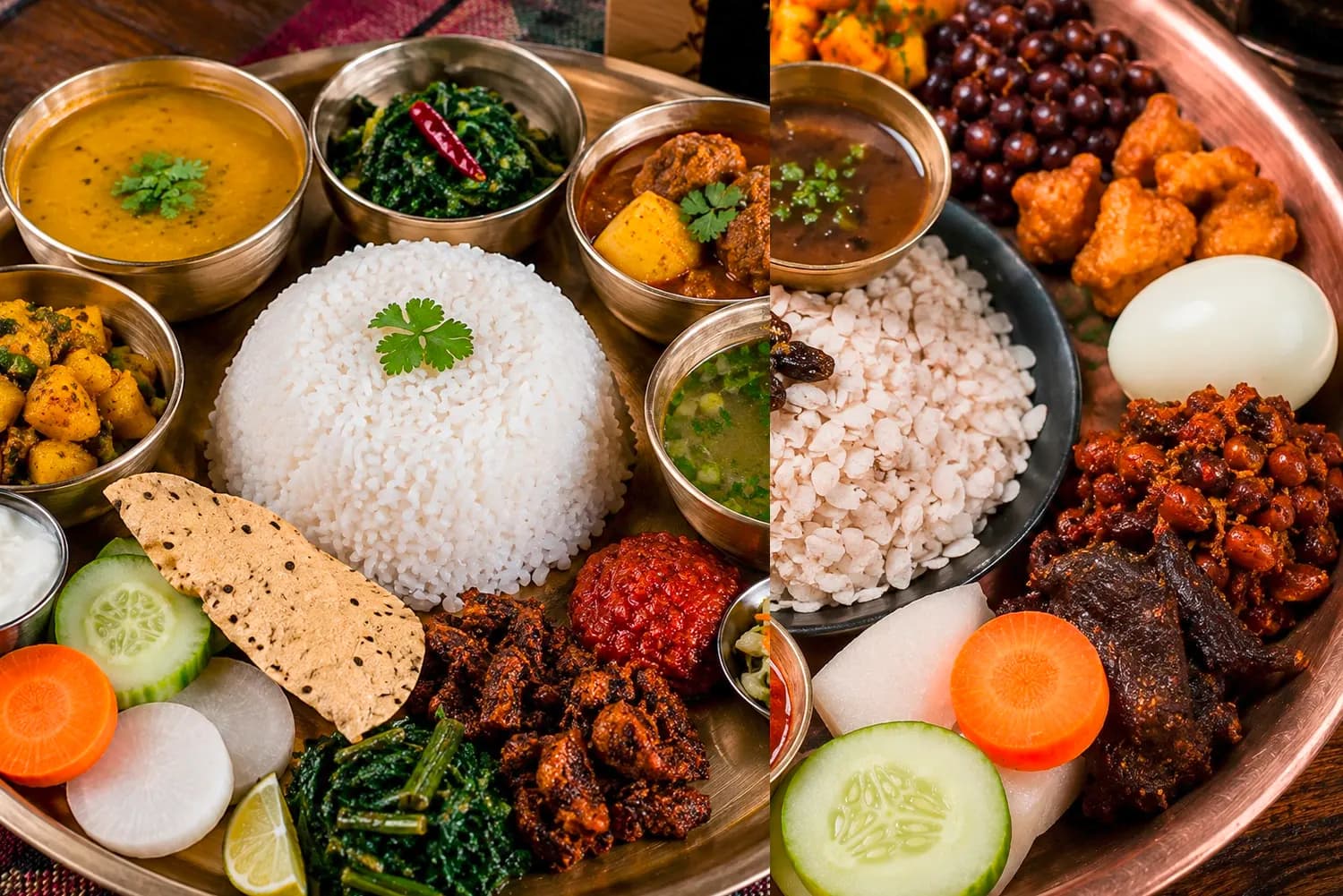
| 🍚 Dal Bhat | Rice served with lentil soup, vegetables, curry, pickle and other sides | A nourishing everyday meal and a favorite among trekkers |
| 🥟 Momo | Nepalese-style steamed or fried dumplings filled with vegetables or meat | One of Nepal’s most popular and beloved foods |
| 🍜 Thukpa | Warm noodle soup commonly prepared with vegetables, meat or eggs | Especially comforting in the cool Himalayan regions |
| 🥘 Newari Cuisine | A rich collection of traditional dishes from the Newar community | A must-try cultural and culinary experience in Kathmandu Valley |
| 🌾 Dhido | Traditional thick porridge made from buckwheat, millet or other grains, usually served with vegetables and curry | A hearty taste of traditional Nepali mountain food |
| 🍩 Sel Roti | Traditional ring-shaped rice bread, often enjoyed during festivals and celebrations | A delicious introduction to Nepalese traditions |
| 🍯 Yomari | Steamed rice-flour dumpling traditionally filled with molasses and sesame or other sweet fillings | A special Newari delicacy with cultural significance |
🥬 Vegetarian & Vegan Food
Vegetarian food is widely available throughout Nepal, particularly in Kathmandu, Pokhara, and major trekking areas. Many restaurants offer vegetable curries, rice, noodles, soups, pasta, Tibetan breads, and other plant-based options. Vegan travelers can also find suitable choices, although options may become more limited in remote mountain villages.
🥾 Food While Trekking
As you travel higher into the mountains, food choices generally become simpler, but the major trekking routes still offer a surprisingly good variety. Depending on the lodge and location, you may find dal bhat, noodles, soups, momos, pasta, potatoes, eggs, pancakes, porridge, and hot drinks.
After a long day of walking, however, a hot bowl of dal bhat or thukpa can taste better than any luxury meal.
Is Nepal Safe for Travelers?
Nepal is generally a welcoming destination, but responsible travel still requires preparation.
For trekking, the most important safety considerations include:
- Altitude
- Weather
- Trail conditions
- Transportation
- Hydration
- Fitness
- Travel insurance
- Emergency planning
Altitude should always be taken seriously.
If you develop symptoms of altitude sickness, inform your guide immediately and follow proper acclimatization and descent procedures.
A good guide should never pressure you to continue simply because you have already paid for the trek.
Safety should always come before the itinerary.
What Should You Pack for Nepal?
🎒 Nepal Packing Guide
Your packing list depends on your itinerary, season, destination, and altitude. Use this quick guide to prepare for your journey.
| 🧳 For a Normal Nepal Holiday | 🏔️ For Trekking | ⭐ Why You Need It |
|---|---|---|
| 👟 Comfortable shoes | 🥾 Good trekking shoes | Walking comfort & trail grip |
| 👕 Light clothing | 🧦 Trekking socks | Comfort and warmth |
| 🧥 Warm layer | 🧤 Thermal layers | Cold-weather protection |
| 🌧️ Rain jacket | 🧥 Down jacket | Rain & high-altitude cold |
| ☀️ Sunscreen | 🌧️ Waterproof jacket | Sun & weather protection |
| 🕶️ Sunglasses | 🧤 Gloves | Protection from cold |
| 💊 Personal medicines | 🧢 Warm hat | Warmth at higher elevations |
| 💧 Reusable water bottle | 🔦 Headlamp | Early starts & nighttime use |
| 🔋 Power bank | 🥾 Trekking poles | Balance and trail support |
| 🛏️ Sleeping bag* | Extra warmth when required | |
| 💧 Water purification | Safe drinking water | |
| 🩹 First-aid essentials | Basic trail emergencies |
Sleeping bags may be required depending on the trekking route, season, and accommodation.
Pack smart, travel light, and prepare for changing mountain conditions.
Nepal for Different Types of Travelers
One of the best things about Nepal is its versatility. You do not need to be an experienced trekker to enjoy the country. Whether you are traveling alone, with a partner, with family, for photography, wellness, culture, or adventure, Nepal offers experiences that can be adapted to different interests, ages, and travel styles.
| 👤 Traveler Type | 🌿 What Nepal Offers | ⭐ Ideal Experiences |
|---|---|---|
| 🎒 Solo Travelers | Freedom, cultural discovery and opportunities to meet people | Guided treks, village stays, cultural tours & independent exploration |
| ❤️ Couples | Mountains, nature, culture and comfortable stays | Pokhara, boutique hotels, scenic experiences & private tours |
| 👨👩👧👦 Families | Easy cultural and nature experiences with manageable activities | Kathmandu, Pokhara, Chitwan & short treks |
| 🌿 Seniors | Comfortable travel with a flexible pace | Private vehicles, quality hotels, gentle walks & cultural tours |
| 📷 Photographers | Extraordinary landscapes, people and cultural moments | Himalayas, villages, monasteries, festivals & daily life |
| 🧘 Yoga & Wellness Travelers | Peaceful surroundings for relaxation and mindfulness | Yoga retreats, meditation, village stays & Himalayan journeys |
| 🥾 Adventure Travelers | Challenging trails, high passes and remote landscapes | Everest, Manaslu, high passes, remote valleys & long-distance treks |
Nepal Culture & Etiquette
A little cultural awareness can make your experience in Nepal more respectful and meaningful. Nepal is home to diverse religious traditions and communities, and many places you visit are not simply tourist attractions—they are living cultural and spiritual spaces.
| 🙏 Do | 🚫 Remember |
|---|---|
| Dress respectfully at temples and monasteries | Avoid inappropriate clothing at sacred sites |
| Ask before photographing people | Do not assume everyone wants to be photographed |
| Follow local rules and instructions | Do not enter restricted areas |
| Remove your shoes where required | Check before entering religious spaces |
| Walk around Buddhist stupas in the appropriate direction | Avoid ignoring local religious customs |
| Respect ceremonies and prayer activities | Do not interrupt religious practices |
| Greet people with a friendly “Namaste” | Avoid treating cultural traditions simply as photo opportunities |
A simple “Namaste” with a smile can be a wonderful way to begin a conversation.
Remember that you are not simply visiting a monument or tourist attraction. You are entering someone's home, community, culture, or sacred place.
🌱Responsible & Community-Based Travel
At Community Trek, we believe travel should create connections between visitors and local communities rather than simply take travelers from one tourist attraction to another.
When possible, we encourage travelers to make choices that support the people and places they visit.
| 🌱 Travel Responsibly | ❤️ Why It Matters |
|---|---|
| 🏡 Stay in locally owned accommodation | Keeps tourism income within communities |
| 🍛 Eat local food | Supports local farmers, cooks and businesses |
| 🧑🏫 Hire local guides and porters | Creates meaningful local employment |
| 🛍️ Support local businesses | Helps families and small enterprises benefit from tourism |
| 🙏 Respect local traditions | Protects cultural identity and dignity |
| 💧 Carry a reusable water bottle | Helps reduce plastic waste |
| ♻️ Avoid unnecessary waste | Protects Nepal's natural environment |
| 🤝 Spend time with local communities | Creates genuine cultural exchange |
Travel That Gives Back
A journey becomes more meaningful when the people you meet also benefit from tourism. Choosing local accommodation, eating local food, hiring local guides and supporting community businesses can help create opportunities for families while giving travelers a deeper and more authentic understanding of Nepal.
Responsible travel is not about traveling perfectly. It is about traveling thoughtfully, respecting the mountains, cultures, communities, and people who make Nepal what it is.
Experience Nepal Beyond the Main Tourist Routes
If you have already visited Nepal's major destinations, consider going deeper.
You might explore:
- Remote villages
- Community homestays
- Local festivals
- Monasteries
- Mountain photography
- Yoga and meditation
- Mustang
- Manaslu
- Dolpo
- Tsum Valley
- Less-traveled trekking routes
Sometimes the most memorable part of a Nepal journey is not reaching a famous destination.
It is a conversation with a local family, a quiet monastery, a mountain sunrise or an unexpected village along the trail.
Customized Nepal Journey
Don't feel that you have to follow a standard itinerary.
Tell us:
- How many days you have
- What interests you
- Your preferred travel style
- Your fitness level
- Your budget
- Whether you want trekking, culture, wildlife, photography, yoga or relaxation
We can build the journey around you.
Frequently Asked Questions About Nepal
Is Nepal good for a first-time traveler?
Yes. Nepal offers a wide range of experiences, from comfortable city and cultural holidays to challenging Himalayan adventures.
What is the best month to visit Nepal?
October and November are traditionally excellent for many trekking and sightseeing trips, while March and April are also popular. The best month depends on your destination.
How many days are enough for Nepal?
Seven to ten days can provide a good introduction. Two weeks or more gives you much more flexibility.
Is Nepal expensive?
Nepal can be affordable compared with many international destinations, but the cost depends on your accommodation, transportation and activities.
Is Everest Base Camp suitable for beginners?
Many first-time trekkers successfully complete EBC, but proper preparation, acclimatization and a suitable itinerary are essential.
Do I need a guide for trekking in Nepal?
Requirements can vary by trekking area and current government regulations. Travelers should check the latest rules for their specific route before departure.
What is the best trek in Nepal?
There is no universal answer. Everest Base Camp is ideal for the classic Everest experience, Annapurna offers variety, Manaslu provides a more remote journey, and shorter routes such as Poon Hill are suitable for travelers with less time.
Can I combine trekking with a holiday?
Absolutely. A Nepal trip can combine Kathmandu, Pokhara, Chitwan, trekking, village experiences, yoga, meditation, photography and cultural activities.
Plan Your Nepal Journey With Community Trek
Nepal is not a destination that should be rushed.
Whether you have five days or five weeks, the goal should be to experience the country in a way that feels right for you.
At Community Trek, we create customized Nepal experiences based on your time, interests and travel style.
Our programs include:
- Trekking
- Tours
- Himalayan adventures
- Cultural journeys
- Village experiences
- Photography tours
- Wildlife experiences
- Yoga and meditation journeys
- Customized private trips
- Community-based travel
We believe travel is about more than seeing places.
It is about exploring, connecting with people and experiencing something you will remember long after you return home.
Ready to Explore Nepal?
Tell us your travel dates, number of travelers, interests and the kind of experience you are looking for.
We will help you create a Nepal journey around your time and interests.
Community Trek
Explore, Connect & Experience