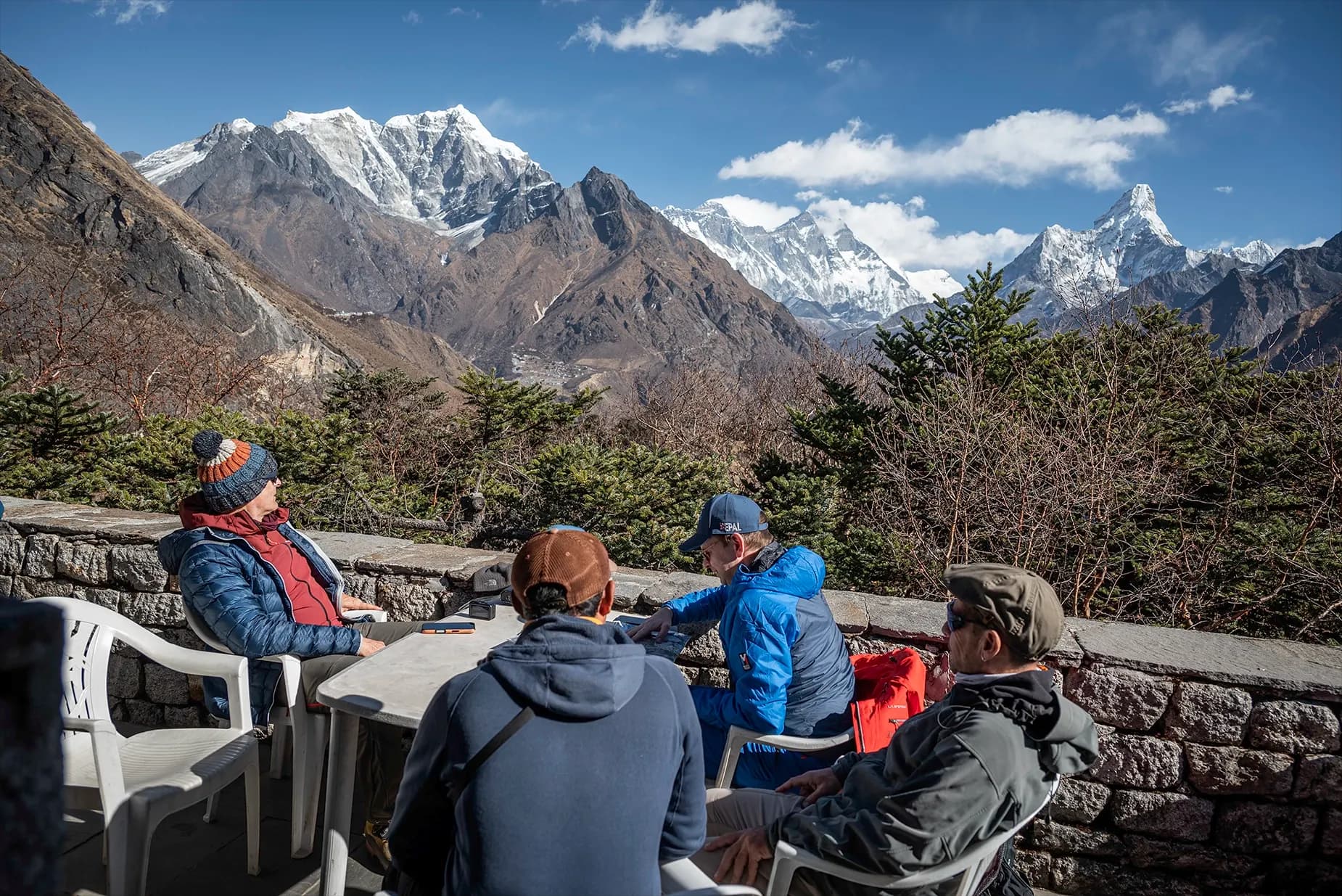
Most people imagine the Himalayas under a deep blue sky, surrounded by crisp mountain air and freshly fallen snow. That is the classic picture of Nepal and for good reason. Spring and autumn are the most popular trekking seasons, offering generally stable weather and spectacular mountain views.
But there is another side of the Himalayas that fewer travelers experience.
When summer arrives in Nepal, the monsoon transforms the lower hills into a world of rain, mist, waterfalls and brilliant green landscapes. Many travelers assume the entire Himalayan region becomes unsuitable for travel. Yet the geography of the Annapurna region tells a different story.
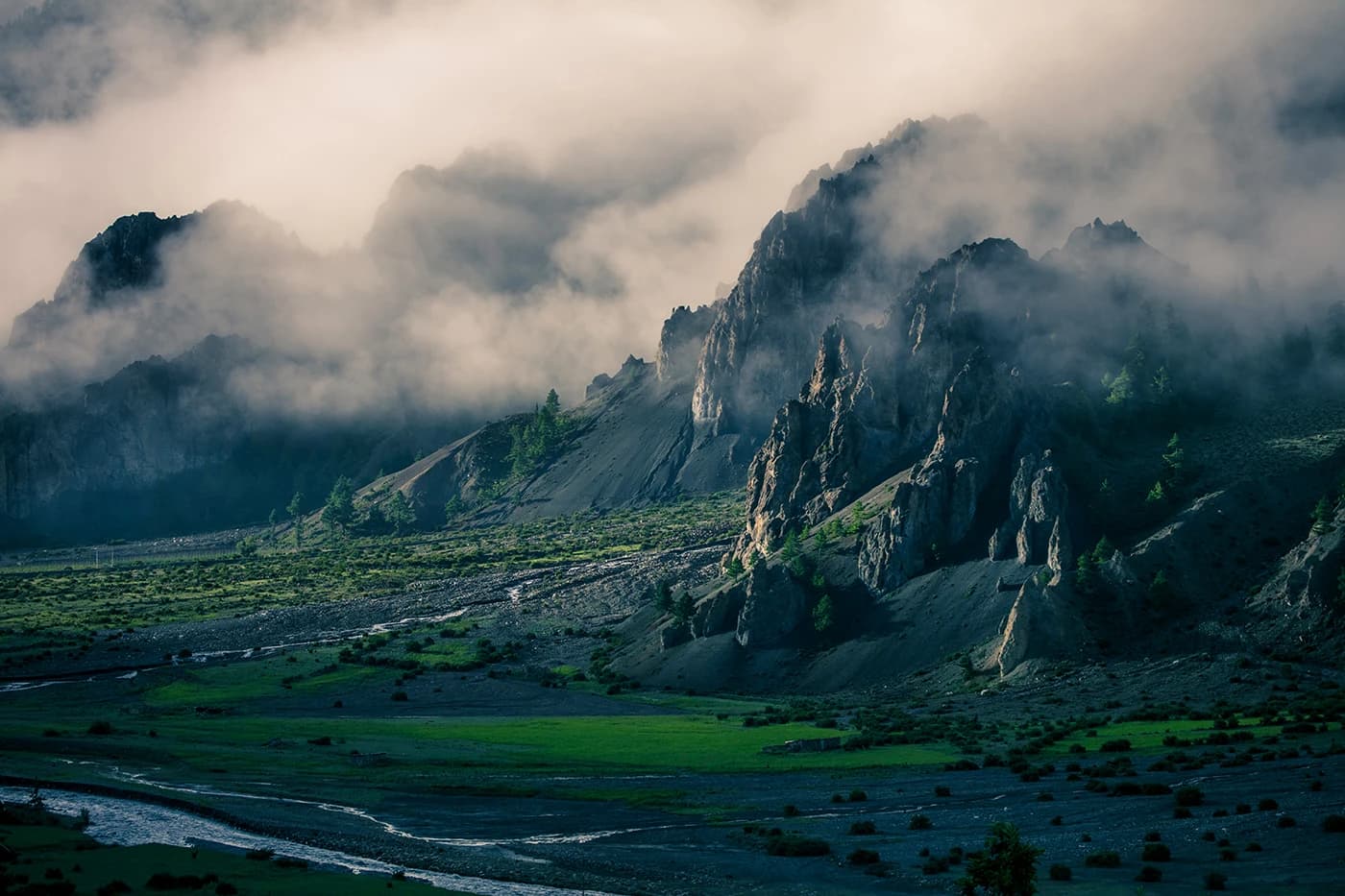
Beyond the wetter southern slopes lies Manang Valley, a high Himalayan landscape protected by the Annapurna range's rain-shadow effect. Here, summer can bring a fascinating mixture of dramatic clouds, cool mountain air, changing light, green valleys and surprisingly dry stretches of trail. (Nepal Tourism Board)
Summer in Manang is not about finding perfect weather every day.
It is about seeing the Himalayas in a mood that many travelers never experience.
Why Visit Manang Valley in Summer?
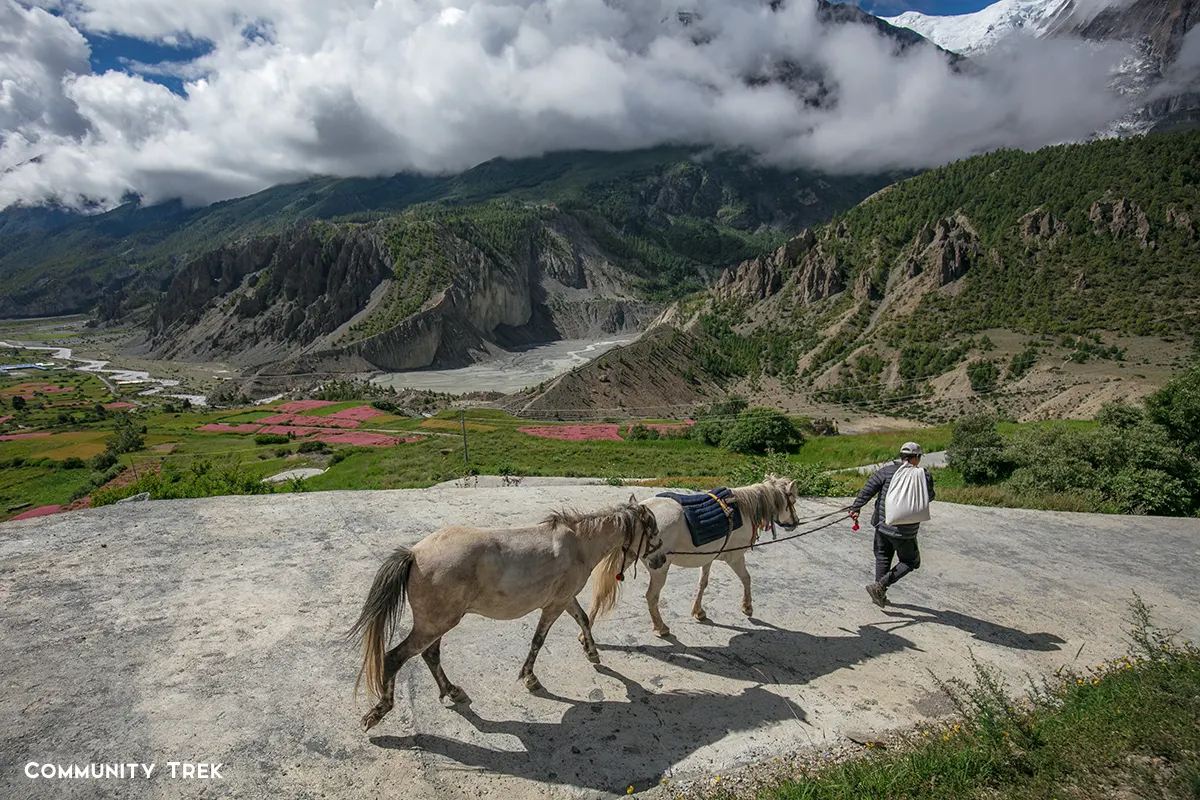
Manang sits high in the Annapurna region at roughly 3,500 meters, surrounded by enormous Himalayan peaks and landscapes that gradually become more Tibetan in character. The valley forms an important section of the Annapurna Circuit, one of Nepal's most famous long-distance trekking routes.
During the summer monsoon, the lower approaches toward Manang can be wet, muddy and vulnerable to landslides. But as the route climbs into the higher Manang region, the rain-shadow effect becomes increasingly noticeable. This geographical contrast is one of the reasons summer travel to Upper Manang can be so different from visiting the lower Annapurna valleys. (Magical Nepal)
And when the clouds finally move away?
The mountains appear almost magically.
A grey morning can suddenly become a brilliant afternoon, revealing Annapurna II, Gangapurna and the surrounding peaks beneath changing layers of cloud.
That unpredictability is part of the beauty.
Manang Valley in Summer: What Does It Feel Like?
Imagine waking early in a small mountain lodge.
Outside, the valley is quiet. Clouds hang around the peaks, prayer flags move gently in the wind and the mountains are partly hidden behind mist. You begin walking along an ancient trail, passing stone houses, fields and small settlements.
Then, without warning, the clouds begin to separate.
A huge Himalayan peak appears.
For a few minutes, the entire valley changes.
This is what makes Manang in summer special. Instead of seeing the mountains under the same blue sky every day, you experience a constantly changing landscape—mist, sunlight, clouds, rain, shadows and mountain light.
For photographers and travelers who enjoy atmosphere rather than simply collecting viewpoints, summer can be particularly rewarding.
The Green Side of the Himalayas
One of the biggest surprises for summer visitors is how dramatically the landscape changes.
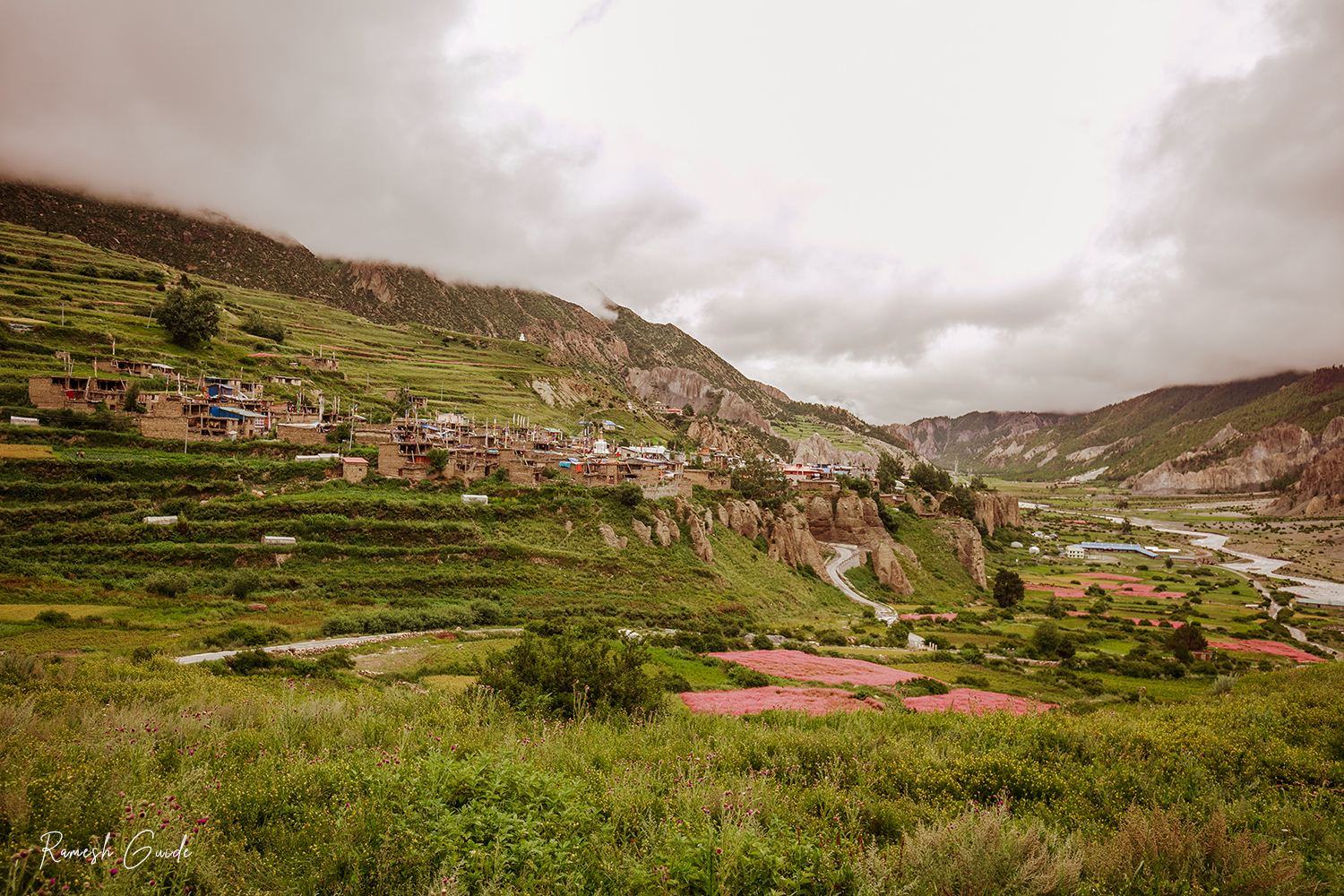
The monsoon brings life to Nepal's mountains. Lower sections become intensely green, waterfalls become more powerful and vegetation flourishes. In and around Manang, agricultural fields and alpine landscapes take on different shades of green as summer progresses.
The contrast is extraordinary.
Brown and rocky Himalayan slopes stand beside green farmland. White clouds move across dark mountains. Small villages appear between enormous peaks.
The Himalayas suddenly feel alive.
A Quieter Annapurna Experience
Another reason some travelers choose summer is the atmosphere.
Autumn and spring attract large numbers of trekkers, particularly along the most famous sections of the Annapurna Circuit. Summer generally sees fewer trekkers, although conditions and trail accessibility vary from year to year.
That quieter atmosphere can change the experience completely.
Instead of constantly meeting groups on the trail, you may find yourself walking for long stretches with only the sound of the wind, rivers and your own footsteps.
Tea houses can feel more peaceful, villages less hurried and conversations with local people more personal.
For travelers who prefer slow travel in Nepal, summer Manang can feel less like following a famous trekking route and more like discovering a living Himalayan valley.
Places to Explore Around Manang
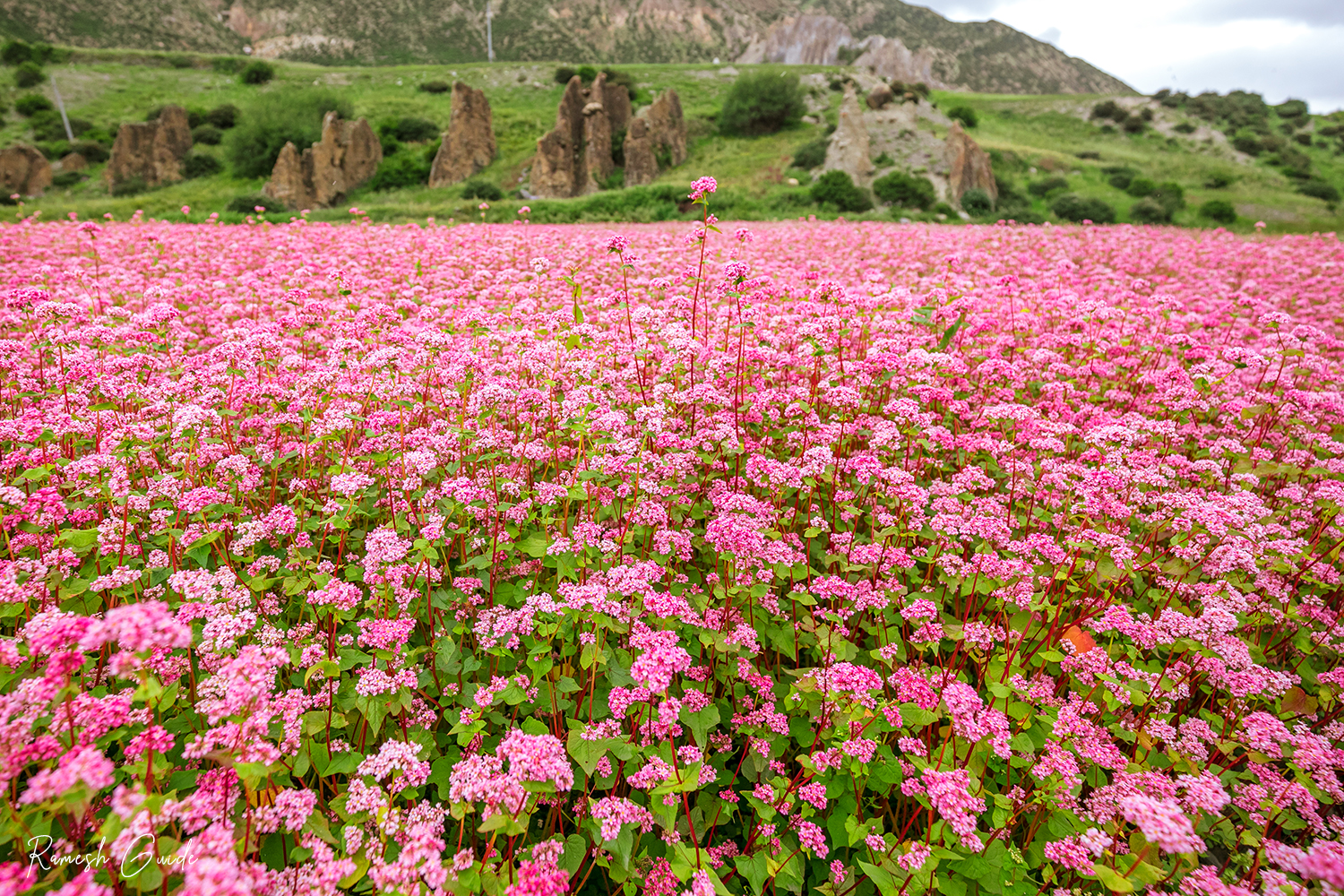
Manang is not simply a place to pass through on the Annapurna Circuit. The surrounding valley offers several remarkable side trips and cultural experiences.
1. Manang Village
Manang village is the heart of the upper valley and one of the most memorable stops on the Annapurna Circuit.
At around 3,500 meters, the settlement has a distinctive high-Himalayan character. Stone buildings, monasteries, mountain paths and surrounding agricultural fields create a landscape that feels very different from Nepal's lower valleys.
Spend time here rather than rushing through.
Walk around the village. Visit a monastery. Watch the changing weather. Talk with locals. Let your body adjust to the altitude.
Sometimes the best travel experiences happen when you stop trying to see everything.
2. Gangapurna Lake
Gangapurna Lake is one of the most beautiful natural attractions around Manang.
The turquoise glacial lake sits beneath the dramatic Gangapurna massif, surrounded by rugged Himalayan terrain.
Summer clouds can make the scenery even more dramatic. When the sky clears, the combination of turquoise water, glaciers, cliffs and snow-covered peaks creates an unforgettable Himalayan scene.
3. Tilicho Lake
For adventurous trekkers, Tilicho Lake is one of Manang's greatest attractions.
At approximately 4,919 meters, Tilicho Lake is among the world's highest lakes and is one of the major side trips associated with the Annapurna region. Nepal Tourism Board specifically highlights Tilicho Lake as an attraction of the Annapurna Conservation Area. (Nepal Tourism Board)
Reaching the lake is not an ordinary sightseeing trip.
The route involves high-altitude trekking, challenging terrain and proper acclimatization. Summer conditions can also change quickly, so travelers should check current trail and weather conditions and consider traveling with an experienced guide.
But the reward is extraordinary.
After hours of walking through rugged Himalayan terrain, the blue-green lake appears beneath enormous mountains.
It is the kind of place that makes you stop talking.
4. The Road and Villages of the Marsyangdi Valley
The journey toward Manang is part of the experience.
As you travel upward from the lower Marsyangdi Valley, the landscape changes dramatically. Lush vegetation gradually gives way to rocky cliffs, pine forests, waterfalls and eventually the drier high-altitude environment around Manang.
Villages along the route provide opportunities to experience local architecture, food and mountain life.
The journey is not always comfortable, especially during the monsoon. Road conditions can deteriorate after heavy rainfall, and landslides can affect sections of the lower route. That is one reason summer travelers need flexibility rather than a rigid schedule. (Magical Nepal)
Manang and the Annapurna Circuit
Manang is one of the defining destinations of the Annapurna Circuit Trek.
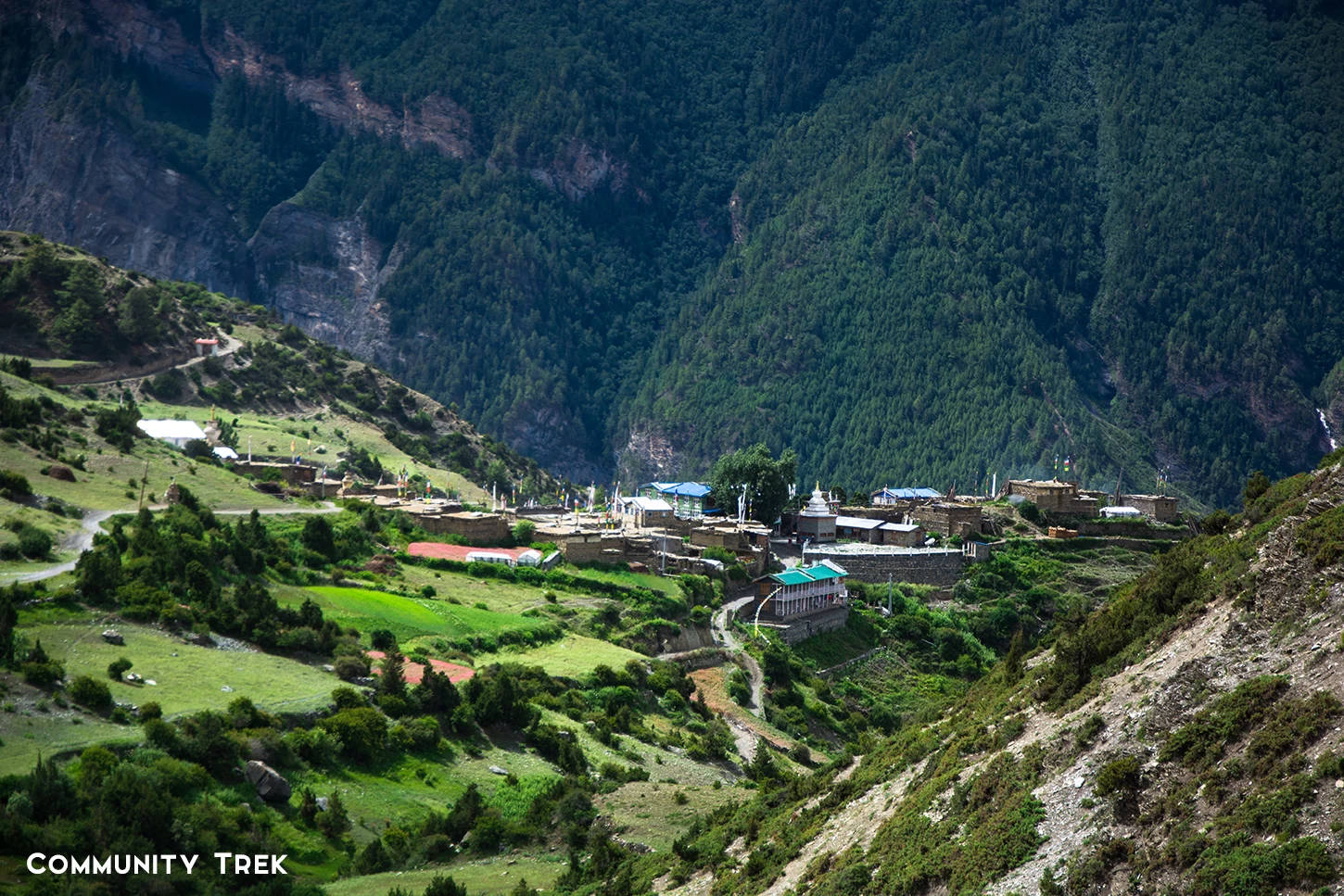
The classic journey follows the Marsyangdi River upstream before entering the high Manang Valley and eventually continuing toward Thorong La and Mustang.
The circuit is famous because the scenery changes constantly—from subtropical valleys to alpine landscapes and the dry, Tibetan-influenced terrain north of the Annapurna massif.
The Annapurna Conservation Area itself covers parts of Kaski, Lamjung, Manang and Mustang and supports remarkable biodiversity, including hundreds of bird species and rare wildlife such as snow leopards and blue sheep. (Nepal Tourism Board)
Can You Trek to Manang in Summer?
Yes, but summer trekking requires a different mindset.
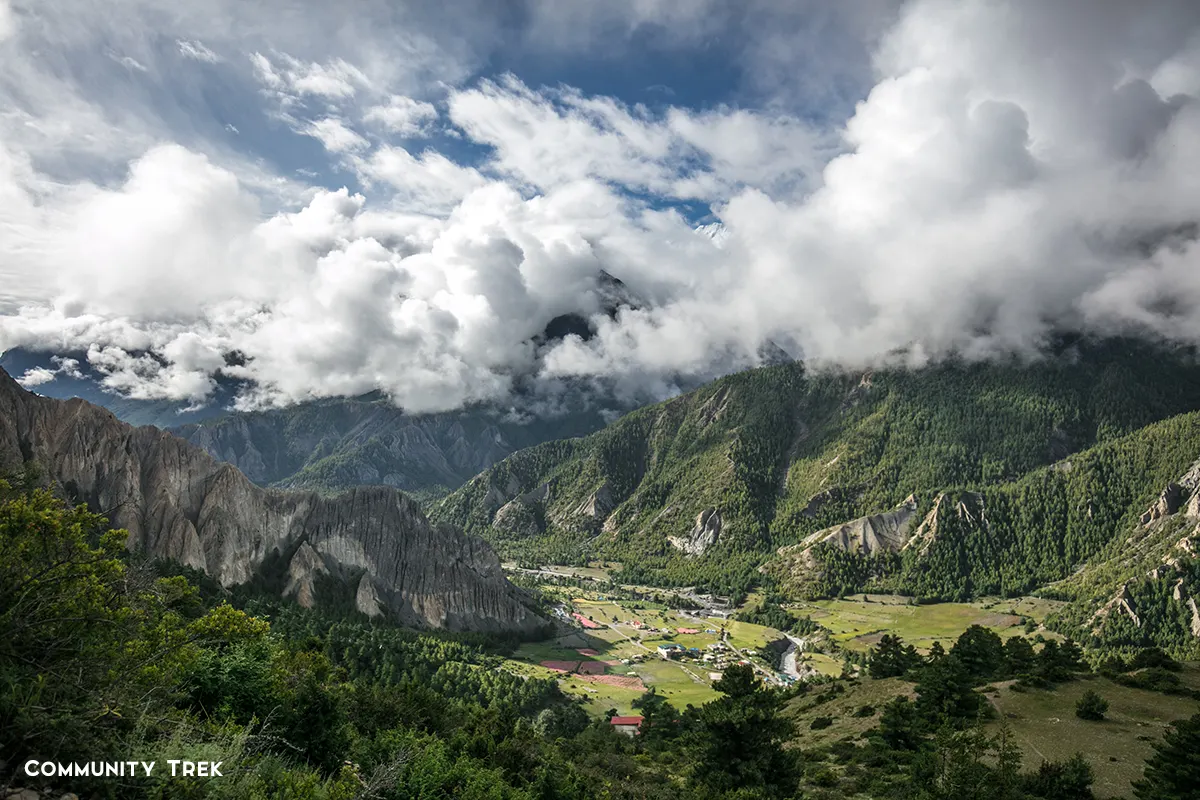
June to August falls within Nepal's monsoon season. The lower Annapurna Circuit can receive substantial rainfall, and travelers may encounter muddy trails, swollen rivers, landslides, road disruptions and cloudy mountain views.
However, Manang lies within the northern rain-shadow region, meaning the high valley generally receives much less rainfall than the southern side of the Annapurna range. (Nepal Tourism Board)
That does not mean Manang is guaranteed to be dry or that summer trekking is risk-free.
Weather changes quickly at high altitude.
A sensible summer traveler should:
- Check weather and road conditions before departure.
- Keep extra days in the itinerary for delays.
- Start important hikes early when conditions are often more favorable.
- Use proper waterproof clothing and footwear.
- Take altitude acclimatization seriously.
- Avoid traveling alone on challenging high-altitude routes.
- Check local conditions before attempting high passes or side trips.
For the full Annapurna Circuit, the conditions around Thorong La can be especially important. At 5,416 meters, the pass is a serious high-altitude crossing and should never be treated as a casual sightseeing stop.
What Is Summer Weather Like in Manang?
Summer in Manang is cooler than summer in Nepal's lower valleys.
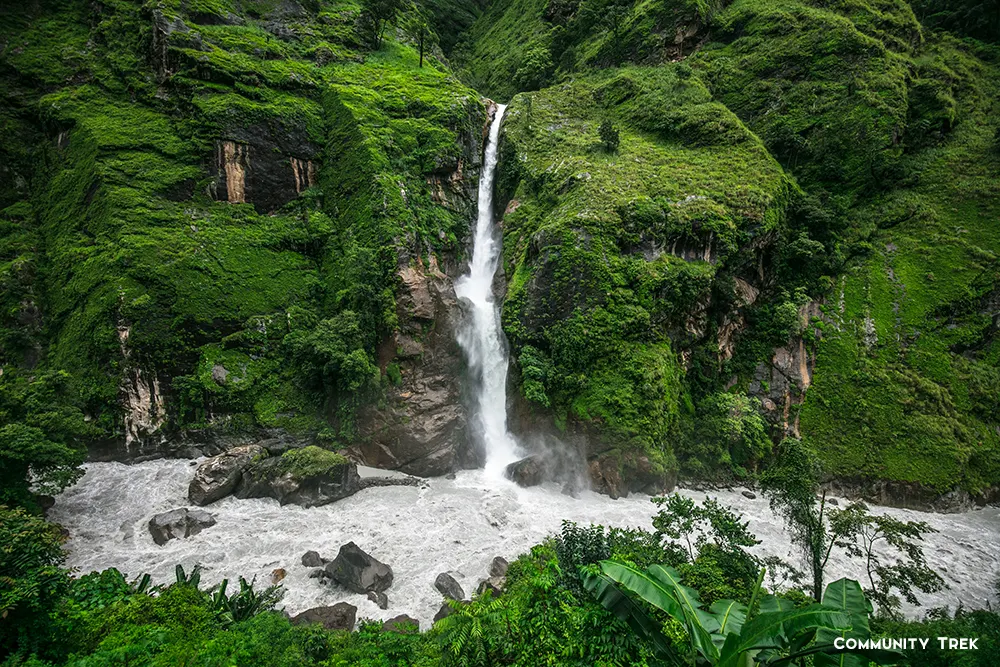
Nepal Tourism Board notes that northern Nepal has cool summers, while temperatures decrease significantly with altitude. Manang's high elevation also means nights can become cold, especially during rain or cloudy weather. (Nepal Tourism Board)
You may experience:
Morning: cool, calm and sometimes surprisingly clear.
Afternoon: clouds may build, with changing visibility and occasional rain.
Evening: temperatures can drop quickly, making warm clothing essential.
The weather is part of the adventure.
One hour you might be hiking beneath clouds; the next, sunlight can illuminate an entire Himalayan wall.
What Makes Summer Manang Different?
If autumn gives you the postcard Himalayas, summer gives you the living Himalayas. The mountains are not always visible. The trails may not always be dry. The weather may change your plans. And that is precisely why the experience can feel so memorable.
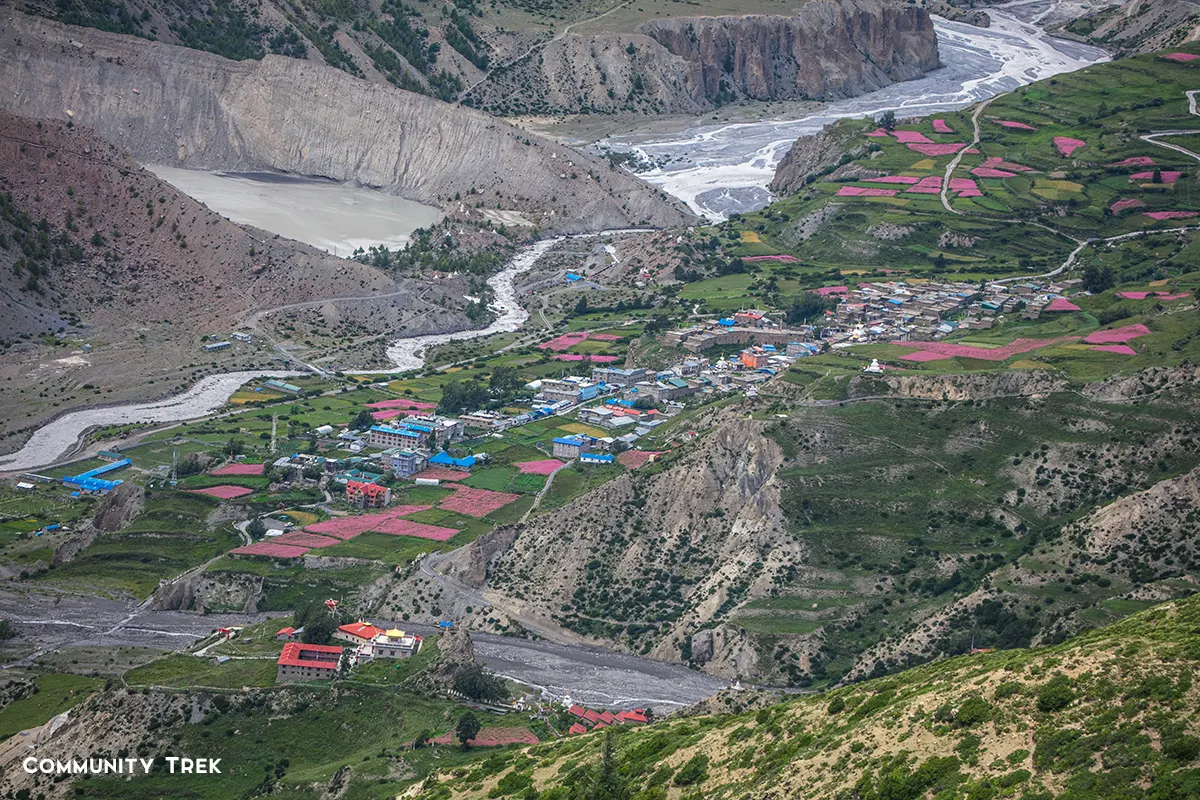
You see waterfalls rushing down cliffs. You watch clouds crawl across enormous peaks. You walk through villages surrounded by green fields. You smell wet earth after rain. You see sunlight break through a mountain valley and turn the landscape golden.
It feels less polished. More natural. More unpredictable. More alive.
A Few Things to Know Before You Go
Summer is not the conventional best season for the Annapurna Circuit. Nepal Tourism Board recommends March/May and September/November as the best seasons for the Annapurna Conservation Area. (Nepal Tourism Board)
So who should consider Manang in summer?
Summer Manang is particularly appealing to travelers who:
- Prefer quieter trails.
- Enjoy dramatic weather and photography.
- Want to experience the Himalayas differently from peak season.
- Are comfortable with flexible travel plans.
- Understand that the lower approach can be wet and disrupted.
- Want to explore the rain-shadow landscape of Upper Manang.
If your priority is maximum clear-sky mountain views and the most predictable trekking conditions, spring or autumn remains the safer seasonal choice.
But if you want something different, summer deserves a place on your Nepal travel list.
How to Reach Manang
Manang can be reached as part of the Annapurna Circuit, with travelers commonly approaching through the Marsyangdi Valley from the Besisahar side.
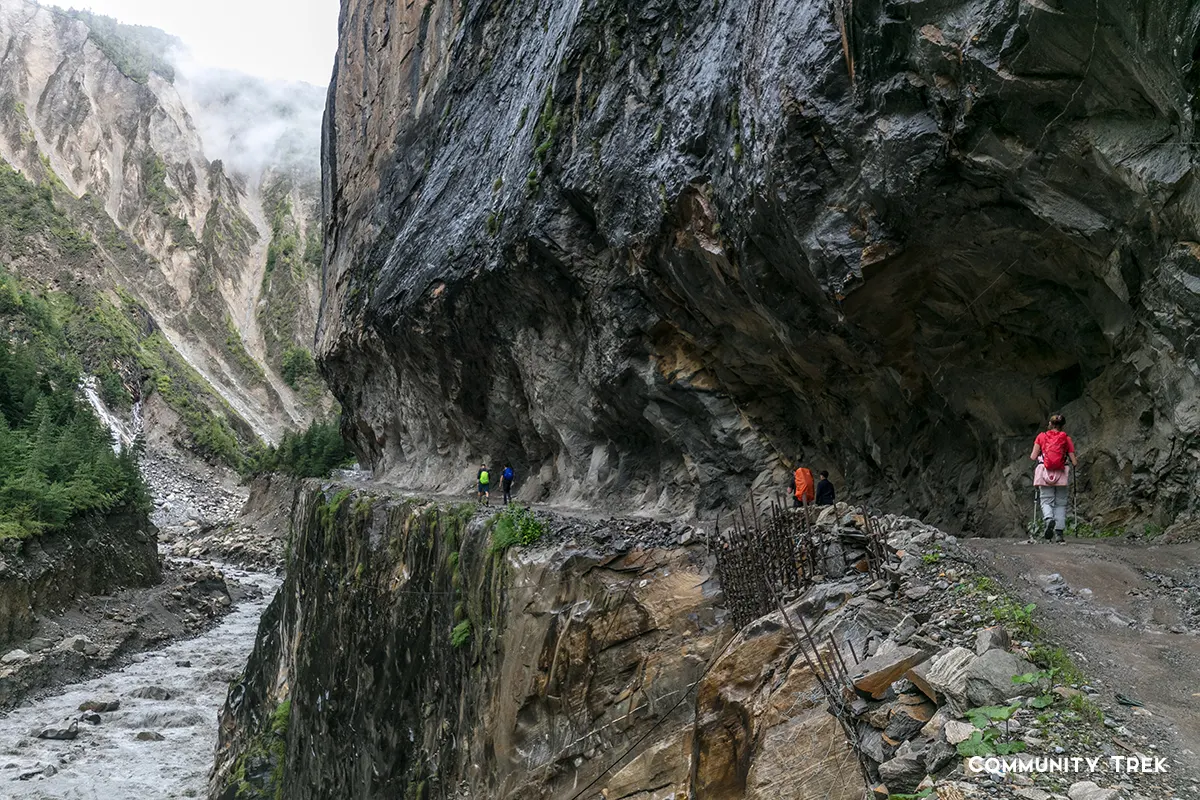
Road access has changed the way many people travel through the region, but summer travelers should remember that monsoon rainfall can affect road conditions and cause delays.
The journey should therefore be treated as part of the adventure—not simply transportation from one destination to another.
For the most current route, road and permit information, check official Nepal tourism information and local conditions before leaving.
Where to Stay
Manang and the surrounding trekking settlements have teahouses, lodges and other accommodation options along the Annapurna route. Nepal Tourism Board notes that the Annapurna region is well serviced by teahouses, lodges and camping options. (Nepal Tourism Board)
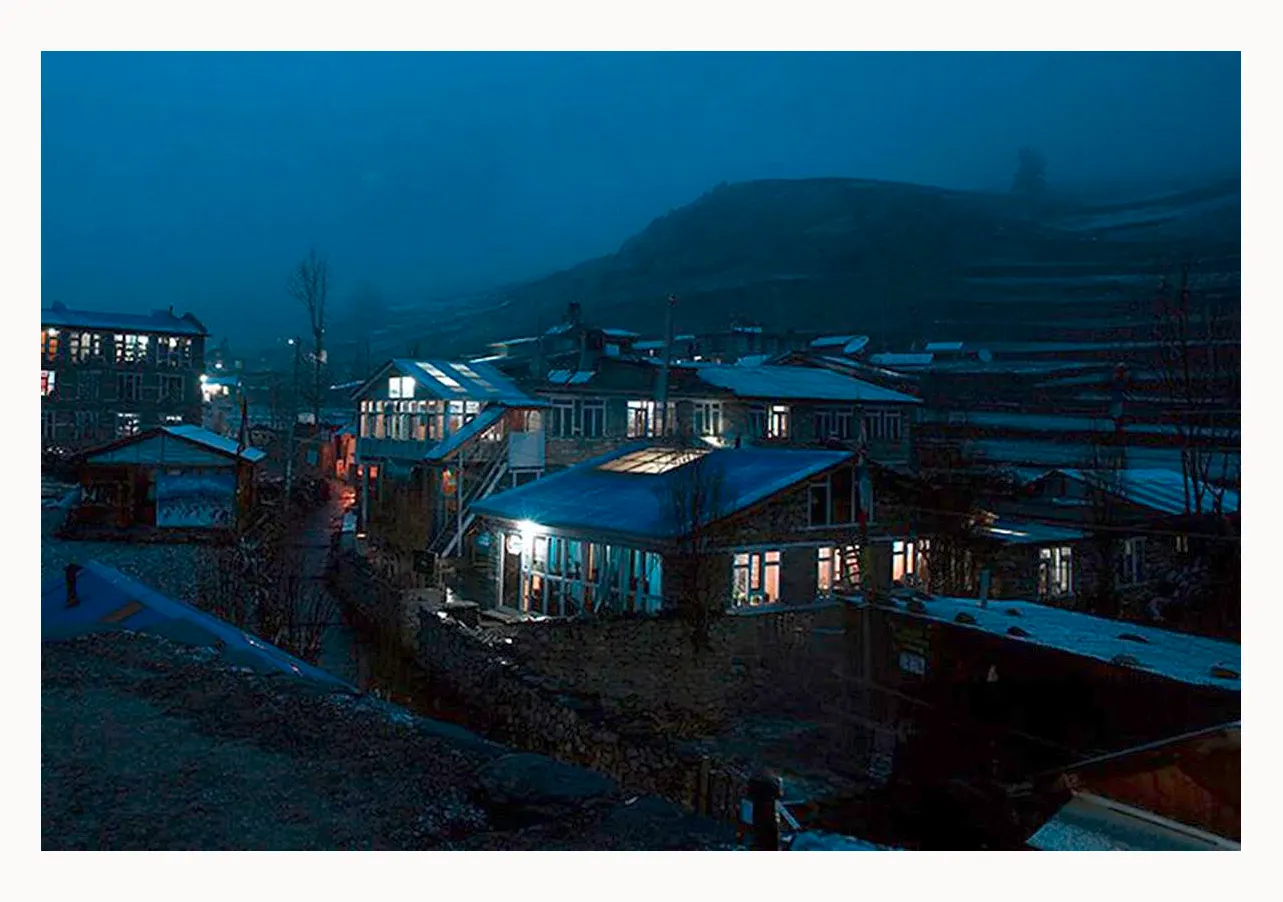
In summer, it is still wise to confirm accommodation availability ahead of time, particularly if your itinerary includes remote side trips.
And remember: at this altitude, a warm room, hot meal and good night's sleep are not luxuries. They are part of the journey.
What to Eat in Manang
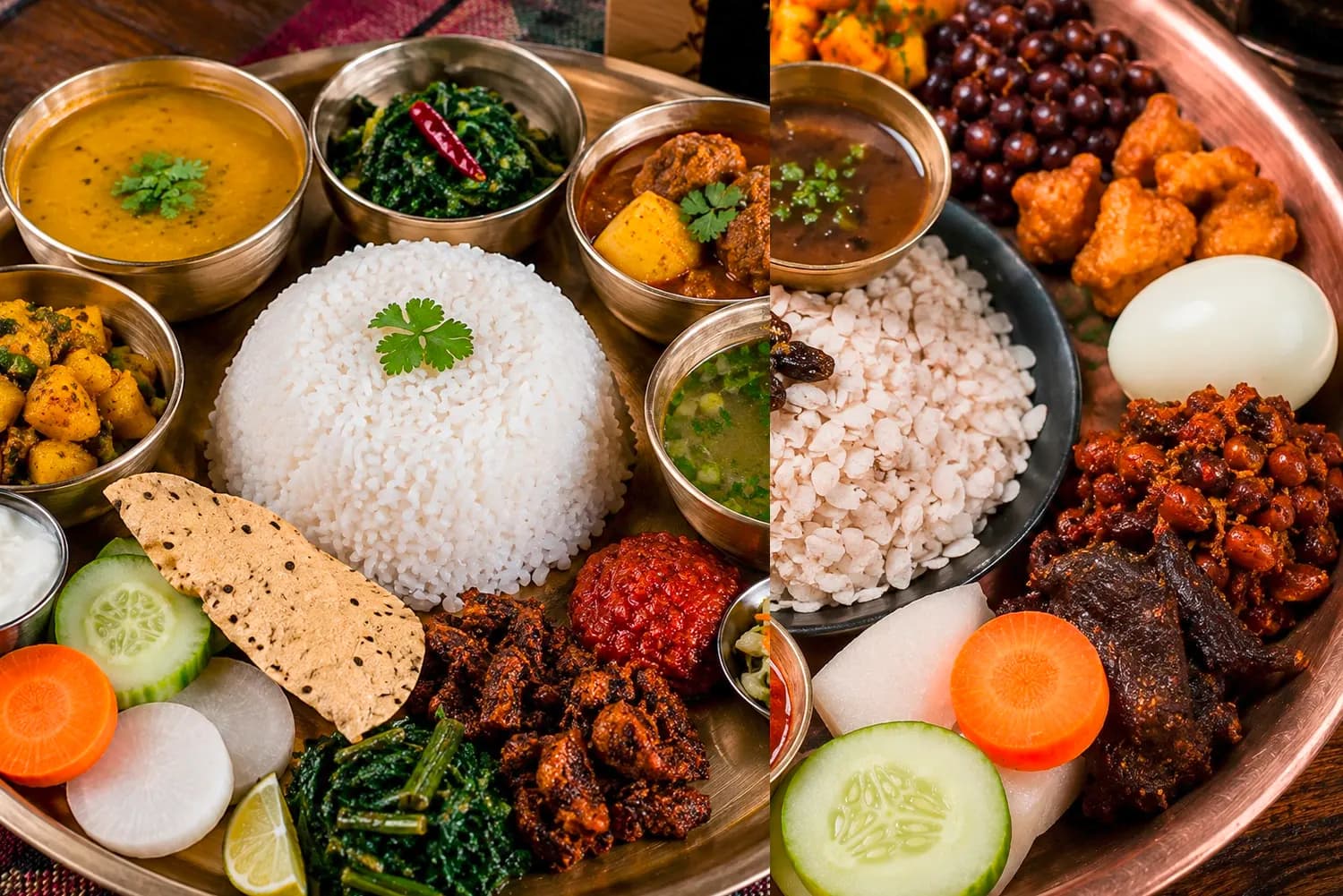
Traveling through Manang is also a wonderful opportunity to experience the simple and comforting flavors of Himalayan food. After a long day on the trail, a warm and hearty Nepali meal can be exactly what a tired trekker needs to relax, refuel, and prepare for another day in the mountains.
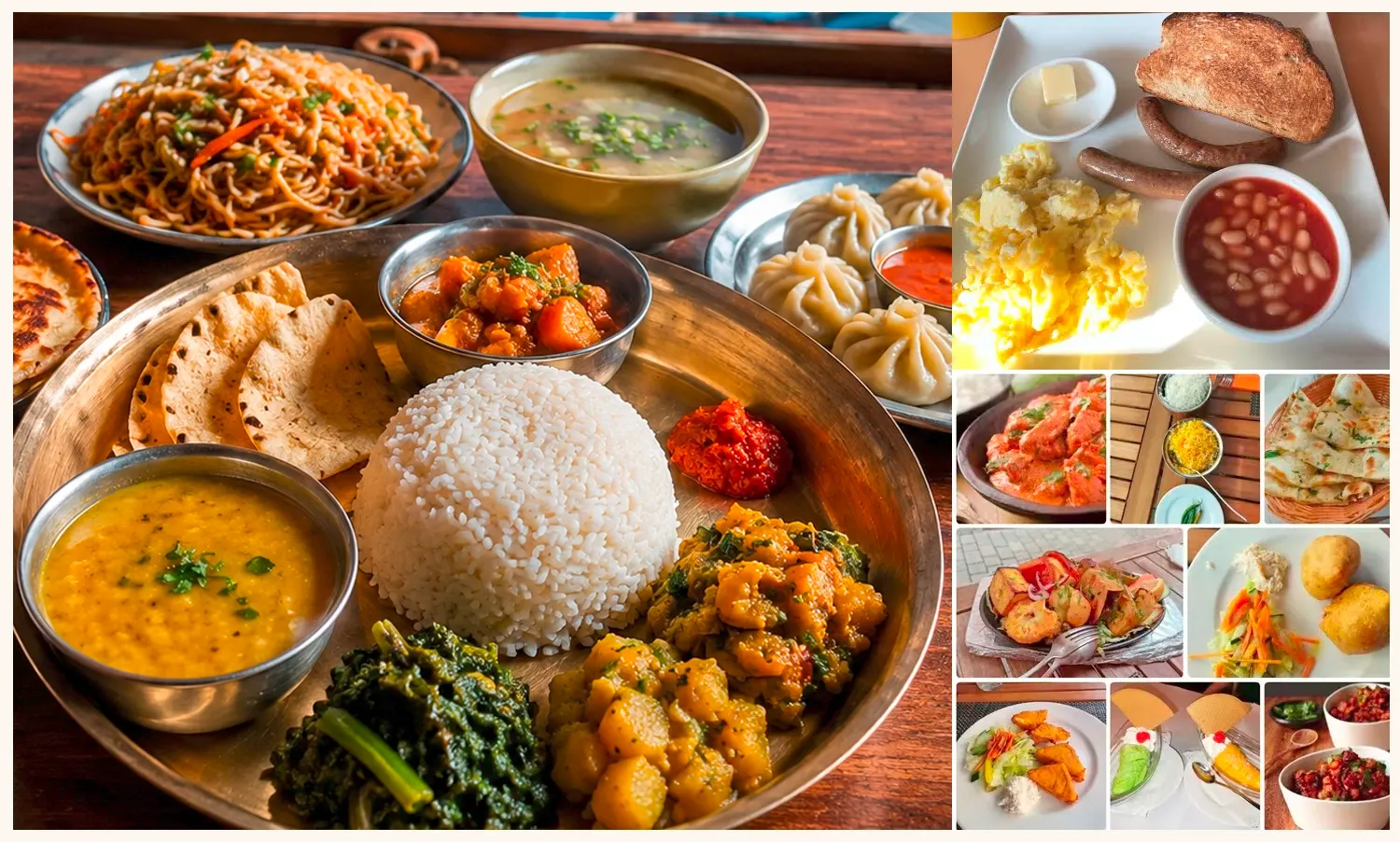
Along the way, you can enjoy traditional dal bhat, nutritious buckwheat-based dishes, Tibetan-influenced meals, warm soups, and freshly prepared tea. Local food is often simple, wholesome, and filling—perfect for the demands of high-altitude trekking.
After several hours of walking through the cool mountain air, sitting down with a steaming bowl of soup or a hot plate of dal bhat can feel better than any expensive restaurant meal. It is one of the quiet pleasures of traveling through the Himalayas: simple food, a warm place to rest, and incredible mountains just outside the window.
Is Manang Valley Worth Visiting in Summer?
Absolutely, Manang Valley is worth visiting in summer if you know what to expect. Summer is not the easiest season to experience the Himalayas, but it can be one of the most rewarding and unpredictable. The journey through the lower valleys can be wet, roads may be affected by monsoon conditions, and clouds can sometimes hide the mountains. At high altitudes, the weather can also change quickly.
But when the conditions come together, summer reveals a side of Manang that many peak-season visitors may miss. The valley comes alive with green landscapes, quiet trails, powerful waterfalls, dramatic clouds, ancient villages, and beautiful glacial lakes. Then, just when you least expect it, enormous Himalayan peaks can suddenly appear through the mist, creating a truly unforgettable scene.
That is the magic of Manang Valley in summer. You do not visit because every day promises perfect weather. You visit because every day brings the possibility of discovering something unexpected, beautiful, and unforgettable.
Final Thoughts: Go Beyond the Usual Himalayan Season
There is no single “right” way to experience Nepal. Some travelers are drawn to the clear blue skies of October, while others love the colorful flowers of spring or the peaceful beauty of winter snow. And then there are those who want to experience something different—to see what happens when the mighty Himalayas meet the summer monsoon.
If you are one of those travelers, Manang Valley in summer may surprise you. Come with patience, prepare yourself for changing weather, allow enough time for the journey, and always respect the altitude and the mountains. Most importantly, slow down and give yourself time to experience the valley rather than simply passing through it.
Stand beside a mountain trail and watch the clouds move across the peaks. Listen to the river flowing through the valley. Look at the traditional stone houses of Manang glowing in the afternoon light. These simple moments can become some of the most memorable parts of your journey.
You may discover that the Himalayas do not need a perfectly blue sky to be beautiful. Sometimes, the most unforgettable mountain views are the ones that appear through the clouds for only a few minutes. And sometimes, you simply have to travel farther, wait a little longer, and look more carefully to discover the true beauty of the mountains.