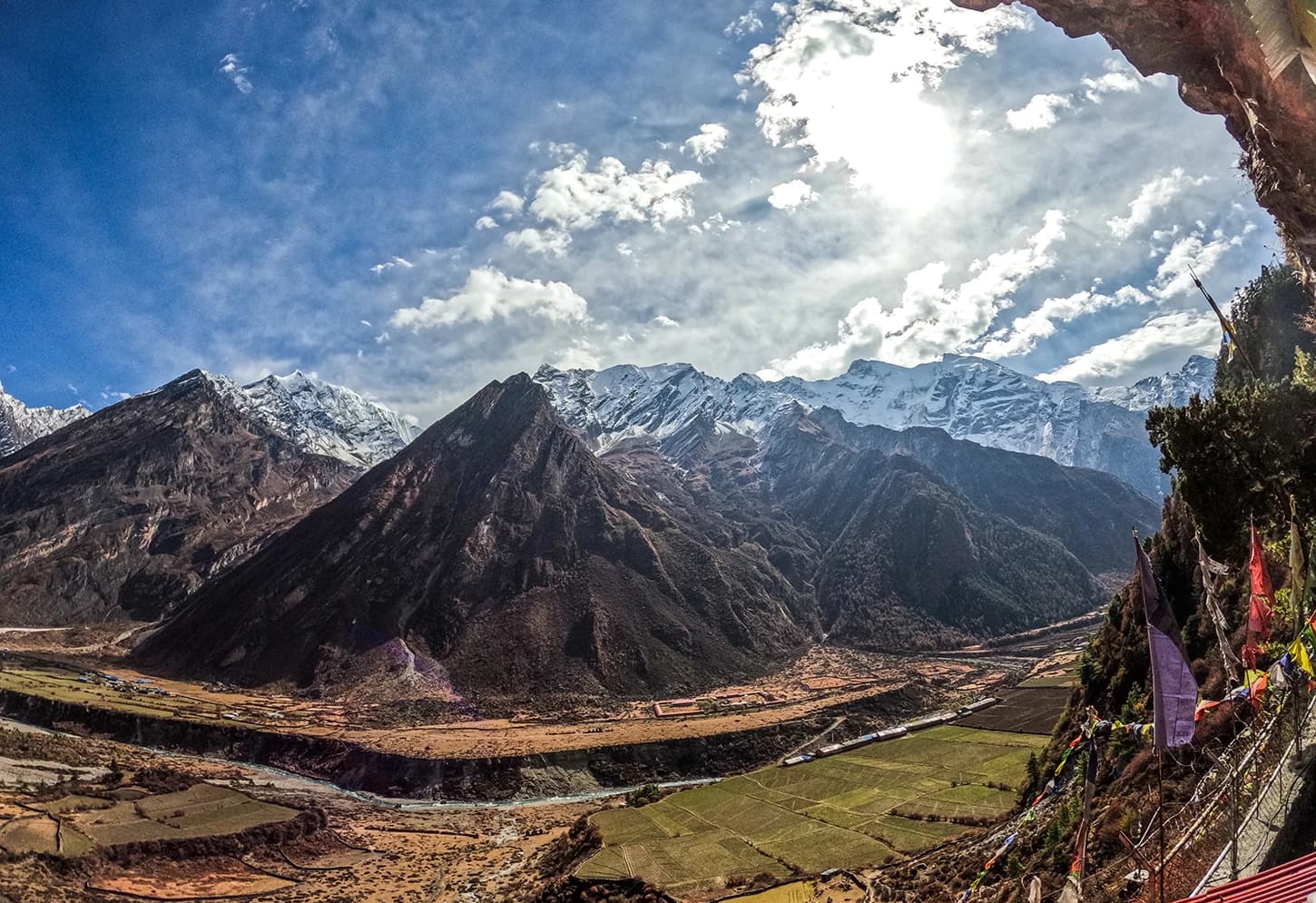
Have you ever imagined walking into a Himalayan valley where ancient Buddhist traditions, sacred mountains, peaceful villages and a centuries-old culture of non-violence have remained deeply connected with everyday life? Tsum Valley is one of Nepal's most remarkable hidden destinations, a remote valley in northern Gorkha District, close to the Tibetan border and within the Manaslu Conservation Area. Its remoteness has helped preserve a distinctive cultural landscape, making the Tsum Valley Trek much more than an ordinary Himalayan trekking experience.
The valley is traditionally known as Tsum Tso Chuksum, a name associated with thirteen provinces that were historically governed together. Ancient remains and cultural traditions connected with the old Tsum Kingdom can still be found in the region. For generations, the valley's isolation helped protect its language, customs, architecture, Buddhist traditions and relationship with the surrounding mountains.
Where Is Tsum Valley?
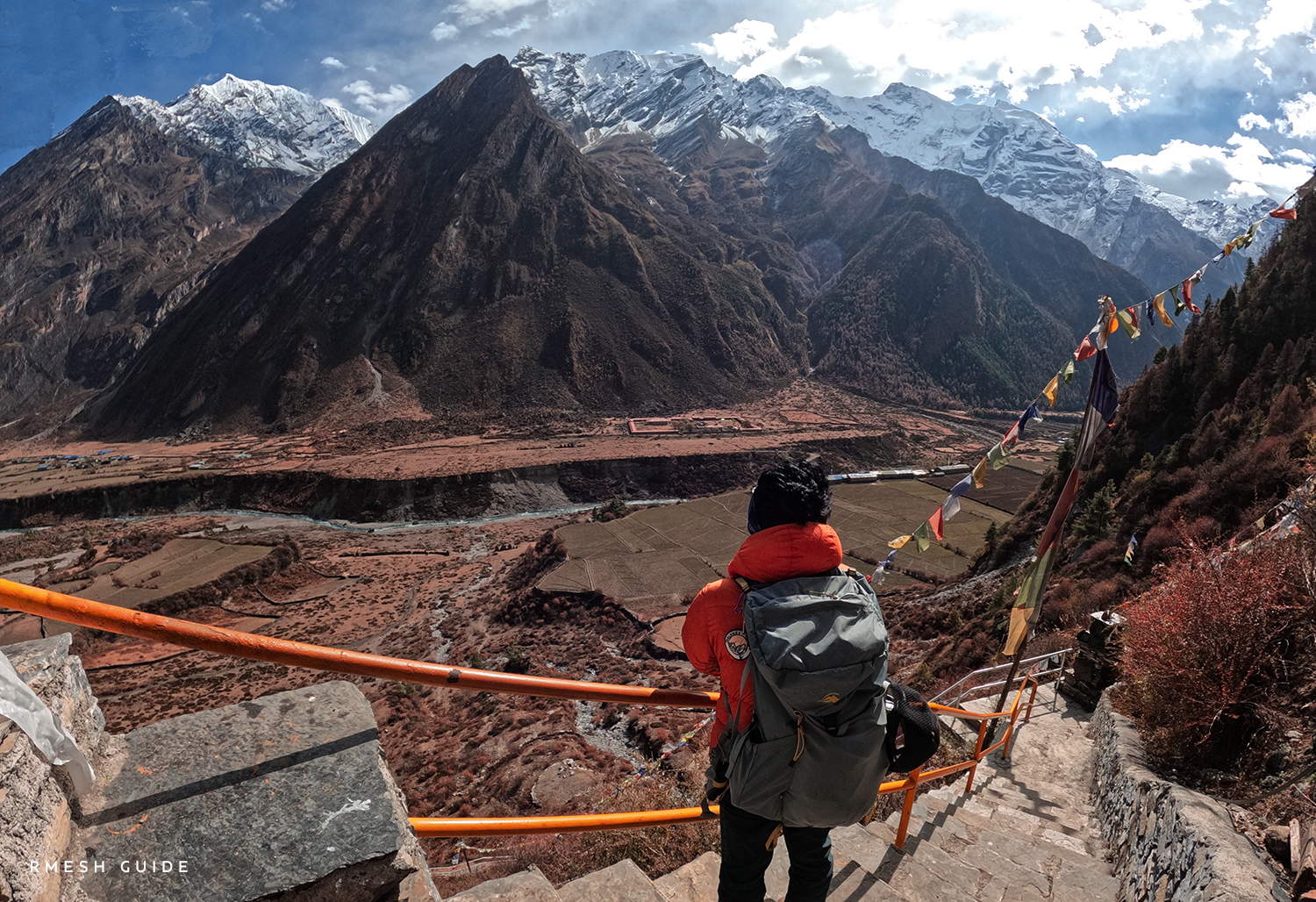
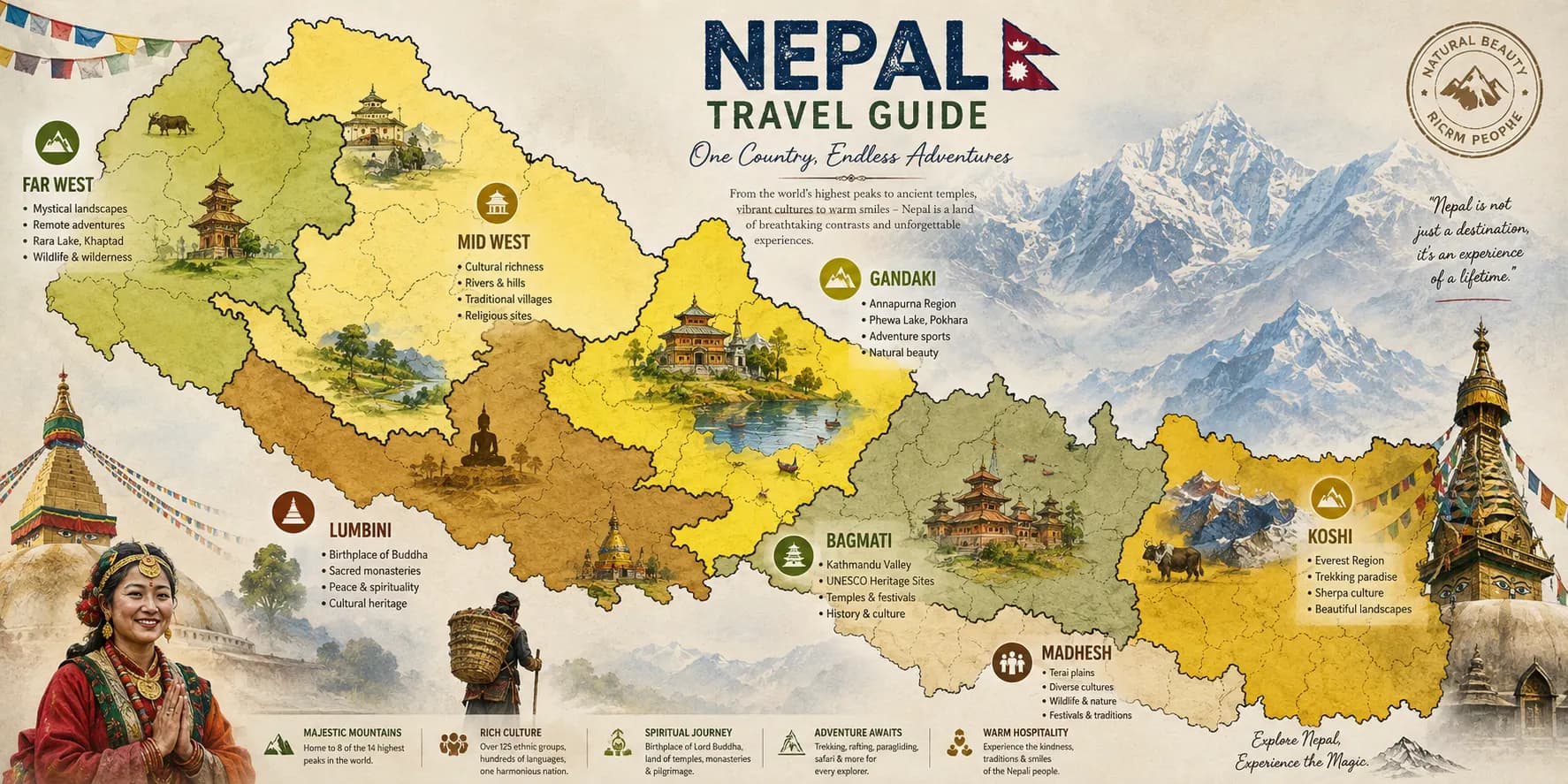
Tsum Valley lies in the northern part of Gorkha District in Gandaki Province, in the Manaslu region of Nepal. It sits close to the international border with Tibet and forms part of the Manaslu Conservation Area, one of Nepal's important protected Himalayan landscapes. The valley stretches through a dramatic mountain environment surrounded by the Ganesh Himal, Sringi Himal and Boudha Himal ranges. The Shiar Khola flows through the valley before joining the Budhi Gandaki River near Nyak.
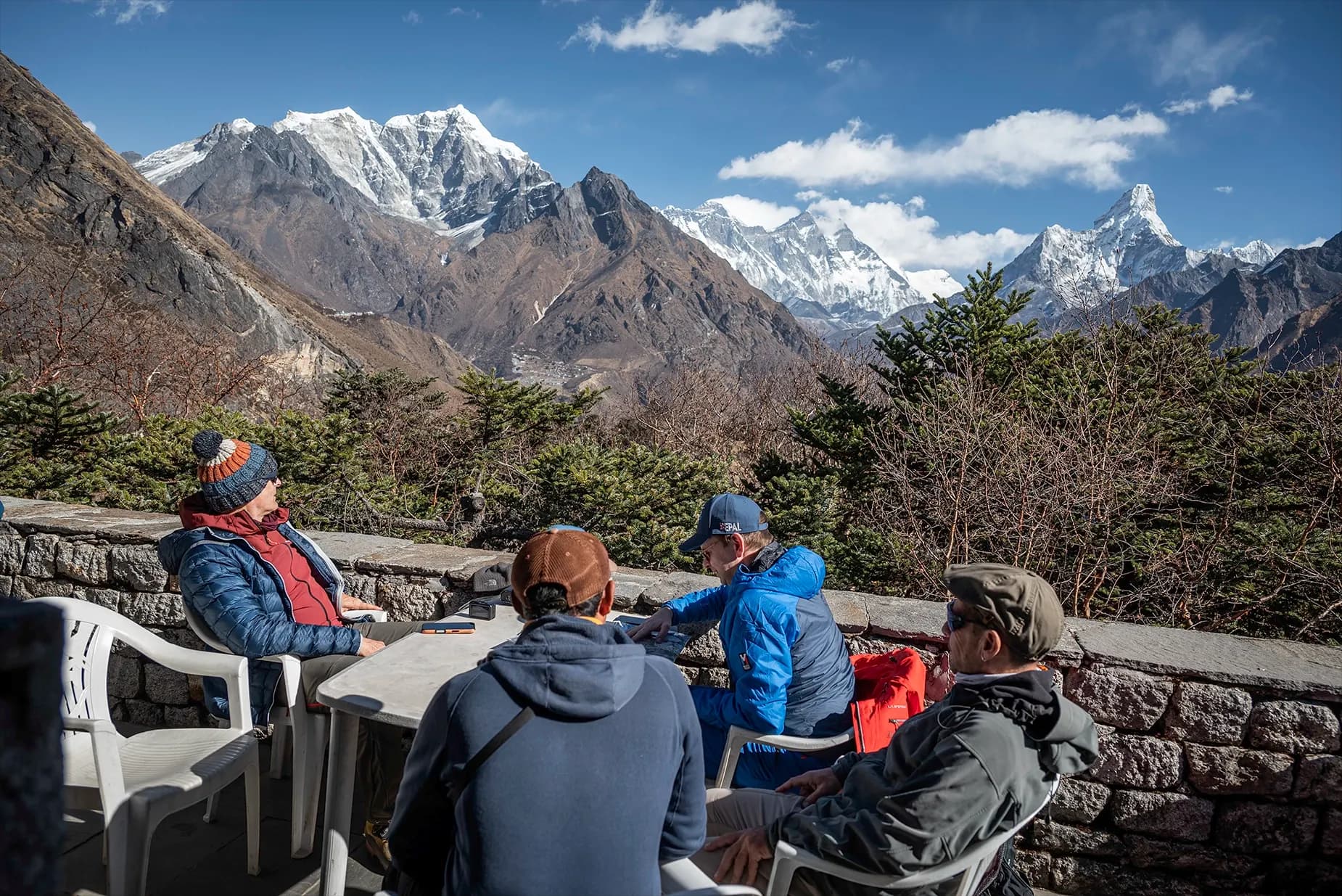
Geographically, Tsum is a fascinating transition between deep Himalayan valleys and high mountain landscapes. The area contains forests, waterfalls, alpine terrain and high pastures, while elevations rise dramatically toward the surrounding peaks. The valley is also home to wildlife including Himalayan tahr and blue sheep, with traditional restrictions on hunting helping protect the local ecosystem.
Why Is Tsum Valley Historically Important?
Tsum Valley has a history deeply connected with Tibetan Buddhism and Himalayan pilgrimage. Local tradition holds that Buddhist masters, including the revered yogi Milarepa, meditated in caves in the surrounding mountains. Sacred caves, monasteries, chortens, mani walls and ancient pilgrimage routes are therefore not simply attractions for visitors—they are part of a living spiritual landscape.
The valley is also associated with the ancient Kyimu Lung pilgrimage tradition, a sacred landscape connected with meditation and Buddhist learning. Walking through Tsum can feel like travelling through a living history book, where religious heritage is still part of everyday life rather than something preserved only inside a museum.
Tsum Valley and the Beyul Tradition
Tsum Valley is also described in local and Buddhist traditions as a Beyul, meaning a sacred hidden valley or spiritual refuge. In Tibetan Buddhist tradition, Beyul are understood as sacred places of refuge associated with Guru Rinpoche (Padmasambhava) and are believed to reveal their spiritual significance to practitioners at appropriate times. Sources documenting Tsum's cultural heritage specifically identify the valley as a Beyul connected with Guru Rinpoche.
This idea helps explain why Tsum feels different from many other trekking destinations. The mountains are not viewed only as dramatic scenery. For local communities, many mountains, caves, rivers and sacred sites have spiritual meaning. Travelling through the valley therefore requires more than physical preparation—it calls for curiosity, humility and respect for local beliefs.
When Did Tsum Valley Open to Foreign Trekkers?
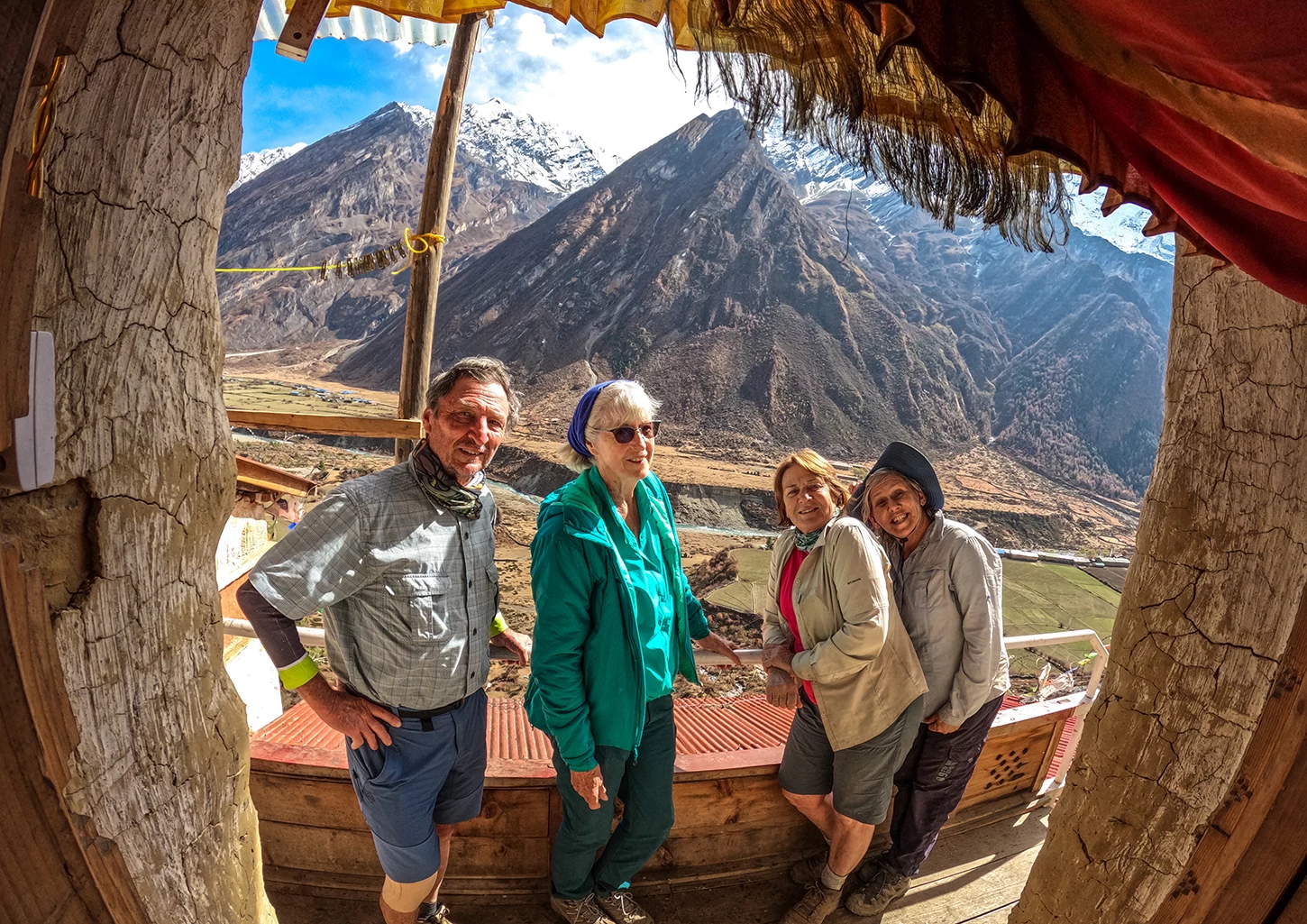
For generations, Tsum Valley remained extremely remote and largely outside mainstream tourism. The valley was opened to foreign trekkers in 2008, allowing international visitors to experience its unique landscapes and culture through controlled trekking.
Even after opening to tourism, Tsum has retained its character as a restricted trekking area. This is an important part of the valley's identity: tourism has been introduced without completely transforming the traditional character of the communities.
The result is a trekking experience that feels considerably quieter and more culturally immersive than many of Nepal's busiest Himalayan routes.
The Tsumba People and Their Culture
The people of Tsum Valley are known as the Tsumba, an Indigenous Himalayan community with a strong Tibetan cultural and Buddhist heritage. They speak Tsumke, a distinctive local language or dialect influenced by Tibetan, and traditionally depend on agriculture, livestock, tourism and other livelihoods.
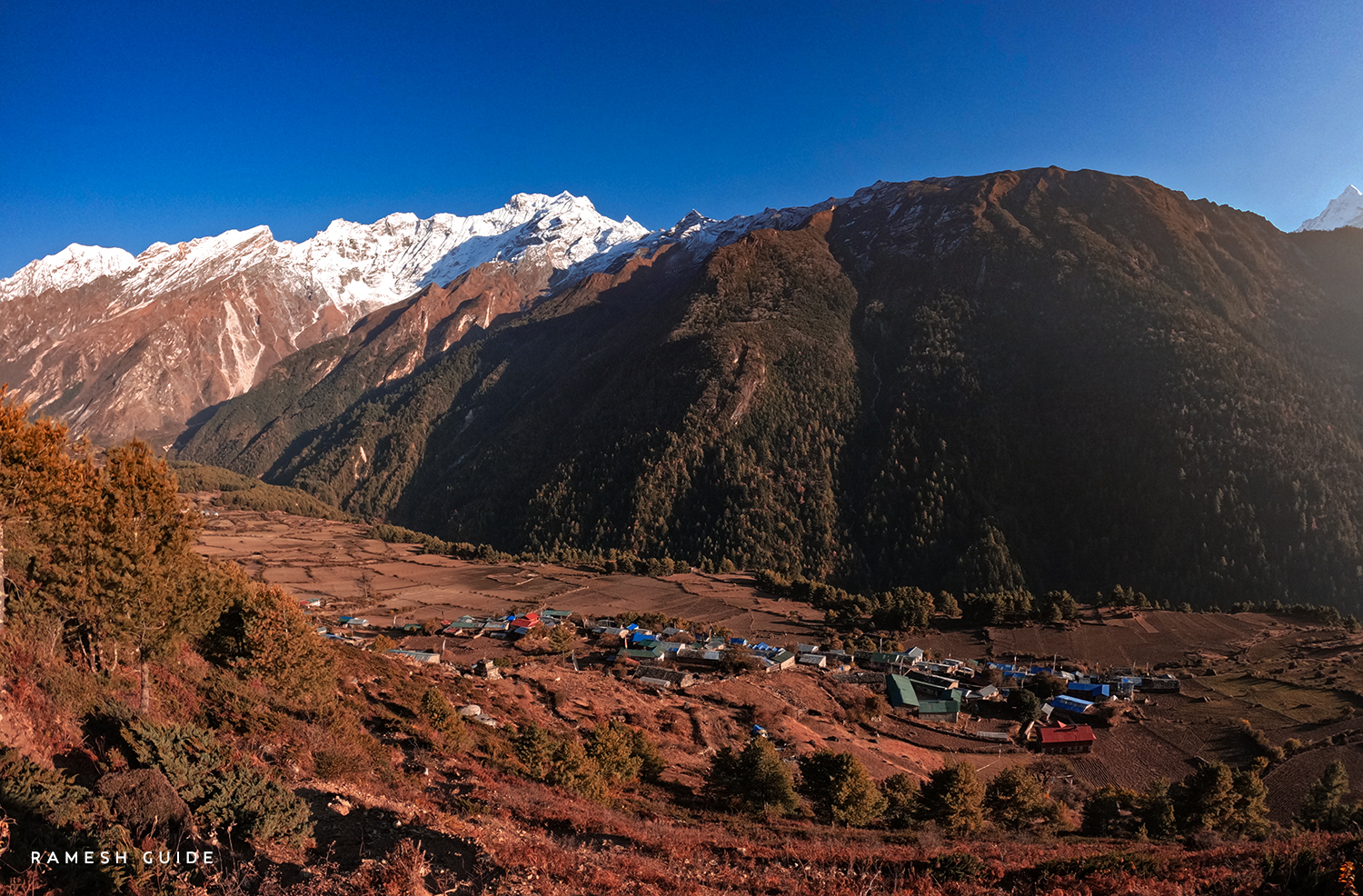
As you walk through villages such as Chumling, Chhekampar and Nile, you encounter traditional stone houses, cultivated fields, prayer flags, mani walls and religious monuments. The architecture and landscape reflect a way of life shaped by the high mountains and centuries of cultural connection with Tibet.
For travellers, one of the greatest rewards of Tsum Valley is the opportunity to experience this culture respectfully. Instead of simply passing through a scenic landscape, you have the chance to understand how religion, community and nature are connected in everyday life.
Why Is Tsum Valley Known as a Non-Violence Valley?
Perhaps the most extraordinary cultural feature of Tsum Valley is its tradition of Shyagya, a local system of non-violence and environmental protection rooted in Buddhist values.
The community's traditional rules prohibit practices such as hunting, trapping animals, killing wildlife, collecting honey, trading animals for meat and burning forests. These customs have helped create a strong relationship between spiritual beliefs and conservation.
Upper Tsum was historically declared a non-violent area, and the Shyagya tradition continues to influence community life today. This is one reason Tsum is so interesting for travellers interested in sustainable tourism, conservation and Indigenous Himalayan culture.
The idea is simple but powerful: protecting nature is not separate from spiritual life—it is part of it.
Monasteries and Sacred Places
Tsum Valley is home to several important Buddhist monasteries and sacred sites. Rachen Gumba, Mu Gumba and Gumba Lungdang are among the best-known religious sites in the valley. Each has a different setting and character, from monasteries surrounded by mountain scenery to sacred sites tucked into remote landscapes.
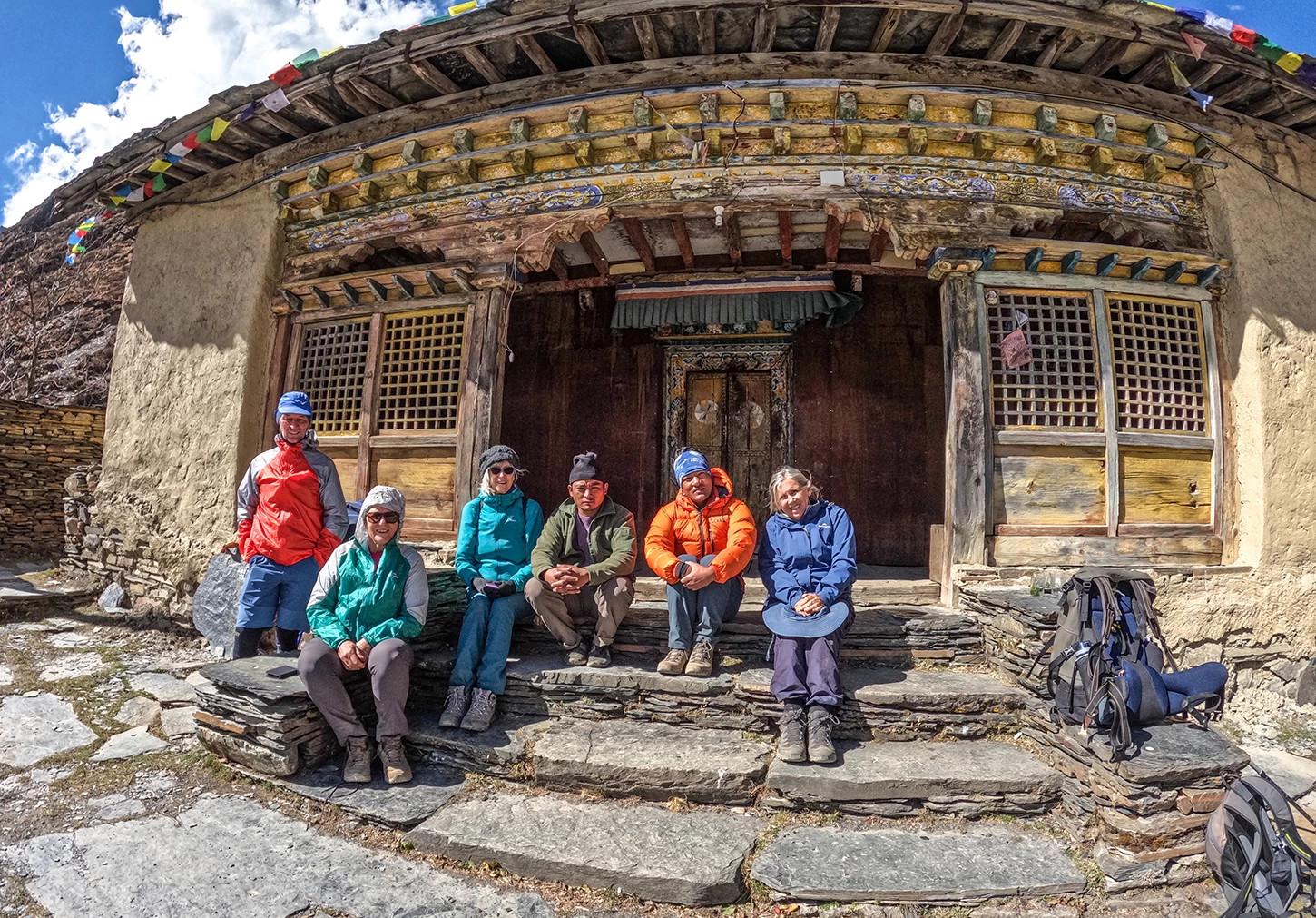
Mu Gumba, located in the upper valley, is particularly important for trekkers following the traditional Tsum Valley route. Rachen Gumba is another major spiritual centre and an important part of the cultural landscape.
Along the trail, travellers will also encounter mani walls, chortens and prayer flags. These are not merely decorative features. They are expressions of faith and should be treated respectfully.
Tsum Valley Trek: What Is the Journey Like?
The Tsum Valley Trek is a remote Himalayan adventure that normally begins after travelling from Kathmandu toward the Manaslu region, eventually reaching the trailhead around the lower Budhi Gandaki Valley. From there, the route gradually enters the secluded Tsum Valley.
The trail passes through forests, rivers, traditional villages and dramatic mountain landscapes before reaching the upper valley. Depending on the itinerary, trekkers visit important settlements and monasteries before returning through the valley and continuing or connecting with the wider Manaslu Circuit.
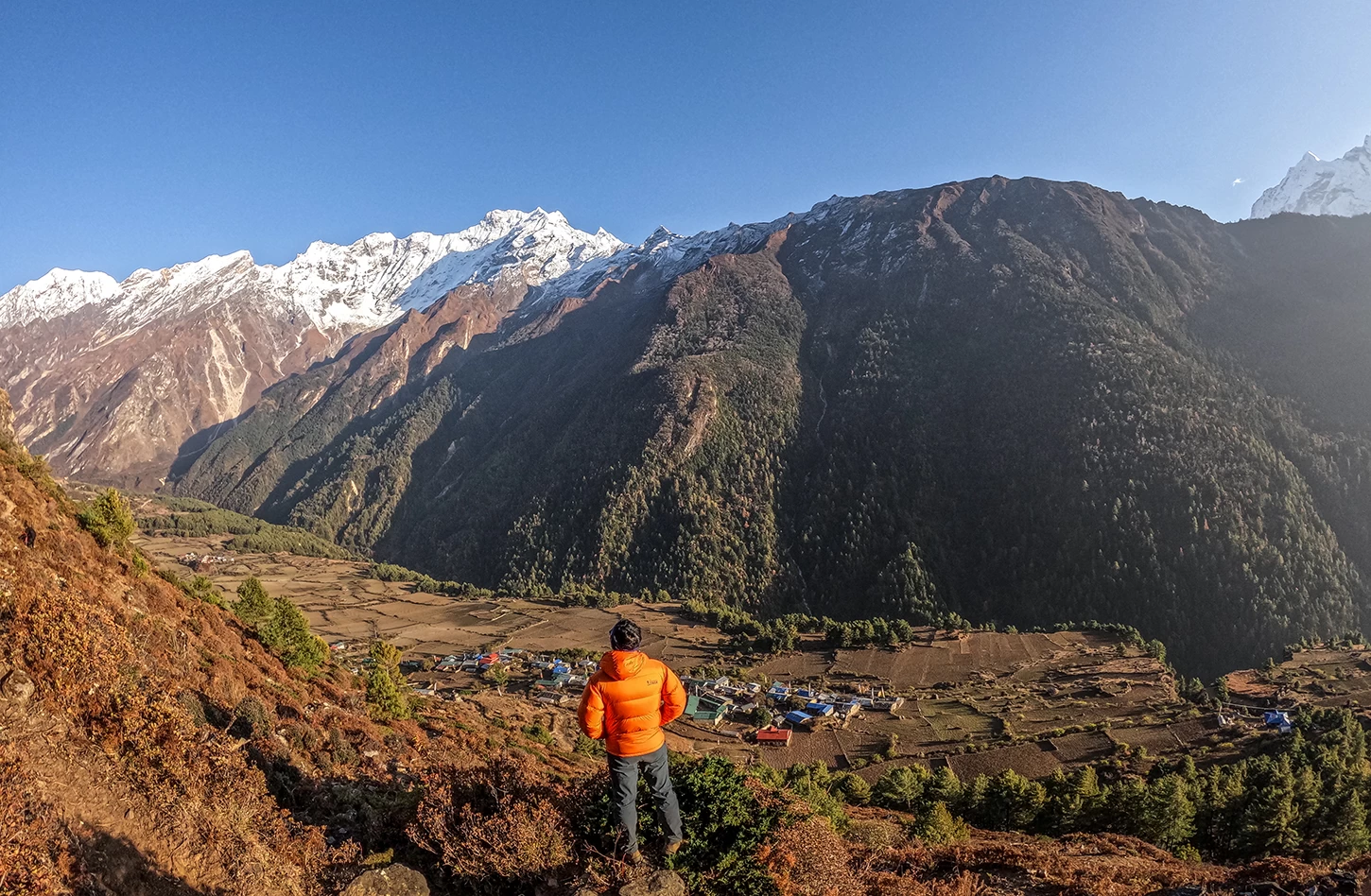
The exact itinerary varies according to the trekking company, road conditions, acclimatization needs and whether you combine Tsum Valley with the Manaslu Circuit. A dedicated Tsum Valley trek commonly takes around two weeks or more, while combining it with the Manaslu Circuit requires a substantially longer itinerary.
How to Get to Tsum Valley
Tsum Valley is a trekking destination rather than a place you can reach directly by commercial flight. Most journeys begin in Kathmandu, followed by a road journey toward the Gorkha/Manaslu region.
Road access has made the lower approach more convenient than in the past, but the journey can still be long and rough in sections. From the roadhead, trekkers continue on foot through the Budhi Gandaki Valley before taking the route toward Lokpa and the Tsum Valley.
The approach itself is part of the adventure. Instead of arriving directly beside the major attraction, you gradually move deeper into the mountains, watching the landscape and culture change as you gain altitude.
Tsum Valley Trek Permits
Because Tsum Valley is a Restricted Area, trekkers need a special restricted-area trekking permit. The Nepal Tourism Board states that special permits for restricted areas must be obtained through the Department of Immigration, and Tsum Valley is specifically listed among the restricted trekking areas.
The current rules also require trekkers on the Tsum Valley Trek to be accompanied by a licensed trekking guide and carry an agency-issued TIMS card under Nepal's revised TIMS provisions.
Because permit fees and regulations can change, travellers should confirm the current permit cost, TIMS requirements, conservation-area entry fees and documentation requirements with a registered trekking agency or the Nepal Tourism Board before departure.
Best Time to Visit Tsum Valley
The best seasons for the Tsum Valley Trek are generally spring and autumn. From March to May, the lower valleys become greener and warmer, while mountain views can be excellent. Autumn, particularly October and November, usually offers clear skies and stable trekking conditions after the monsoon.
Winter can bring cold temperatures and snow at higher elevations, while the summer monsoon can produce rain, clouds and difficult trail conditions in the lower valleys. Because Tsum is remote, weather and trail conditions should always be considered when planning the trek.
Why Visit Tsum Valley?
Tsum Valley is ideal for travellers who want to experience a quieter and more culturally immersive side of Nepal. It offers spectacular Himalayan scenery, but its greatest attraction may be the relationship between people, religion and nature.
Here, ancient monasteries stand beneath enormous mountains. Prayer flags move in the wind above traditional villages. Mani walls line the trails. Sacred caves preserve stories of Buddhist masters. Wildlife moves through landscapes protected by centuries-old traditions of non-violence.
And unlike some of Nepal's more famous trekking routes, Tsum still offers a strong feeling of discovery.
A Journey Into Nepal's Hidden Himalayas
Tsum Valley is not simply another trekking destination to add to a Nepal itinerary. It is a journey into a living Himalayan culture that has protected its identity through centuries of isolation.
You come for the mountains, but you stay fascinated by the people.
You come for the trekking, but you remember the monasteries.
You come looking for a hidden valley, but you discover something deeper, a landscape where Buddhist spirituality, Indigenous culture and conservation exist together.
Perhaps that is the true magic of Tsum.
Far from the crowds and surrounded by the great mountains of northern Gorkha, the valley invites travellers to slow down, walk quietly and experience the Himalayas not simply as a destination, but as a place of history, faith, nature and living culture.
If you are searching for a meaningful Himalayan adventure beyond Nepal's busiest trekking routes, Tsum Valley is a place worth discovering.