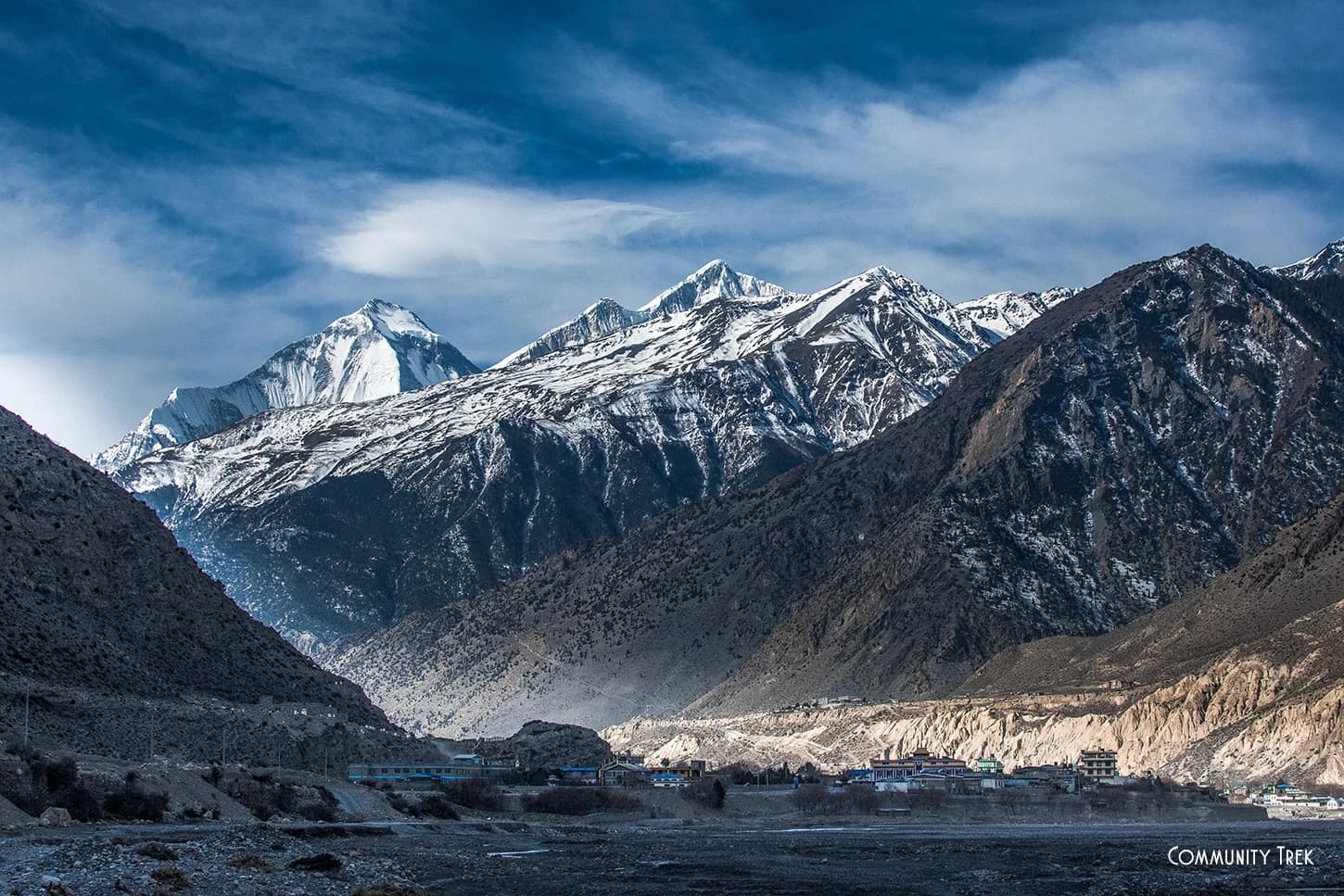
Upper Mustang Trek in Winter: A Complete Guide to Nepal’s Hidden Himalayan Kingdom
Winter transforms Upper Mustang into a completely different world. The famous red cliffs become sharper against clear blue skies, ancient villages feel wonderfully quiet, and the trails reveal a side of the Himalayas that few travelers experience.
Known as the “Last Forbidden Kingdom,” Upper Mustang is one of Nepal’s most culturally fascinating trekking destinations. Hidden behind the mountains of the Annapurna and Dhaulagiri ranges, this remote Himalayan region is famous for its dramatic desert landscapes, ancient caves, Tibetan Buddhist monasteries, medieval villages, and the walled city of Lo Manthang.
But is Upper Mustang Trek possible in winter? Yes—with careful planning, the right equipment, an experienced local guide, and realistic expectations. Winter is not the easiest season, but for adventurous travelers who want solitude, authentic mountain culture, and extraordinary landscapes, it can be one of the most rewarding times to visit.
Why Trek Upper Mustang in Winter?
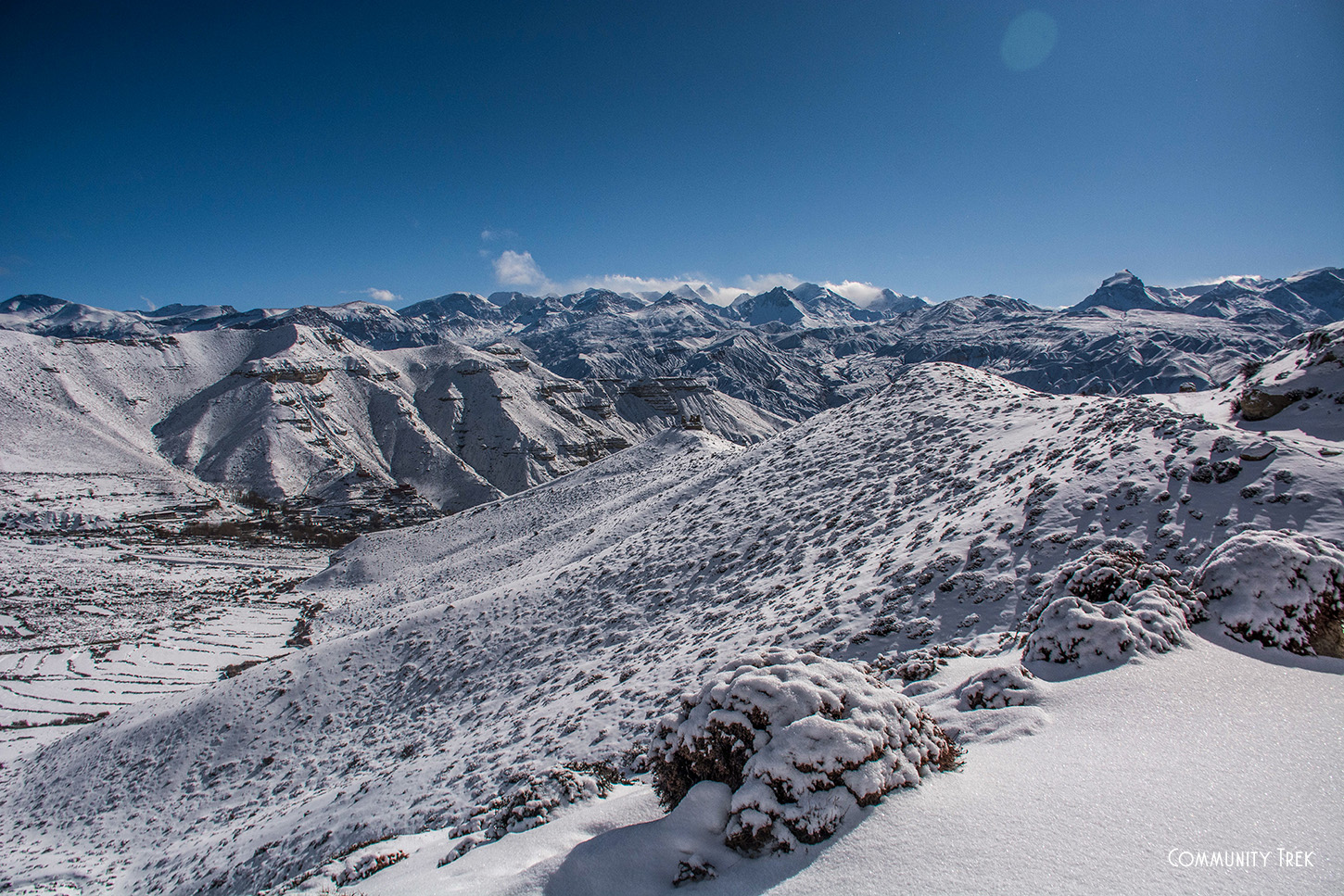
Most travelers visit Upper Mustang during spring or autumn, when the weather is more comfortable and trekking services are widely available. Winter, however, offers something different: peace, authenticity, crystal-clear mountain views, and a rare glimpse into Himalayan life during its harshest season.
The number of trekkers drops dramatically after the main trekking seasons. Trails become quieter, villages more peaceful, and popular attractions such as Lo Manthang, Ghami, Tsarang, and ancient cave sites can feel almost completely untouched.
Winter also brings exceptionally clear mountain scenery. With dry air and little atmospheric haze, the surrounding peaks and barren Himalayan landscapes can appear remarkably sharp.
For travelers willing to embrace the cold, winter is less about following the usual tourist route and more about experiencing Upper Mustang as it really is.
What Makes Upper Mustang So Special?
Upper Mustang is unlike almost anywhere else in Nepal.
Instead of dense forests and green valleys, the landscape is dominated by high-altitude desert, wind-carved cliffs, deep gorges, barren hills, and colorful rock formations. The region's Tibetan-influenced culture adds another layer of fascination.
Along the trek, you can discover:
- The medieval walled city of Lo Manthang
- Ancient Buddhist monasteries and chortens
- Centuries-old Tibetan villages
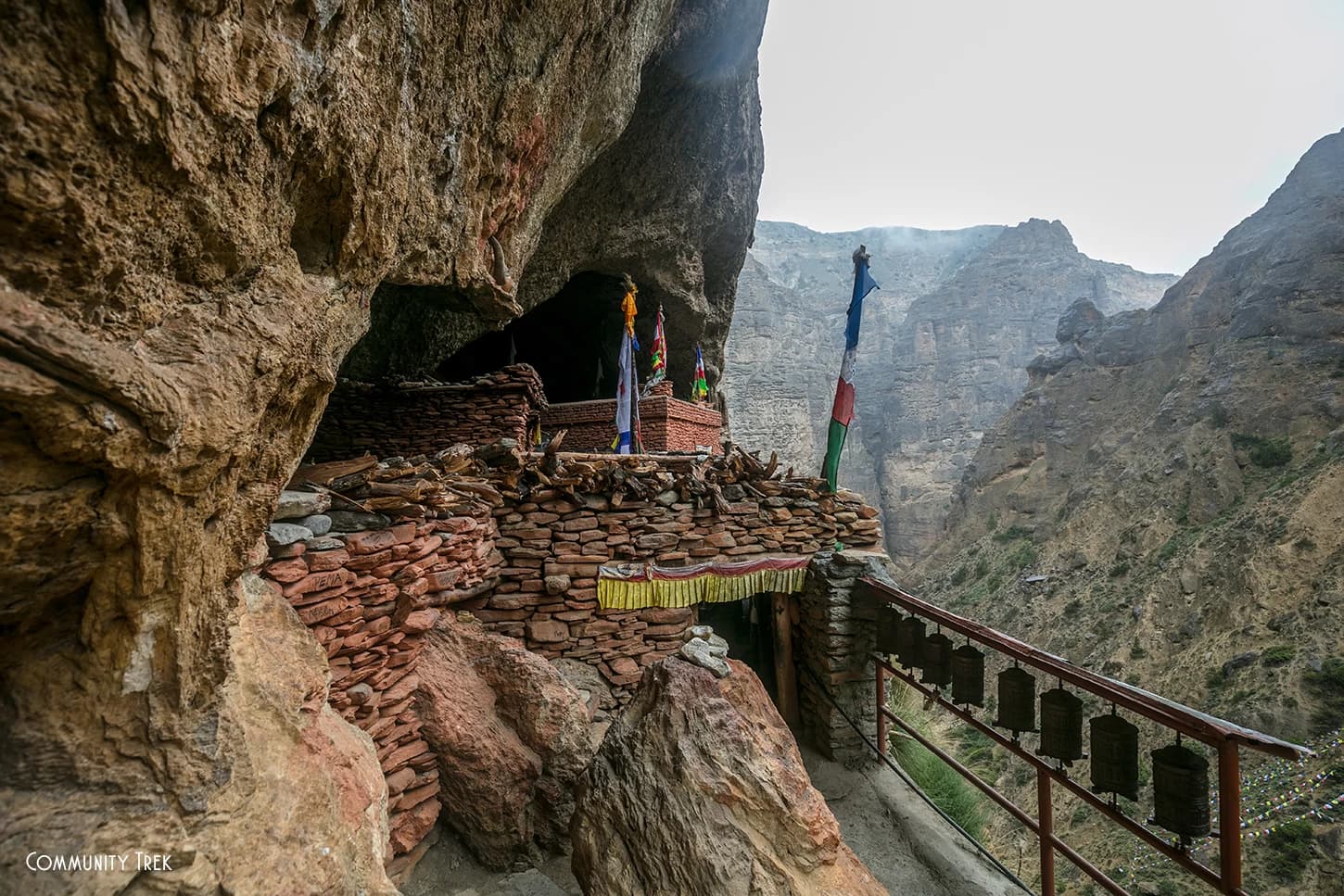
- Mysterious caves carved into towering cliffs
- Traditional mud-brick houses
- Dramatic Kali Gandaki landscapes
- Panoramic views of Nilgiri, Annapurna, Dhaulagiri, and other Himalayan peaks
- Ancient Buddhist art, murals, and religious traditions
- A distinctive Himalayan lifestyle shaped by centuries of isolation
The combination of landscape, history, spirituality, and living culture is what makes Upper Mustang so compelling.
Winter Life in Upper Mustang
Winter is not simply a colder version of the trekking season. It changes everyday life.
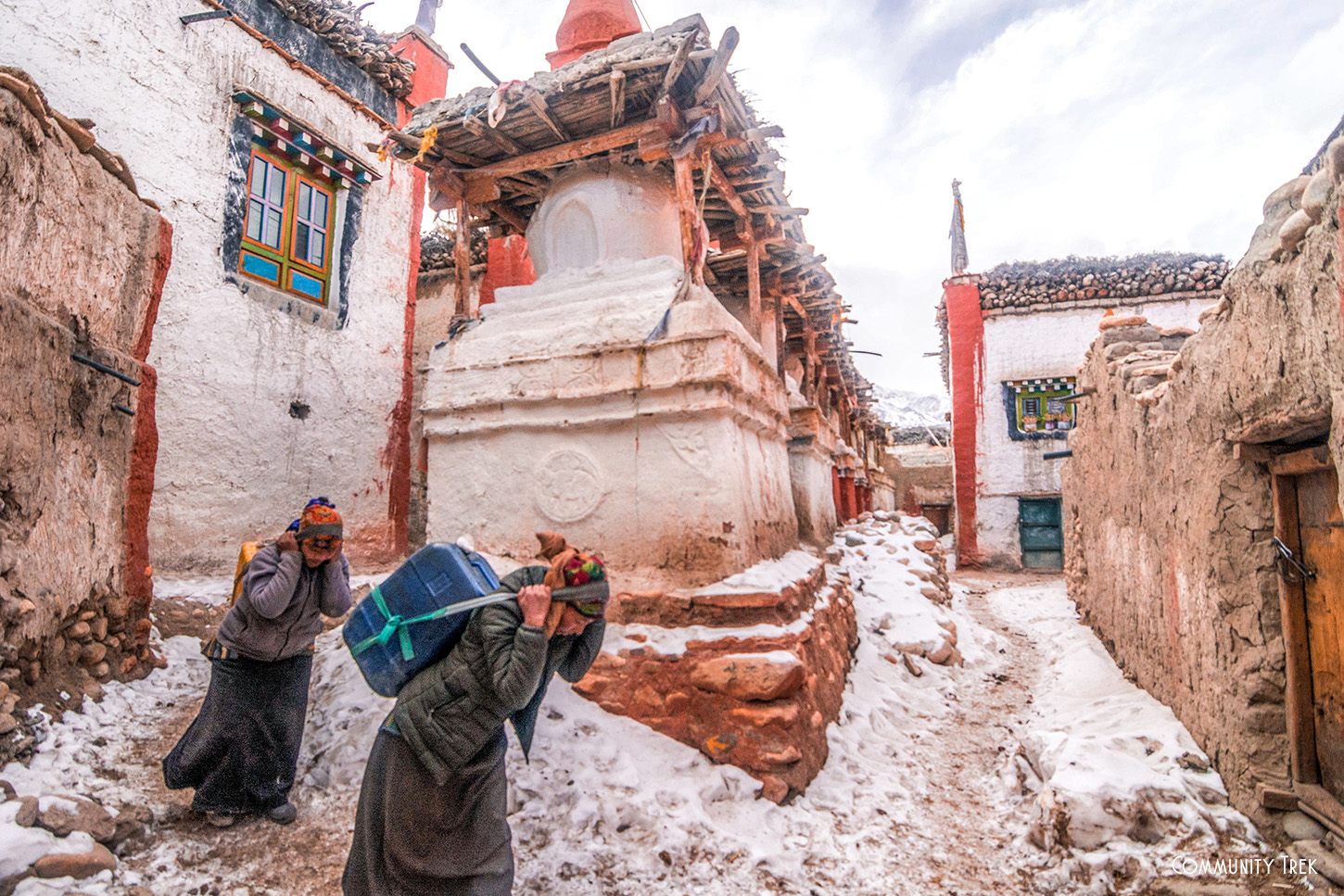
Temperatures can fall well below freezing, particularly at night and at higher elevations. In some areas, water sources freeze, roads become difficult to use, and many tourism businesses close for the season.
Some residents traditionally move toward warmer parts of the region or lower elevations during the coldest months, while others remain behind to care for homes, livestock, farms, and community responsibilities.
For visitors, witnessing this seasonal rhythm can be one of the most memorable parts of the journey.
You may wake to frozen water, icy trails, smoke rising from traditional homes, and a village that seems almost completely silent. Inside a simple lodge, however, a warm meal, a cup of tea, and conversation around a stove can make the experience surprisingly intimate.
This is Upper Mustang beyond tourism.
Upper Mustang Winter Weather
Winter generally brings cold, dry conditions to Upper Mustang.
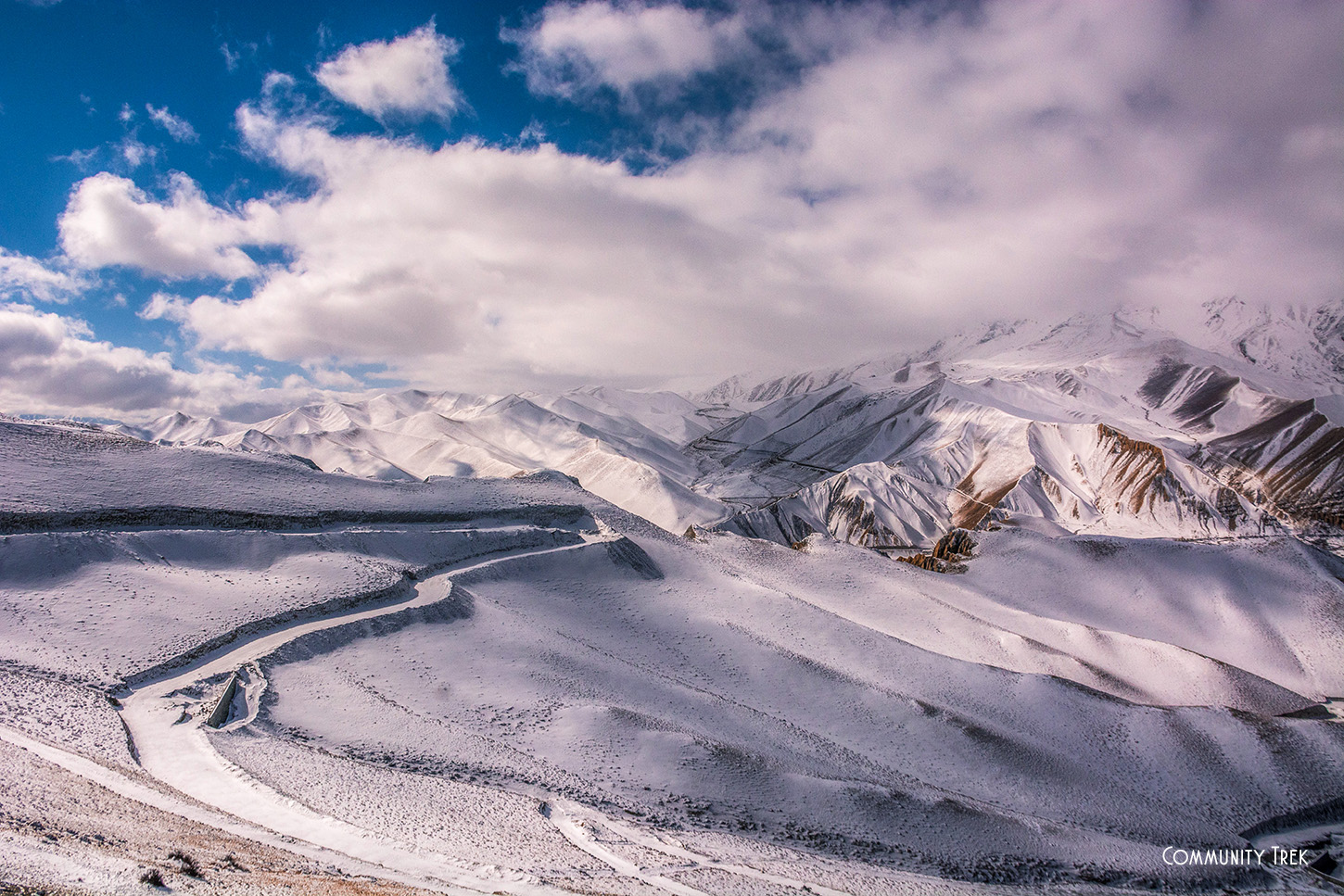
Daytime can be sunny and surprisingly pleasant when the sun is out, but temperatures drop quickly after sunset. At higher elevations, nighttime temperatures can become extremely cold, and temperatures around -10°C to -20°C or lower are possible during particularly cold periods.
Snow is possible, although Upper Mustang is located in the rain-shadow region of the Himalayas and is considerably drier than many other parts of Nepal.
The biggest challenge is often not snowfall but freezing temperatures, icy water, strong winds, and limited services.
What Winter Days Can Feel Like
A typical winter day may begin with a very cold morning. As the sun rises, the landscape slowly warms, making trekking more comfortable during the middle of the day. By late afternoon, temperatures begin falling rapidly.
This makes an early start important.
The reward is spectacular: clear skies, dramatic shadows across the cliffs, and golden sunlight illuminating the Himalayan desert.
Is Upper Mustang Trek Difficult in Winter?
The standard Upper Mustang trek is generally considered a moderate trek, but winter conditions can make it significantly more demanding.
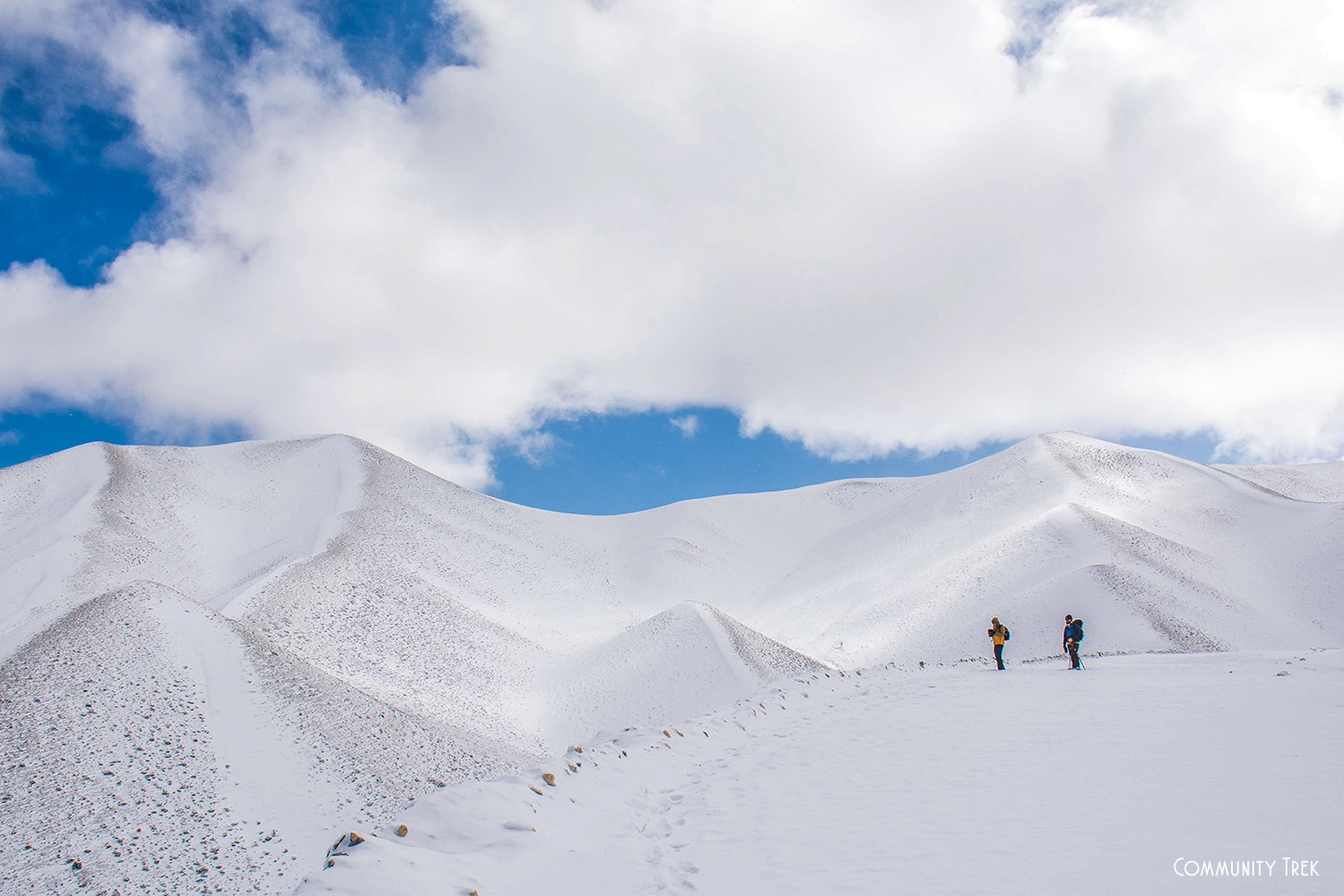
The highest point on many standard itineraries is around 4,000 meters, depending on the route and side trips. The challenge comes not only from altitude but also from cold, wind, icy trails, limited accommodation, and possible transportation disruptions.
Winter Upper Mustang is therefore best suited to travelers who are:
- Comfortable with cold weather
- Physically prepared for several hours of walking each day
- Flexible with changing plans
- Comfortable with simple accommodation
- Prepared for limited hot water and electricity
- Traveling with an experienced local guide
You do not need to be an extreme mountaineer, but you should be prepared for a genuine Himalayan adventure.
Accommodation During Winter
Accommodation is one of the most important things to consider before planning a winter trek in Upper Mustang.
During the main trekking seasons, many teahouses and lodges operate along the route. In winter, however, many close temporarily, particularly in remote villages.
Some villages may have only one lodge open, while others may have very limited facilities.
This means you should not approach a winter trek with the expectation that accommodation will be available everywhere exactly as it is during spring or autumn.
A good local trekking agency or guide should confirm:
- Which lodges are open
- Where meals are available
- Whether rooms can be heated
- Hot shower availability
- Electricity and charging facilities
- Water availability
- Alternative accommodation if roads or trails become inaccessible
In some situations, guides may need to help prepare simple meals themselves. That is another reason experienced local support is particularly valuable in winter.
Food and Water in Winter
Food choices can also be more limited during the winter months.
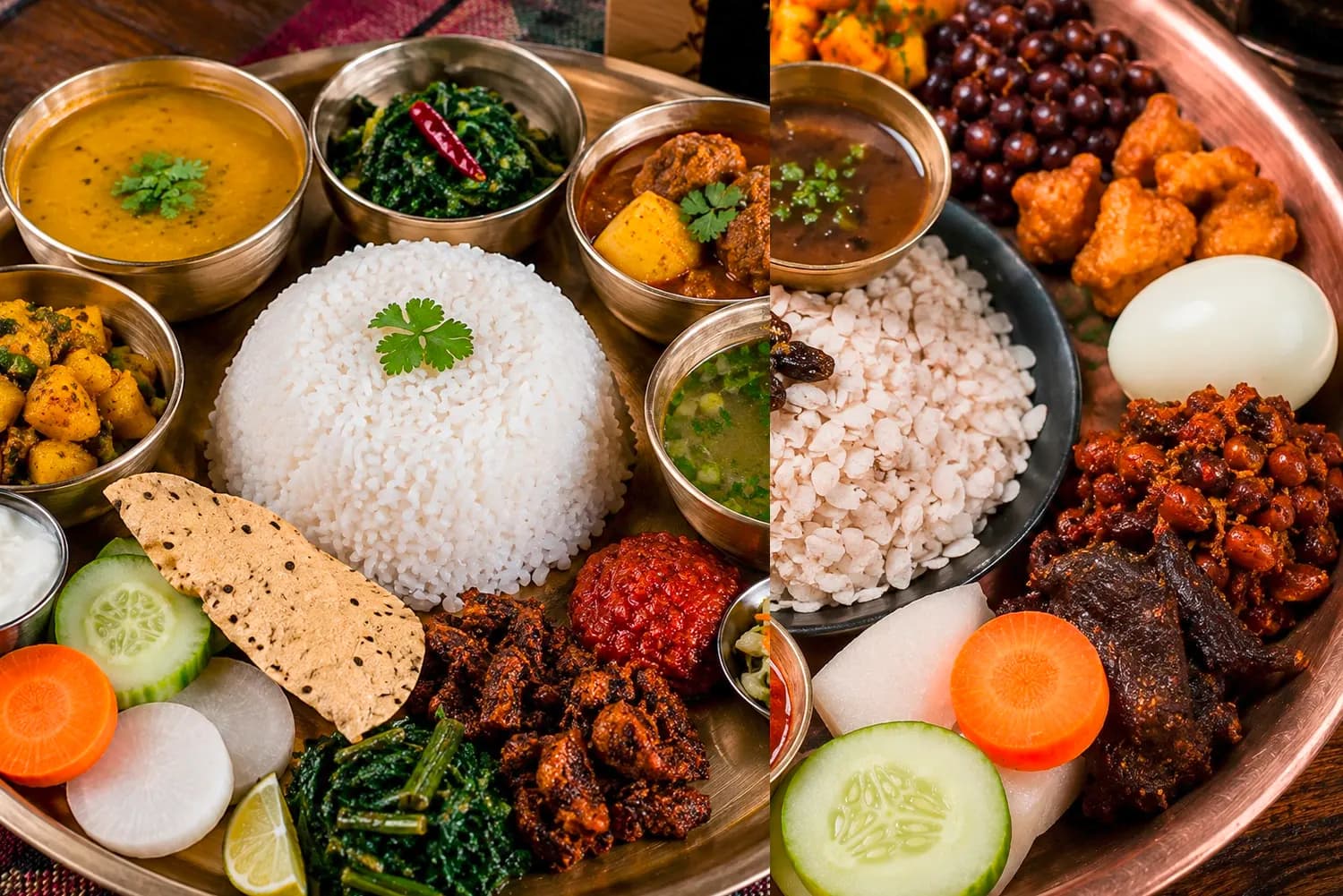
Common trekking meals such as dal bhat, noodles, soups, potatoes, eggs, momos, and Tibetan-style dishes may still be available, but the variety can be smaller than during peak season.
Dal bhat remains one of the best trekking meals because it provides plenty of carbohydrates and energy for long walking days.
Water requires special attention.
Freezing temperatures can turn ordinary water collection into a daily challenge. Some sources may freeze, meaning locals and trekking crews sometimes need to break ice or melt it before use.
Carry a reusable bottle or insulated flask, and follow your guide's advice about safe drinking water.
Winter Road Conditions in Upper Mustang
Upper Mustang is now connected by road, and road travel has changed access to the region significantly.
However, winter can make transportation unpredictable.
Frozen rivers, icy roads, landslides, mechanical problems, and poor conditions can cause delays. A road that is passable one day may become difficult the next.
For this reason, build flexibility into your itinerary.
Do not plan a winter Upper Mustang trip around a schedule that leaves no room for delays. Your guide or local operator should check current road conditions before each major transfer.
Flying to Jomsom in Winter
One common approach to Upper Mustang is flying from Pokhara to Jomsom, followed by trekking or driving onward toward Kagbeni and Upper Mustang.
Winter mornings can sometimes provide excellent visibility, but mountain flights remain highly dependent on weather and operating conditions.
If a flight is delayed or canceled, your itinerary should have enough flexibility to accommodate the change.
An alternative is to travel by road, although this also comes with its own winter challenges.
Best Time for an Upper Mustang Winter Trek
The winter season generally covers December, January, and February, with conditions becoming increasingly cold during the core winter months.
For travelers who want winter scenery but slightly more manageable conditions, the beginning or end of winter can be preferable to the coldest part of January.
However, there is no single “best” winter date for everyone.
If your priority is:
Maximum solitude: choose the core winter period.
More manageable temperatures: consider early December or late February.
Reliable trekking services: spring and autumn remain better choices.
Winter should be chosen because you specifically want the winter experience—not simply because you want to avoid crowds.
What to Pack for Upper Mustang in Winter
Packing correctly can make the difference between an enjoyable adventure and an uncomfortable one.
Essential winter trekking gear includes:
- Warm down jacket
- Thermal base layers
- Fleece or insulating mid-layer
- Waterproof and windproof outer layer
- Warm trekking trousers
- Thermal leggings
- Wool or insulated socks
- Warm gloves
- Hat or beanie
- Buff or neck warmer
- Sunglasses with strong UV protection
- Sunscreen and lip balm
- Warm sleeping bag suitable for sub-zero temperatures
- Insulated water bottle
- Headlamp
- Trekking poles
- Sturdy trekking boots with good grip
- Personal first-aid supplies
- Power bank and charging cables
- Water purification tablets or a suitable filtration method
Do not underestimate the importance of a good sleeping bag. A cold night in a mountain lodge can feel much colder than the same temperature during the day.
Permits for Upper Mustang Trek
Upper Mustang is a restricted trekking region, so travelers need the appropriate permits and must follow Nepal's current regulations for restricted areas.
Because permit rules, fees, and trekking requirements can change, arrange the necessary permits through a registered trekking agency and verify the latest requirements before departure.
Your trekking agency should also handle the necessary documentation and explain any current guide or group requirements.
Upper Mustang Winter Trek Cost
The total cost of a winter Upper Mustang trek depends on the itinerary, transportation, accommodation, group size, permit requirements, guide and porter services, and whether you choose a standard or more comfortable package.
As a broad planning estimate, a two-week Upper Mustang trek can cost around USD 2,000–2,500 per person for an all-inclusive organized trip, although actual prices vary.
A package may include:
- Restricted-area and conservation permits
- Licensed trekking guide
- Porter services
- Accommodation
- Meals during the trek
- Domestic flights or ground transportation
- Kathmandu/Pokhara transfers
- Necessary trekking logistics
Winter can sometimes cost more than expected because fewer lodges and transportation services are operating.
Always ask for a detailed cost breakdown before booking.
Suggested Upper Mustang Winter Trek Route
A classic itinerary may include:
Kathmandu → Pokhara → Jomsom → Kagbeni → Chele → Syangboche → Ghami → Tsarang → Lo Manthang → return toward Jomsom → Pokhara → Kathmandu
The exact route can be adjusted depending on road conditions, accommodation availability, weather, and the traveler's interests.
Allowing around 12–16 days is a comfortable starting point for planning, especially if you want time for acclimatization and cultural exploration.
Do not rush Upper Mustang.
The most rewarding moments are often not found by walking farther each day, but by slowing down enough to explore a monastery, talk with local residents, photograph an ancient village, or watch the evening light move across the cliffs.
Highlights You Should Not Miss
Upper Mustang is far more than a spectacular trekking destination. It is a living Himalayan heritage landscape where ancient monasteries, mysterious cliff caves, medieval villages, and Tibetan Buddhist traditions come together. Along the Upper Mustang Trek, these are the places and experiences you should not miss.
Lo Manthang - The Walled City of Mustang
The historic walled city of Lo Manthang is the cultural heart of Upper Mustang. Its narrow lanes, traditional whitewashed houses, ancient monasteries, and distinctive architecture reveal centuries of Tibetan-influenced history.
Among its most important cultural treasures are Jampa Lhakhang and Thubchen Monastery, both associated with the 15th-century walled-city complex. Their ancient artwork, murals, sculptures, and religious atmosphere make Lo Manthang one of the most fascinating cultural destinations in the Himalayas.
Ghar Gompa (Lo Ghyekar) - One of Mustang's Oldest Sacred Sites
Located near Marpha? Actually, Ghar Gompa (Lo Ghyekar) lies in the Lo Gekar area of Upper Mustang and is traditionally associated with Guru Rinpoche (Padmasambhava).
Dating to the 8th century, Ghar Gompa is regarded as one of the oldest monasteries in Mustang. According to local Buddhist tradition, Guru Rinpoche meditated here while spreading Buddhism across the region.
The monastery's ancient religious atmosphere, traditional architecture, and surrounding barren cliffs make it a particularly meaningful stop for travelers interested in Himalayan spirituality and history.
Chungsi Cave - A Sacred Cave of Guru Rinpoche
Chungsi Cave is one of the most remarkable spiritual sites in Upper Mustang. Hidden within a dramatic cliffside, the cave is traditionally linked with Guru Rinpoche, who is believed to have meditated here during the 8th century.
Reaching Chungsi Cave requires a rewarding detour from the main trekking route. The combination of the narrow trail, towering cliffs, sacred cave, and surrounding Himalayan landscape makes the journey feel like an adventure within the adventure.
For travelers interested in Buddhist heritage, Chungsi Cave is an unforgettable highlight.
Chusser - The Rock-Cliff Cave Landscape
The village of Chusser (Chhusang) is surrounded by some of Mustang's most striking rock formations and cliffside caves. Ancient caves appear high above the valley, carved directly into enormous walls of red, brown, and ochre rock.
These dramatic formations offer a glimpse into Mustang's mysterious past, when caves served different purposes including habitation, meditation, burial, and religious practice.
The landscape around Chusser is also one of the most photogenic sections of the trek.
Ancient Sky Caves and Cliffside Settlements
The mysterious caves scattered throughout Upper Mustang remain among the region's greatest attractions. Many are perched far above the valley floor, making them appear almost impossible to reach.
Their exact history and original purposes vary, adding an element of mystery to the landscape. Some were used as homes, meditation chambers, burial sites, or religious spaces.
Walking beneath these towering cliffs is one of the moments when Upper Mustang truly feels like another world.
Luri Gompa - A Monastery Hidden in the Cliffs
Luri Gompa is one of Upper Mustang's most extraordinary monasteries. Built dramatically into a cliffside, the monastery is reached by a remote trail through the barren Himalayan landscape.
Its secluded setting makes the journey particularly rewarding. The combination of ancient Buddhist heritage, cave architecture, and dramatic cliffs gives Luri Gompa an almost mystical atmosphere.
For travelers looking for a quieter and more adventurous cultural experience, Luri Gompa is a highlight worth adding to the itinerary.
Ghami - Traditional Mustang Village
Ghami is one of the most picturesque settlements on the Upper Mustang route. Its traditional mud-brick houses, barren hills, and famous mani wall create a beautiful contrast with the surrounding landscape.
Take time to explore the village on foot and observe its traditional architecture and everyday mountain life.
Tsarang - Ancient Monastery and Mustang Heritage
Tsarang, also known as Charang, is another important cultural stop. The village is known for its ancient monastery, traditional houses, old palace, and dramatic mountain surroundings.
It provides a fascinating transition between the southern villages and the cultural heartland around Lo Manthang.
The historic walled city of Lo Manthang is the cultural heart of Upper Mustang. Its narrow streets, whitewashed buildings, monasteries, and centuries-old traditions create an atmosphere unlike anywhere else in Nepal.
The cliff caves of Mustang remain among the region's greatest mysteries. Some were used for meditation, burial, habitation, or religious purposes over centuries.
Their location high above the valley floor makes them especially dramatic.
These traditional villages offer beautiful examples of Mustang architecture, Buddhist culture, prayer walls, monasteries, and mountain landscapes.
The Kali Gandaki corridor provides one of the most dramatic natural settings in the region, surrounded by towering cliffs and Himalayan peaks.
Perhaps the greatest attraction is not a single landmark. It is the living culture—language, architecture, religion, farming traditions, festivals, food, and community life that have developed over generations.
Photography in Upper Mustang Winter
Winter can be an exceptional season for photography.
The low humidity and clear skies create strong visibility, while the low winter sun produces long shadows across the cliffs and valleys.
Great subjects include:
- Lo Manthang's ancient streets
- Monasteries and prayer wheels
- Traditional mud houses
- Cliff caves
- Snow-dusted mountains
- Local life and winter activities
- Kali Gandaki landscapes
- Sunrise and sunset over the Mustang cliffs
Always ask permission before photographing people, particularly during religious ceremonies or inside monasteries.
Who Should Visit Upper Mustang in Winter?
Winter Upper Mustang is ideal for travelers who value solitude, culture, photography, adventure, and authentic experiences more than comfort.
It is especially appealing to:
- Experienced trekkers
- Photographers
- Culture-focused travelers
- Adventure travelers
- Repeat visitors to Nepal
- Travelers looking for fewer crowds
- People interested in Tibetan Buddhist heritage
- Travelers who enjoy remote mountain environments
It may not be the best choice for travelers who expect comfortable hotels, reliable hot showers, extensive food choices, or predictable transportation.
Practical Tips for a Successful Winter Trek
Start early each day. Morning temperatures are very cold, but the sun can make daytime trekking more pleasant.
Keep water from freezing. Carry your bottle inside your jacket or use an insulated flask.
Layer your clothing. Conditions can change dramatically between morning, midday, and evening.
Keep electronics warm. Batteries drain faster in freezing temperatures. Carry spare batteries or a power bank and keep them protected from the cold.
Allow extra days. Flights and roads may be affected by winter conditions.
Book accommodation in advance. Do not assume every lodge will be open.
Travel with a knowledgeable local guide. Winter conditions require better local judgment than the standard trekking season.
Respect local winter life. Remember that Upper Mustang is a living community, not simply a trekking destination.
Upper Mustang Trek in Winter vs. Spring and Autumn
| Feature | Winter | Spring/Autumn |
|---|---|---|
| Crowds | Very low | Moderate to high |
| Weather | Very cold and dry | More comfortable |
| Mountain visibility | Often excellent | Generally excellent |
| Accommodation | Limited | More widely available |
| Transportation | More unpredictable | More reliable |
| Cultural experience | Very authentic and quiet | More active |
| Trekking comfort | Challenging | Easier |
| Photography | Exceptional winter atmosphere | Excellent |
| Overall experience | Remote and adventurous | More convenient |
If your priority is comfort and reliable services, choose spring or autumn.
If your priority is solitude and a rare Himalayan experience, winter may be exactly what you are looking for.
Is Upper Mustang Worth Visiting in Winter?
Absolutely, but only if you understand what you are signing up for.
Winter Upper Mustang is not a luxury holiday. It is cold, remote, quiet, and sometimes unpredictable. Yet those same qualities make it extraordinary.
Imagine walking through a centuries-old Himalayan village with no crowds around you. Imagine the sound of prayer flags moving in the winter wind, ancient monasteries standing against barren cliffs, and the mountains glowing beneath a perfectly clear sky.
That is the magic of Upper Mustang in winter.
The region asks you to slow down, adapt to its rhythm, and accept a little discomfort. In return, it offers something increasingly rare in modern travel: silence, authenticity, solitude, and a deep connection with Himalayan culture.
Final Thoughts: Should You Trek Upper Mustang in Winter?
If you are searching for a Himalayan adventure beyond the ordinary, Upper Mustang in winter deserves a place on your Nepal travel list.
The cold may test you. Some roads may be difficult. A lodge may have fewer facilities than expected. A flight may be delayed. But these challenges are part of what makes the journey meaningful.
Winter reveals a quieter Mustang, a Mustang of frozen streams, smoke-filled homes, ancient monasteries, empty trails, brilliant blue skies, and resilient mountain communities.
Come prepared, travel responsibly, remain flexible, and give yourself enough time to experience the region rather than simply pass through it.
Upper Mustang in winter is not just a trek. It is a journey into one of Nepal's most fascinating landscapes and living cultures, an experience that stays with you long after you leave the mountains.