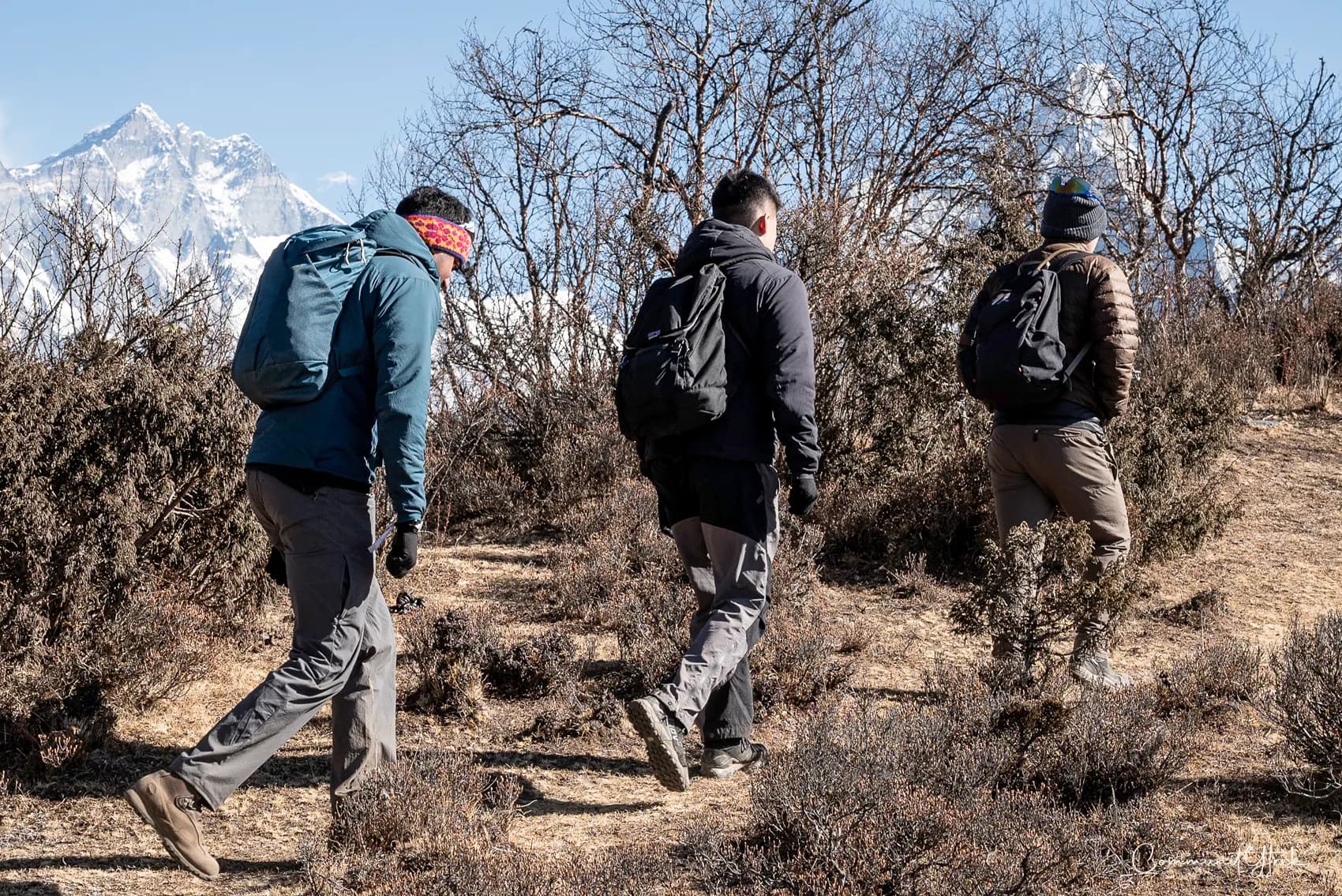
Pack smart, trek comfortably, and enjoy every step through Nepal's breathtaking Himalayas with this complete trekking gear guide.
A Great Trek Begins Before You Reach the Mountains
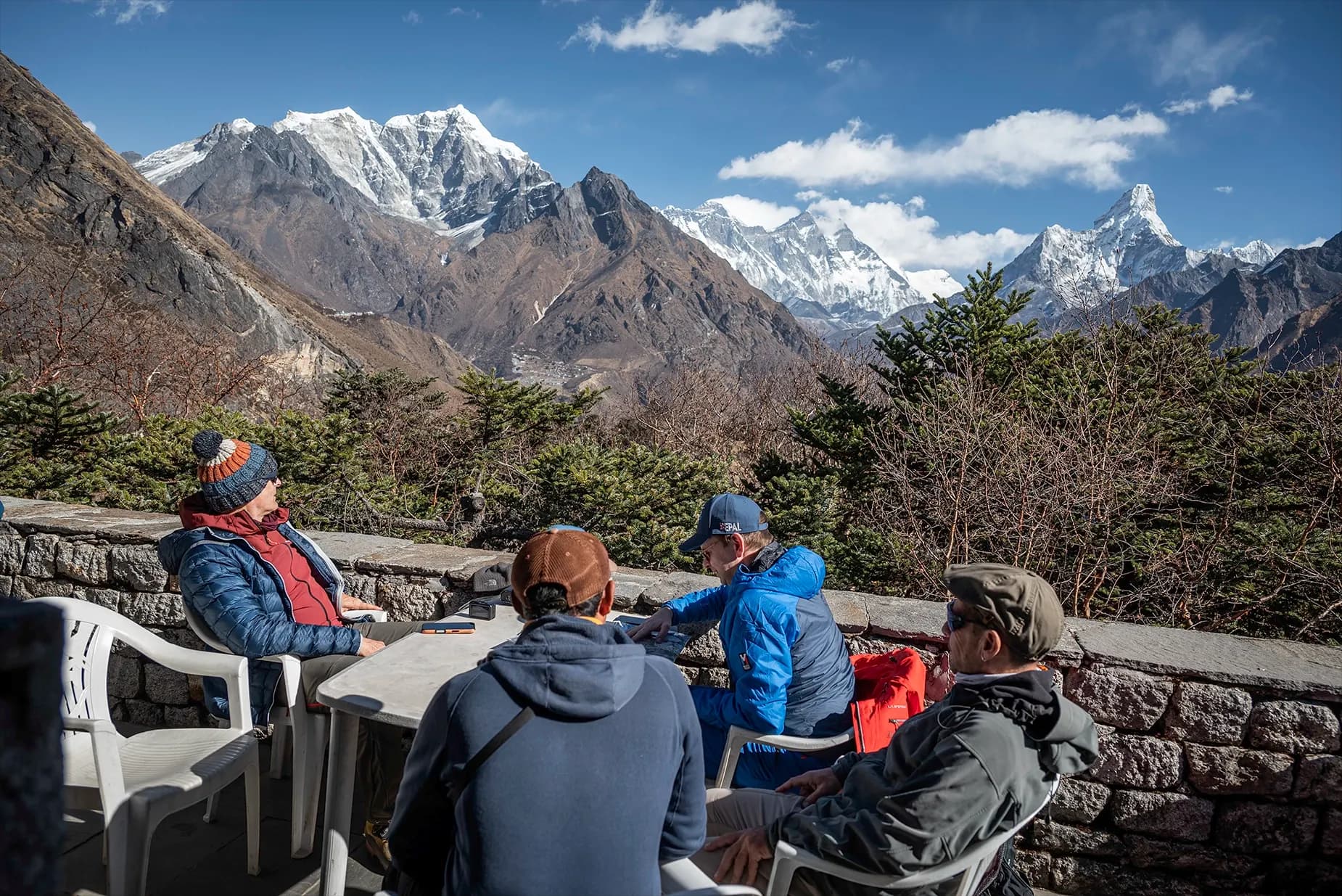
Standing beneath the towering peaks of the Himalayas is a dream for many travelers. Whether you're heading to Everest Base Camp, Annapurna Base Camp, Langtang Valley, Manaslu Circuit, or a short trek near Kathmandu, one thing can make or break your journey, packing the right gear.
Many first-time trekkers believe they need expensive equipment or a huge backpack. In reality, successful trekking is about packing smart, not heavy. Every item you carry should have a purpose, helping you stay comfortable, warm, and prepared for changing mountain conditions.
The weather in Nepal can change quickly. A sunny morning can become cloudy by afternoon, and temperatures can drop below freezing at higher elevations. Having the right clothing and equipment allows you to enjoy the journey with confidence.
This guide covers everything you need to pack for trekking in Nepal, whether you're planning a short lodge trek or a multi-day Himalayan adventure.
Dress in Layers, Not Heavy Clothes
One of the biggest mistakes beginners make is wearing one thick jacket all day.
In the Himalayas, layering is the secret to staying comfortable.
As you walk uphill, your body warms up quickly. During rest stops or evenings, temperatures drop rapidly. Layers allow you to adjust throughout the day without overheating or becoming cold.
A simple three-layer system works perfectly:
- Base Layer: Moisture-wicking thermal top and bottom
- Mid Layer: Fleece or lightweight insulated jacket
- Outer Layer: Waterproof and windproof shell jacket
This combination keeps you dry, warm, and comfortable in almost every trekking season.
Clothing Checklist
Pack lightweight clothing that dries quickly.
Upper Body
- Moisture-wicking trekking T-shirts (2–3)
- Thermal base layer
- Fleece jacket
- Lightweight down jacket
- Waterproof rain jacket
- Casual shirt for evenings
Lower Body
- Trekking pants (2 pairs)
- Thermal leggings
- Waterproof rain pants
- Comfortable shorts (summer trekking)
Underwear
- Moisture-wicking underwear (4–5)
- Sports bras (if needed)
Choose Comfortable Trekking Boots
Your boots are probably the most important item you bring.
Choose water-resistant trekking boots with good ankle support and wear them several times before arriving in Nepal. Never bring brand-new boots for your trek.
Also pack:
- Lightweight camp shoes or sandals
- 4–5 pairs of trekking socks
- Warm wool socks for evenings
Comfortable feet make every day on the trail more enjoyable.
Don't Forget the Small Essentials
It's often the smallest items that make the biggest difference.
Pack:
- Sun hat
- Warm wool hat
- Lightweight gloves
- Waterproof gloves (winter)
- Sunglasses with UV protection
- Neck buff or scarf
These simple accessories protect you from strong mountain sun, wind, dust, and cold mornings.
"The lighter your backpack, the more you'll notice the beauty around you."
Sleeping Gear
Most tea houses provide blankets, but temperatures can become very cold at higher elevations.
Bring:
- Four-season sleeping bag (-10°C to -15°C comfort rating)
- Sleeping bag liner (optional)
- Lightweight travel pillow (optional)
A warm night's sleep makes the next day's hike much easier.
Daypack Essentials
Your daypack should hold everything you'll need while walking.
Carry:
- Water bottles or hydration bladder (2–3 liters)
- Waterproof backpack cover
- Camera
- Power bank
- Charging cables
- Snacks
- Trekking map
- Passport copy
- Cash
- Lip balm
- Sunscreen (SPF 50+)
- Hand sanitizer
- Wet wipes
- Toilet paper
Keep your backpack organized so important items are easy to find.
Personal First Aid Kit
Most trekking guides carry emergency medical supplies, but every trekker should have a small personal kit.
Include:
- Personal medications
- Blister plasters
- Pain relief tablets
- Antiseptic cream
- Bandages
- Electrolyte powder
- Water purification tablets
- Motion sickness medicine
If you're trekking above 3,500 meters, discuss altitude medication with your doctor before traveling.
Trekking Equipment
These items make long trekking days much easier.
Recommended gear:
- Trekking poles
- Headlamp with spare batteries
- Reusable water bottles
- Dry bags
- Lightweight towel
- Multi-tool or pocket knife
- Camera or smartphone
Trekking poles are especially useful on steep descents and help reduce pressure on your knees.
Electronics
Electricity is available in most villages, although charging often requires a small fee.
Bring:
- Universal travel adapter
- Power bank
- Camera batteries
- Extra memory cards
- Charging cables
Cold weather drains batteries faster, so keep electronics inside your sleeping bag overnight.
Seasonal Packing Tips
Spring (March–May)
Expect warm days and cool evenings.
Bring:
- Lightweight clothing
- Rain jacket
- Down jacket for nights
Summer / Monsoon (June–August)
Rain is common in lower elevations.
Pack:
- Waterproof jacket
- Rain pants
- Waterproof backpack cover
- Quick-dry clothing
- Extra socks
Leeches can appear on forest trails, so lightweight gaiters or long socks are helpful on some routes.
Autumn (September–November)
The most popular trekking season.
Bring:
- Layered clothing
- Warm fleece
- Down jacket
- Gloves and hat for higher elevations
Winter (December–February)
Cold temperatures require extra insulation.
Pack:
- Heavy down jacket
- Thermal clothing
- Insulated gloves
- Warm hat
- Extra wool socks
What You Don't Need to Bring
Many travelers overpack.
Leave these at home:
- Too many clothes
- Heavy books
- Large bottles of toiletries
- Bulky electronics
- Extra shoes
- Unnecessary gadgets
Most tea houses offer laundry services on longer trekking routes, so you don't need fresh clothes for every day.
Can You Rent Trekking Gear in Nepal?
Yes.
Kathmandu and Pokhara have many outdoor shops where you can rent or buy trekking equipment, including:
- Sleeping bags
- Down jackets
- Trekking poles
- Duffel bags
- Crampons (for climbing trips)
Renting gear is an excellent option if you don't trek regularly.
Final Packing Tips
Before closing your backpack, ask yourself one simple question:
"Will I really use this?"
If the answer is no, leave it behind.
A lighter backpack means less fatigue, easier walking, and more energy to enjoy Nepal's spectacular mountains, welcoming villages, and unforgettable landscapes.
The Himalayas don't reward those who carry the most—they reward those who travel prepared, walk with curiosity, and appreciate every step of the journey.
Whether you're trekking to Everest Base Camp, crossing Larke Pass, exploring Upper Mustang, or enjoying a peaceful trail in the Annapurna or Langtang regions, packing wisely is the first step toward an unforgettable Himalayan adventure.