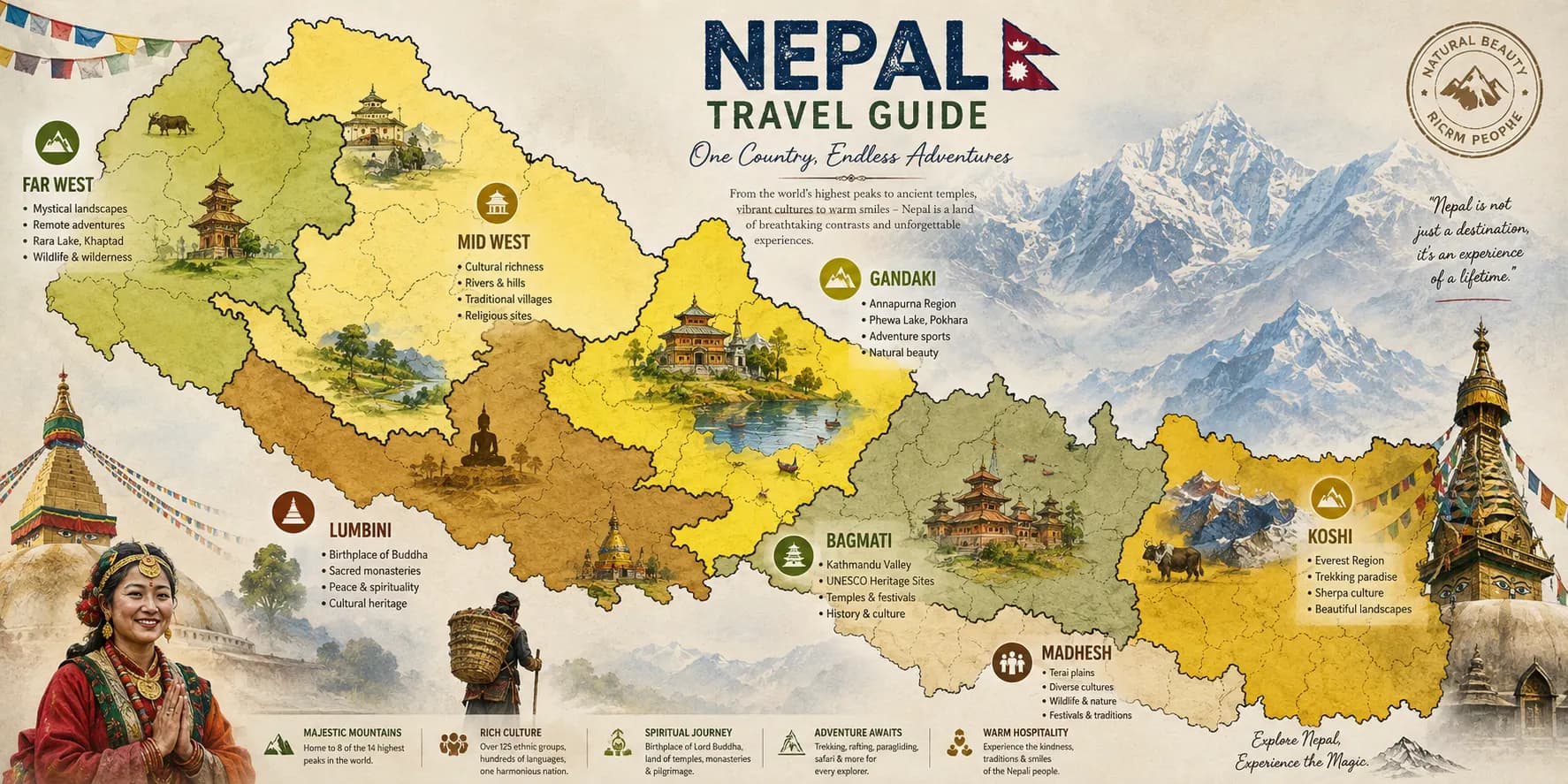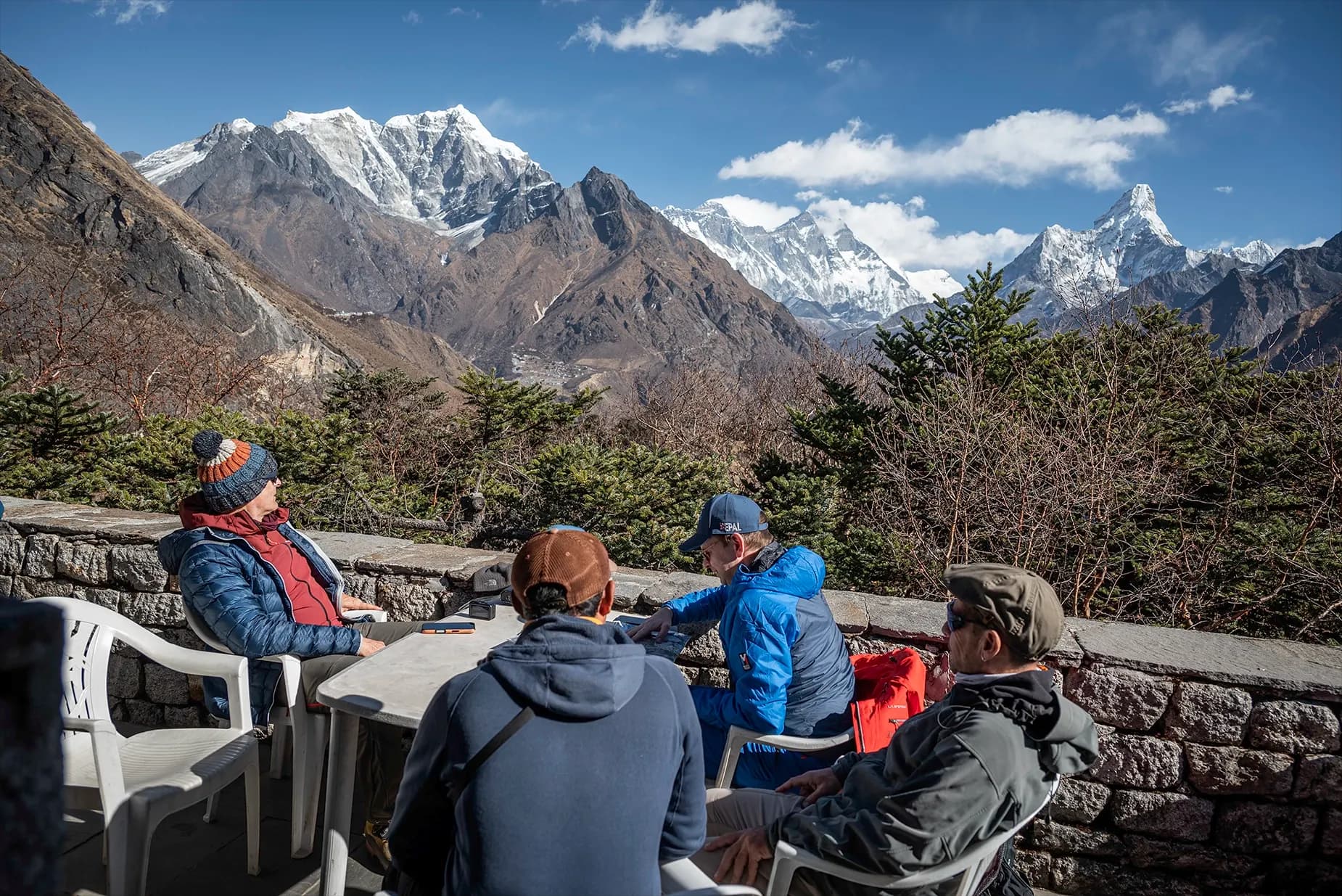
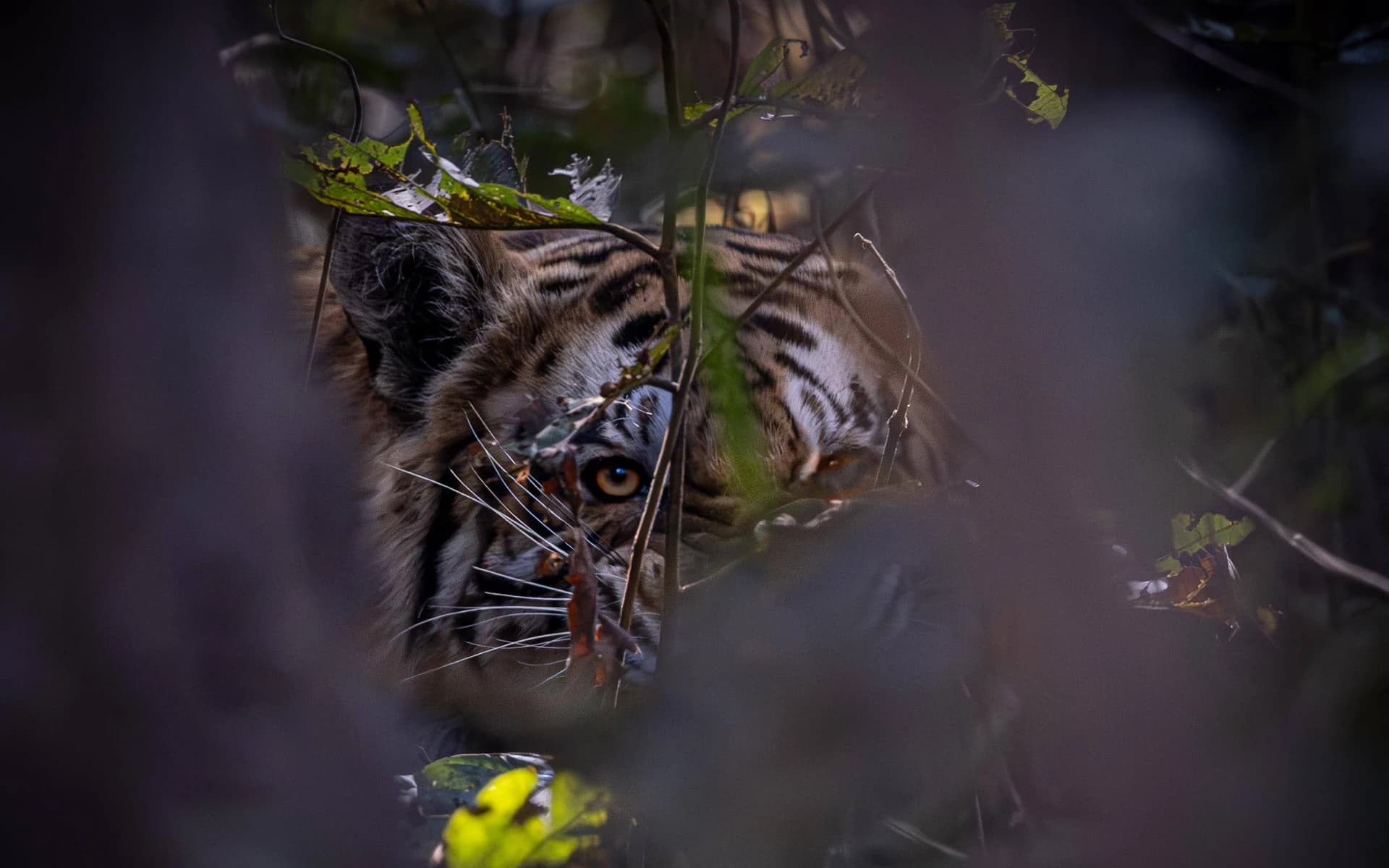
When most people think of Nepal, they picture Mount Everest, Himalayan trekking trails, prayer flags and snow-covered mountains. But Nepal has another side that is just as fascinating: its incredible wildlife and tropical forests.
From searching for the elusive Bengal tiger in the Terai to watching hundreds of bird species in peaceful wetlands, a Nepal wildlife safari offers a completely different way to experience the country.
In this journal, we explore five of the best wildlife safari destinations in Nepal, including Chitwan, Bardia, Koshi Tappu, Shivapuri Nagarjun and Parsa. Each destination has its own landscape, wildlife and atmosphere, making it worth visiting for a different reason.
If you are planning a trip to Nepal and want to experience more than the Himalayas, these wildlife destinations deserve a place on your itinerary.
1. Chitwan National Park: Nepal’s Most Famous Wildlife Safari
Located in the southern Terai region, Chitwan National Park is Nepal’s most famous wildlife destination and one of the best places in the country for a classic jungle safari.
Established in 1973, Chitwan covers around 952 square kilometres and was Nepal’s first national park. It was also listed as a UNESCO World Heritage Site in 1984.
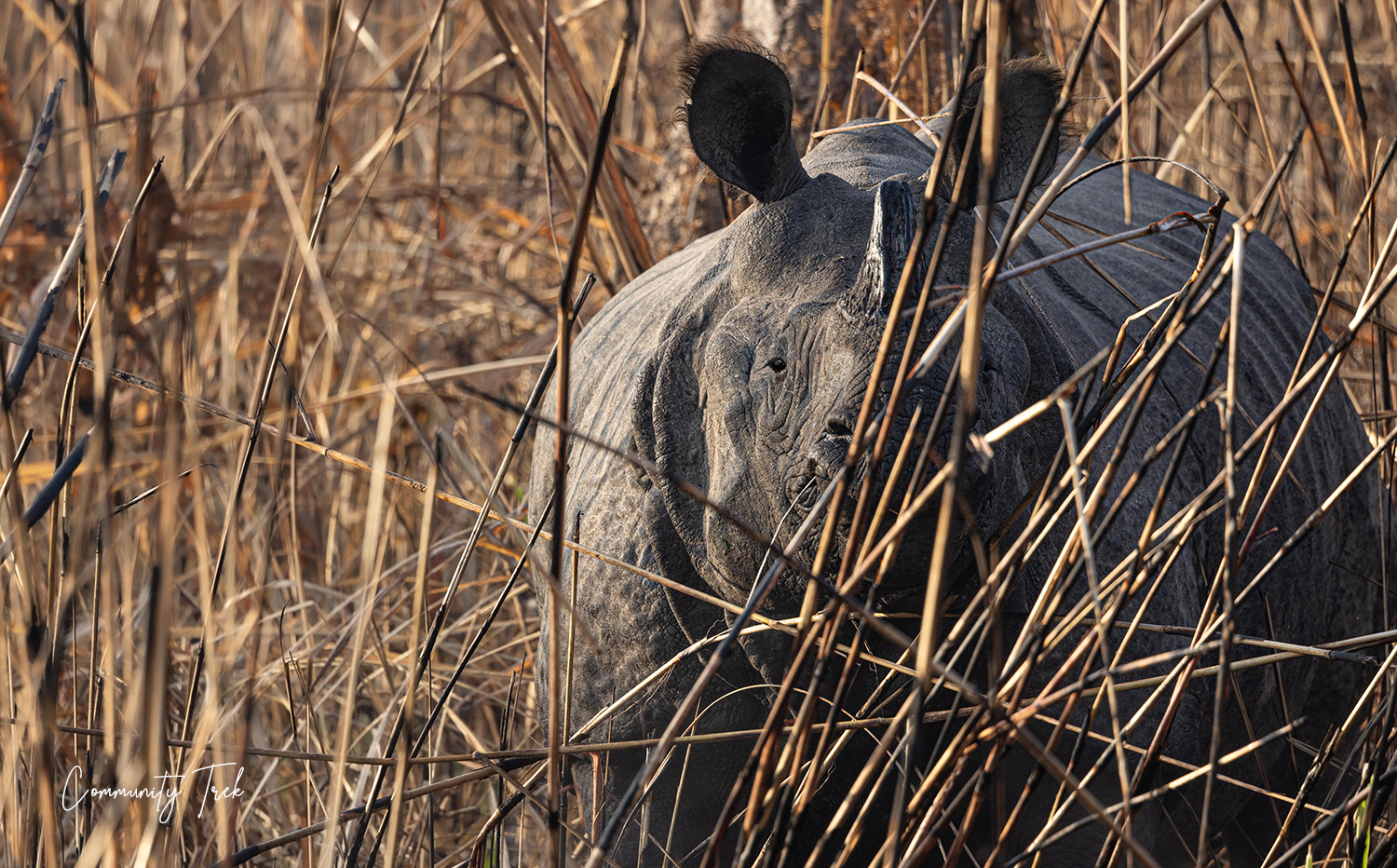
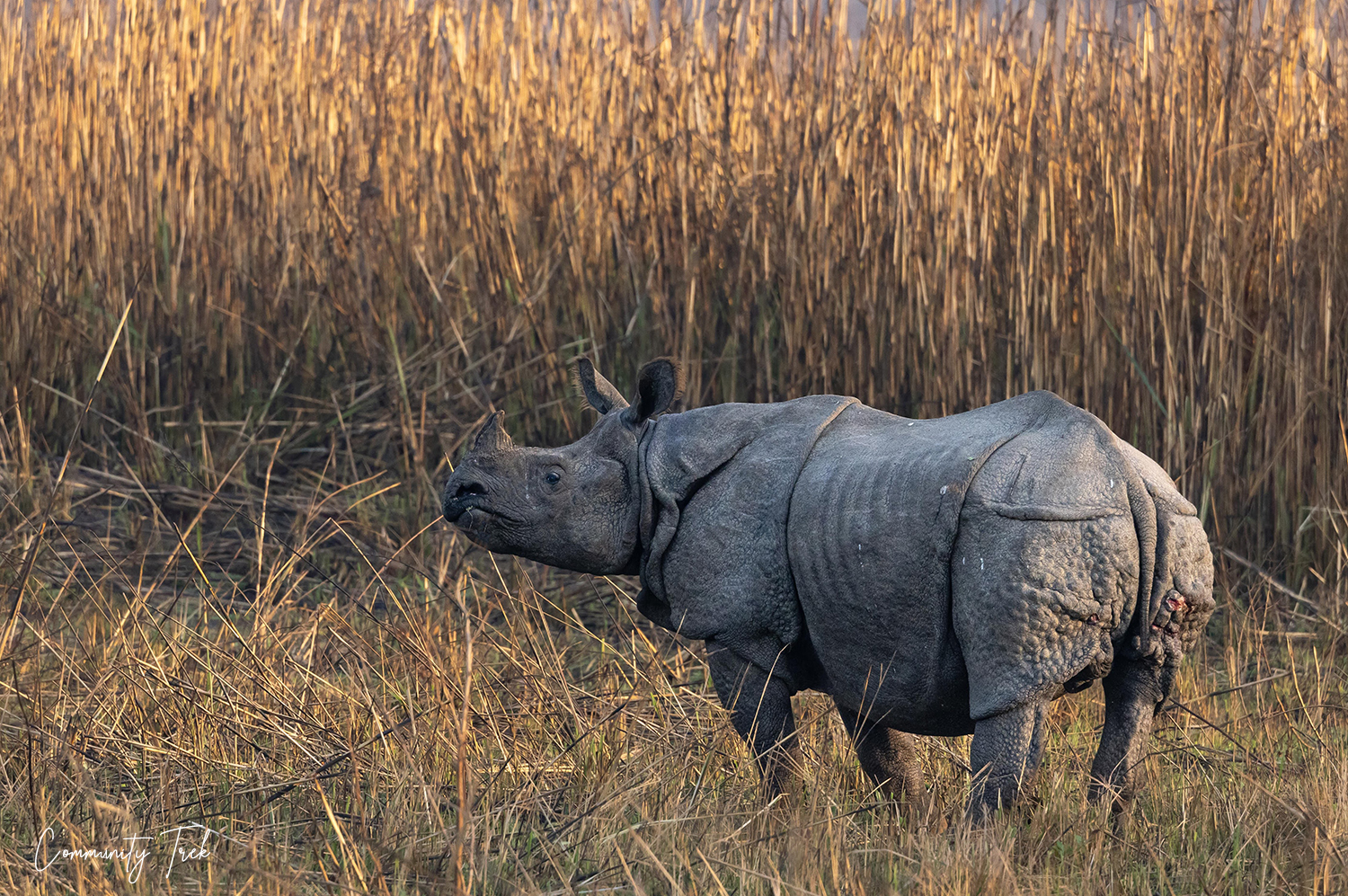
The park is particularly famous for its greater one-horned rhinoceros, Bengal tigers, wild elephants, sloth bears, leopards, crocodiles and hundreds of species of birds.
But wildlife spotting is only part of the experience.
A typical Chitwan visit can include a jeep safari, jungle walk, canoe ride, birdwatching and visits to nearby Tharu communities. Each activity gives you a different view of the park.
What makes Chitwan special?
The first time you see a one-horned rhinoceros standing quietly in the grassland, you quickly understand why people travel from around the world to visit Chitwan.
Early morning is particularly magical. The forest is cool and quiet, birds are calling from the trees, and there is always a feeling that something could appear around the next bend.
Chitwan is also an excellent destination for birdwatchers, with hundreds of recorded bird species.
After a day in the jungle, visitors can experience Tharu culture, including traditional villages, local food and cultural performances.
Best for: First-time safari visitors, families, wildlife lovers, photographers and travelers who want a combination of wildlife and culture.
2. Bardia National Park: A Wilder and Quieter Safari Experience
If Chitwan is Nepal's most famous safari destination, Bardia National Park is the place to go when you want a quieter and more remote wilderness experience.
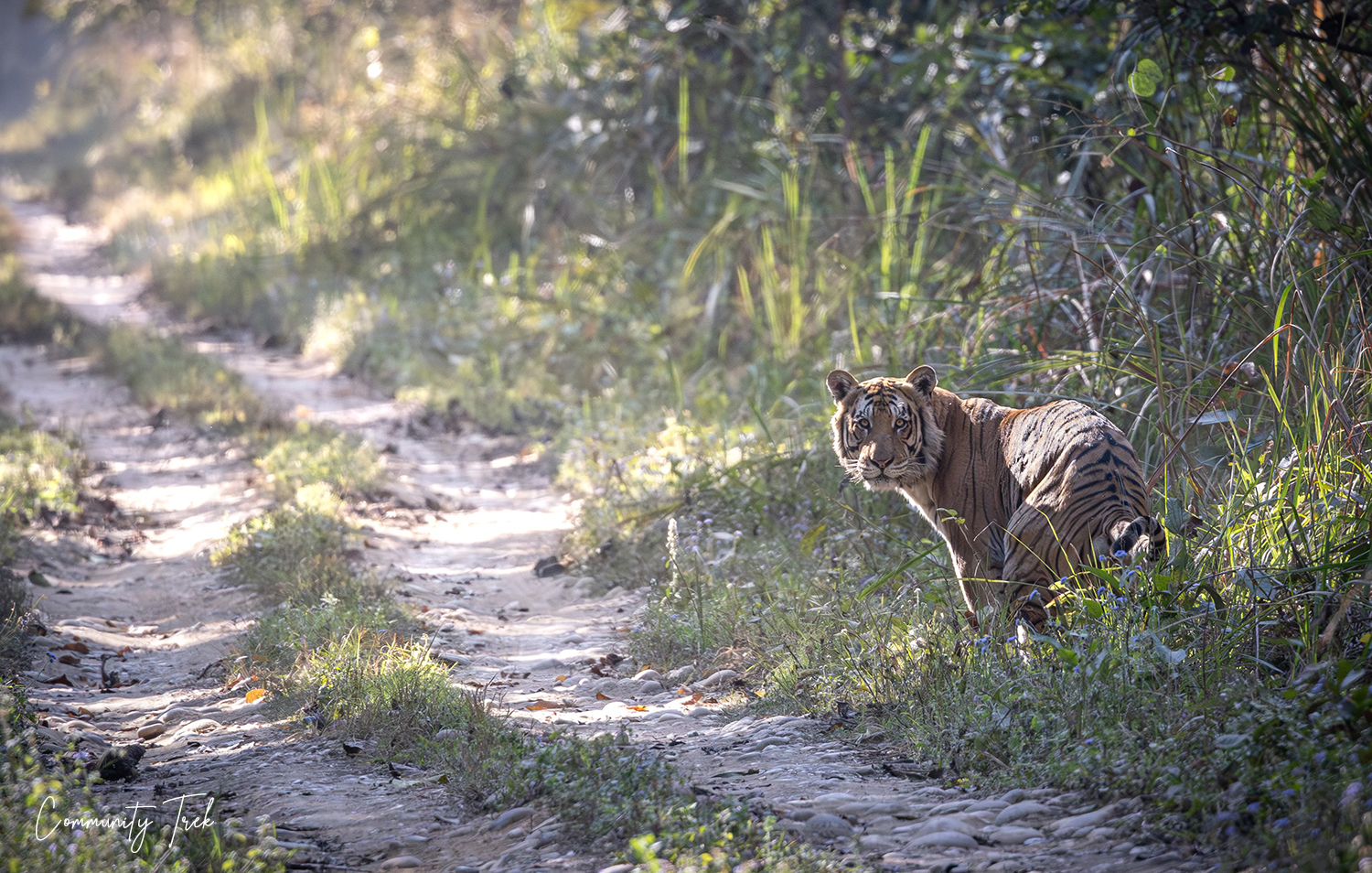
Located in western Nepal, Bardia covers around 968 square kilometres and is the country's largest national park.
The park is particularly well known for its Bengal tiger conservation, but tigers are not the only attraction.
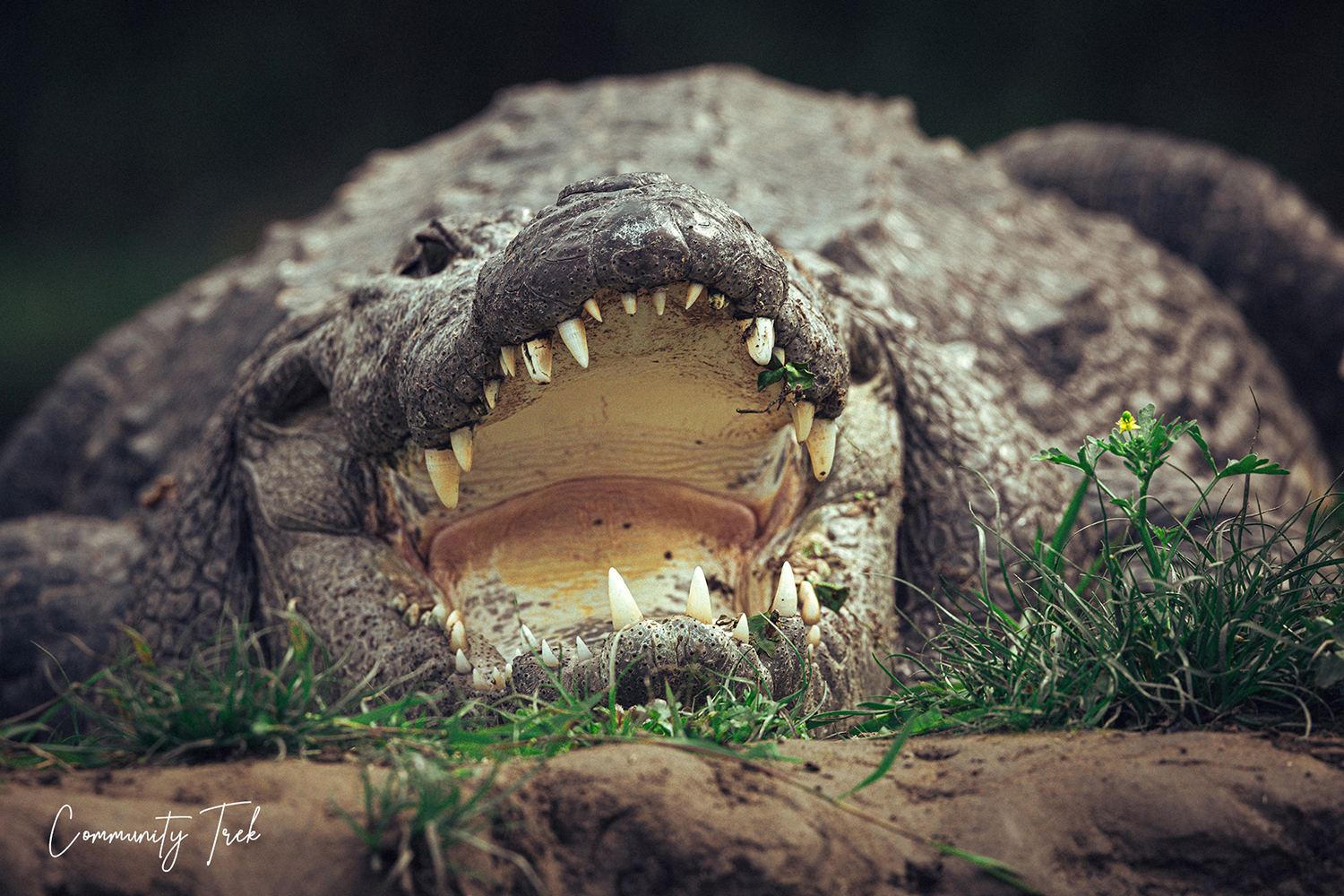
Bardia is home to one-horned rhinoceroses, wild elephants, leopards, deer, crocodiles and many species of birds. The Karnali River and surrounding wetlands also create opportunities for unique wildlife encounters.
Why visit Bardia?
Bardia feels different from Chitwan.
The landscape is vast, the forests feel less crowded and there are generally fewer tourists. For travelers who enjoy getting away from the usual tourist routes, this can make the experience particularly rewarding.
You can explore Bardia through jeep safaris, guided walking safaris and river trips.
A walking safari is especially exciting because you experience the forest at ground level. Instead of watching the jungle through a vehicle window, you become completely aware of the sounds, tracks and movements around you.
Of course, walking in a wildlife area requires an experienced guide and strict safety procedures.
Bardia is also an important destination for birdwatchers, with many species found across its forests, grasslands and wetlands.
Beyond the wildlife
A visit to Bardia can also include an introduction to Tharu culture and local communities. Travelers can learn about traditional lifestyles and how communities living around the national park are connected to wildlife conservation.
Best for: Serious wildlife enthusiasts, photographers, adventure travelers and visitors looking for a quieter safari experience.
3. Koshi Tappu Wildlife Reserve: A Paradise for Birdwatchers
For bird lovers, Koshi Tappu is one of Nepal’s most fascinating wildlife destinations.
Located in eastern Nepal around the Koshi River and its wetlands, the area is especially famous for its rich birdlife.
The wetlands, grasslands and river systems create an ideal habitat for a remarkable variety of birds and other wildlife.
Why is Koshi Tappu different?
Unlike a traditional tiger safari, Koshi Tappu is primarily about wetland wildlife and birdwatching.
The area is known for its impressive diversity of bird species, making it a favorite destination for birdwatchers and nature photographers.
Depending on the season and conditions, visitors may encounter birds ranging from colorful kingfishers to raptors, waterbirds and migratory species.
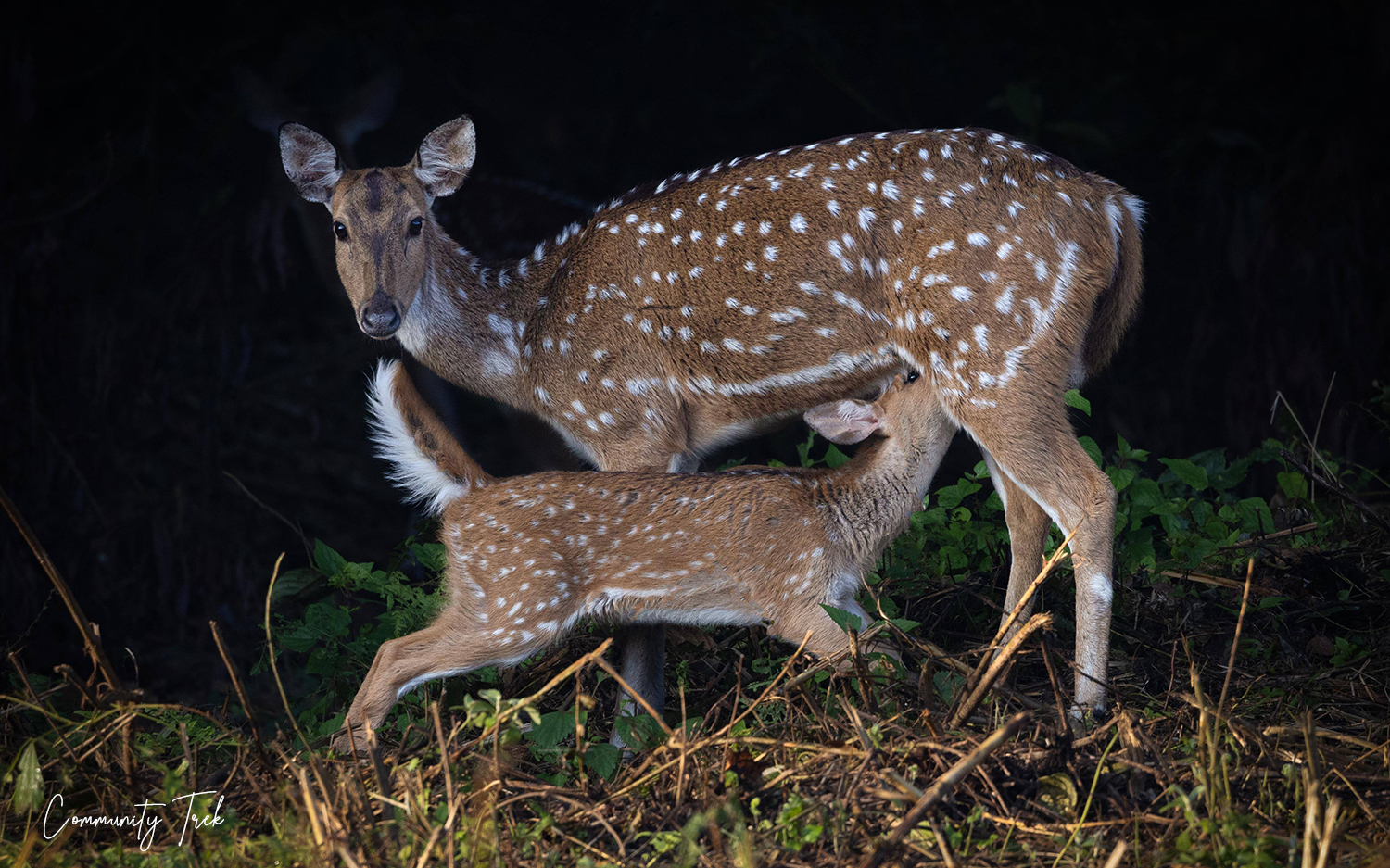
The wetlands also support mammals such as wild boar, spotted deer and other wildlife.
One of the most interesting animals associated with the Koshi River system is the Gangetic river dolphin.
Exploring the area with an experienced naturalist can make a huge difference. A trained guide can identify distant birds by their calls, explain animal behavior and help visitors understand the importance of the wetland ecosystem.
Best for: Birdwatchers, nature photographers, wildlife enthusiasts and travelers interested in wetlands.
4. Shivapuri Nagarjun National Park: Wildlife Close to Kathmandu
You do not always need to travel deep into Nepal's Terai to experience nature.
Just north of Kathmandu lies Shivapuri Nagarjun National Park, a beautiful protected area offering forests, hills, hiking trails and wildlife remarkably close to the capital.
The park covers more than 150 square kilometres and is an excellent option for travelers who have limited time but still want to experience Nepal's natural environment.
What can you do in Shivapuri Nagarjun?
This is not the same type of safari experience as Chitwan or Bardia.
Instead, Shivapuri is particularly suited to hiking, birdwatching, nature walks and peaceful forest experiences.
The park's forests provide habitat for numerous birds and mammals, including species such as leopards and Himalayan black bears, although sightings of larger animals are never guaranteed.
For many visitors, the real attraction is the combination of forest, mountain scenery and proximity to Kathmandu.
You can spend a morning walking through the forest and return to Kathmandu later the same day.
For travelers who enjoy photography, meditation, hiking or simply escaping the noise of the city, Shivapuri offers a refreshing change of scenery.
Best for: Short trips, hikers, birdwatchers, nature lovers and travelers staying in Kathmandu.
5. Parsa National Park: An Off-the-Beaten-Path Wildlife Adventure
Located in south-central Nepal, Parsa National Park is another excellent destination for travelers searching for a less-visited wildlife experience.
The park lies close to Chitwan and forms part of a wider wildlife landscape extending toward India's protected forests.
Parsa is known for its forests, grasslands and rich biodiversity. Wildlife found in the park includes gaur (wild cattle), Bengal tigers, leopards, deer, wild elephants and numerous bird species.
Why choose Parsa?
Parsa receives fewer international visitors than Chitwan, which can make the experience feel more remote.
Jeep safaris and nature walks provide opportunities to explore the park's forests and grasslands, while birdwatching adds another dimension to the trip.
For photographers, the combination of open grassland and dense forest can create excellent opportunities for wildlife and landscape photography.
Parsa is particularly appealing if you have already visited Chitwan and want to discover another part of Nepal's Terai wilderness.
Best for: Adventurous travelers, wildlife photographers and visitors looking for a less-touristy national park.
Which Nepal Wildlife Safari Should You Choose?
Every park offers something different, so the best choice depends on what you want to experience.
| Wildlife Destination | Best Known For | Best For |
|---|---|---|
| Chitwan National Park | Rhinos, jungle safaris and Tharu culture | First-time visitors |
| Bardia National Park | Tigers and quieter wilderness | Serious wildlife lovers |
| Koshi Tappu | Birds and wetlands | Birdwatchers |
| Shivapuri Nagarjun | Forests and hiking near Kathmandu | Short trips and nature walks |
| Parsa National Park | Gaur, tigers and remote forests | Off-the-beaten-path adventures |
When Is the Best Time for a Wildlife Safari in Nepal?
The best time depends on what you want to see and the type of experience you prefer.
The cooler and drier months are generally comfortable for exploring Nepal's lowland national parks. Wildlife can also be easier to spot when vegetation is less dense and animals gather around remaining water sources.
The warmer months can bring lush green landscapes and excellent bird activity, while the monsoon season transforms the Terai into a vibrant green environment.
If wildlife photography is your priority, it is worth discussing your travel dates with a local safari operator because animal sightings and conditions can vary considerably by season.
What Can You See on a Nepal Wildlife Safari?
Nepal's wildlife parks offer an impressive range of animals.
Depending on where you travel, you may have opportunities to see:
- Bengal tigers
- Greater one-horned rhinoceroses
- Leopards
- Wild elephants
- Gaur
- Sloth bears
- Crocodiles
- Gangetic river dolphins
- Spotted deer
- Wild boar
- Hundreds of bird species
However, wildlife is wild. No responsible safari guide can guarantee that you will see a particular animal.
That uncertainty is part of what makes a safari exciting.
You might spend hours looking for a tiger and see nothing, then suddenly notice fresh footprints, movement in the grass or a distant call from the forest.
A Different Side of Nepal
Nepal is often described as a trekking destination, and for good reason. But the country's identity is not limited to the Himalayas.
Within a relatively small geographical area, Nepal offers snow-covered mountains, subtropical forests, rivers, wetlands, grasslands and some of Asia's most fascinating wildlife.
A wildlife safari can therefore be the perfect addition to a Himalayan journey.
Imagine spending a few days trekking in the mountains and then traveling south to watch a rhinoceros moving through the grasslands of Chitwan.
It is one country, but two completely different worlds.
Final Thoughts: Which Nepal Safari Will You Choose?
From the famous forests of Chitwan National Park to the quieter wilderness of Bardia, the bird-filled wetlands of Koshi Tappu, the forest trails of Shivapuri Nagarjun and the remote landscapes of Parsa, Nepal offers far more wildlife experiences than many travelers expect.
Whether your dream is to see a Bengal tiger, photograph a one-horned rhinoceros, identify rare birds or simply spend a few peaceful days surrounded by nature, there is a Nepal wildlife destination for you.
So, when planning your next trip to Nepal, don't look only toward the mountains.
The jungle is waiting too.