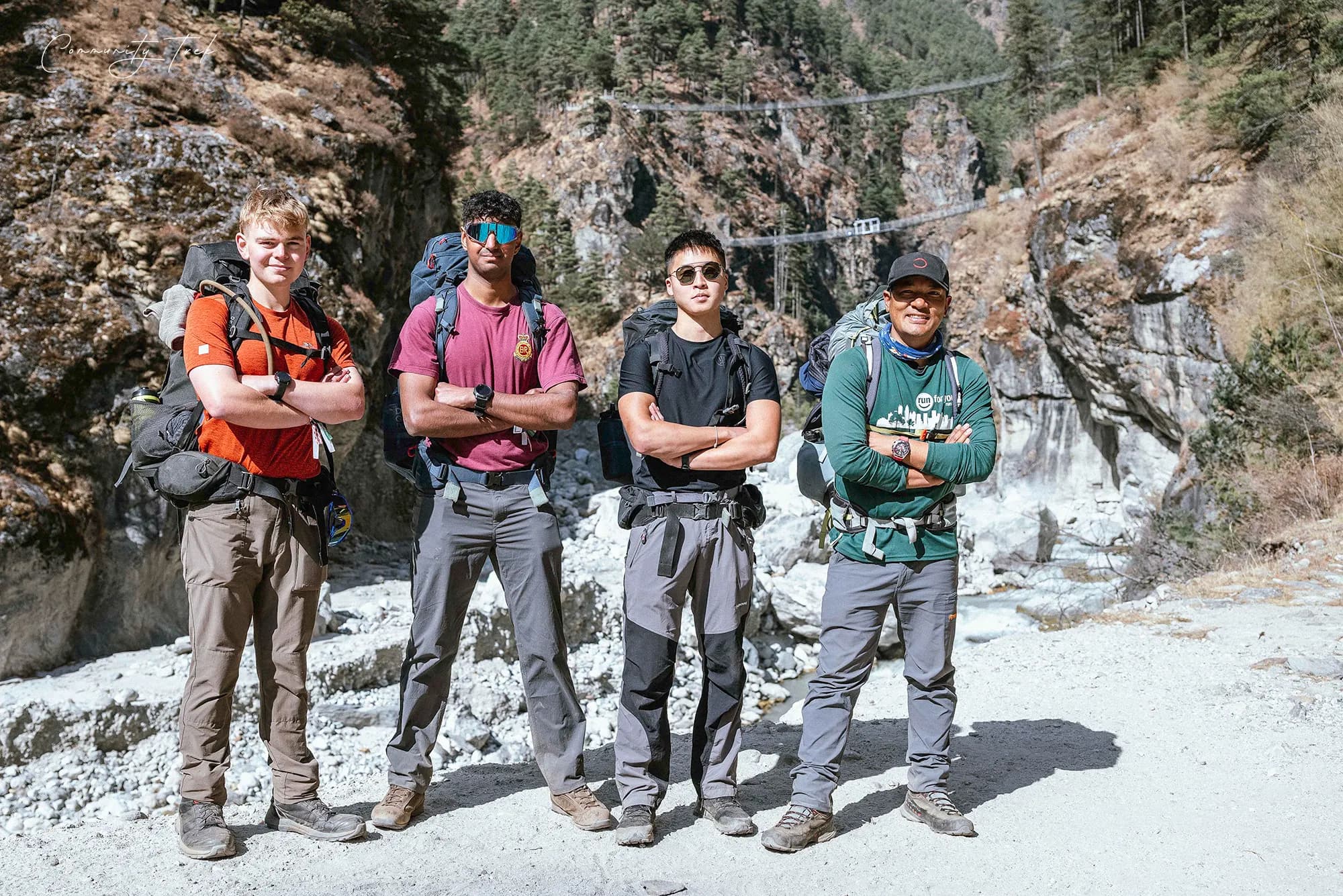
A great Himalayan journey is not only about reaching a destination. It is about understanding the trail, feeling comfortable in unfamiliar places, meeting local people, discovering stories behind ancient villages and monasteries, and knowing that someone experienced is there when the mountains become challenging.
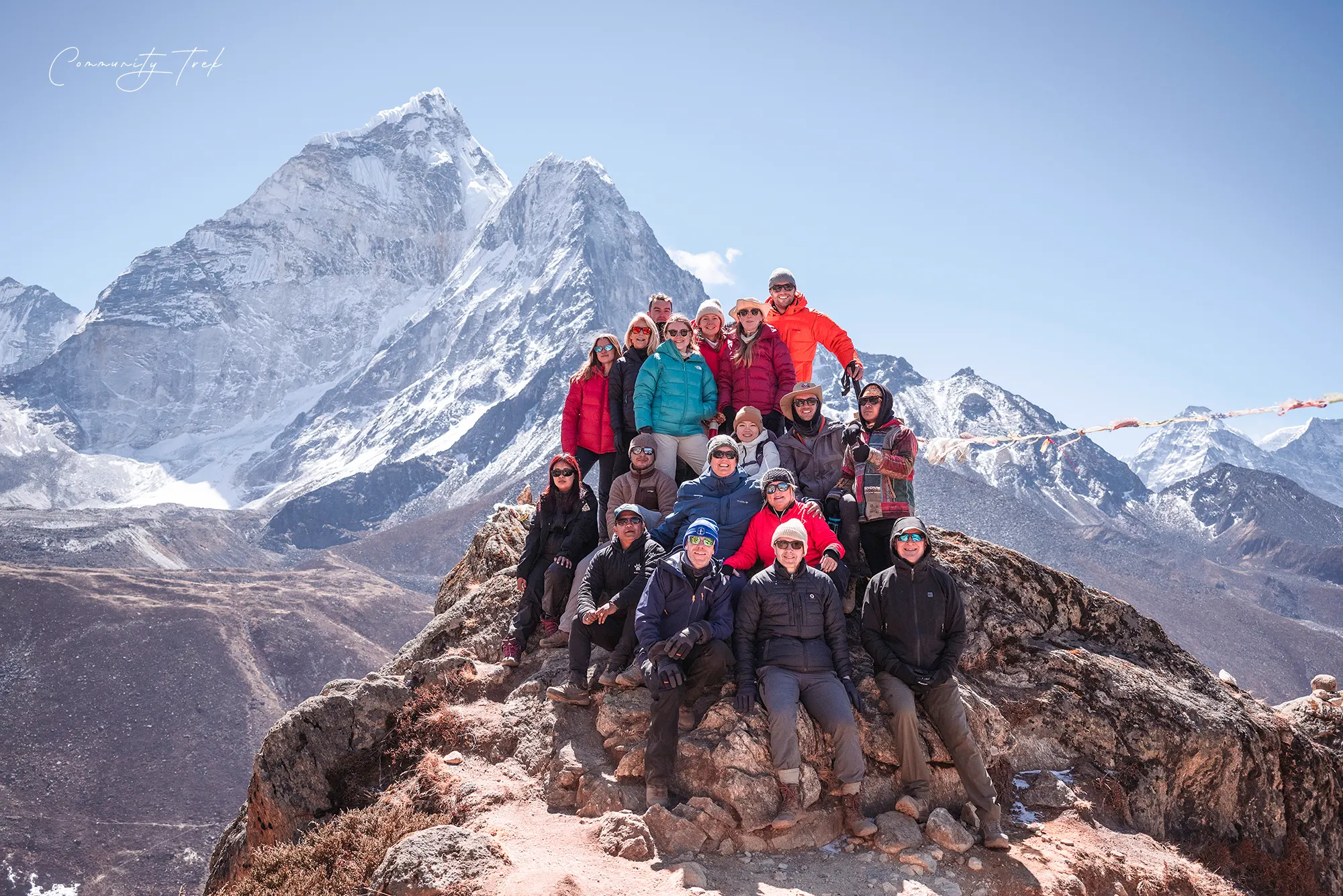
That is where the right Nepal guide makes a difference.
Whether you are planning the Everest Base Camp Trek, Annapurna Circuit, Manaslu Circuit, Upper Mustang Trek, Langtang Valley Trek, a remote Himalayan adventure, a cultural tour, or a high-altitude climbing expedition, an experienced local guide can make your journey safer, smoother, and much more meaningful.
We are a team of licensed and experienced trekking, climbing, and tour guides in Nepal, with around 10–15 years of experience working in the Himalayas. Our team includes 7 trekking guides, 4 expedition guides, and 15 porters, all from different mountain regions of Nepal. Because our guides are local mountain professionals, they bring practical knowledge of the trails, weather, villages, culture, mountain conditions, accommodation, and everyday life in the Himalayas.
Our goal is simple: to help you experience Nepal like a traveler, not simply pass through it like a tourist.
Why Hire a Guide in Nepal?
Nepal is easy to fall in love with, but the Himalayas can be demanding. Trails can change with weather, altitude affects everyone differently, and remote trekking areas may have limited services.
A professional Nepal guide does much more than show you the way.
Your guide can help with:
- Trail navigation and daily trekking decisions
- Altitude awareness and acclimatization
- Basic first aid and emergency coordination
- Choosing appropriate walking pace and rest periods
- Accommodation and meal arrangements
- Trekking permits and local procedures
- Communication with local communities
- Understanding Nepalese culture, traditions, and customs
- Identifying mountains, wildlife, plants, monasteries, and landmarks
- Adjusting the itinerary when weather or trail conditions require it
- Making your trip more comfortable and enjoyable
Most importantly, an experienced guide gives you local knowledge that you cannot get from a map or guidebook alone.
Our Guide Services in Nepal
Different journeys require different kinds of expertise. We provide several types of guides depending on your destination, activity, experience, language, and budget.
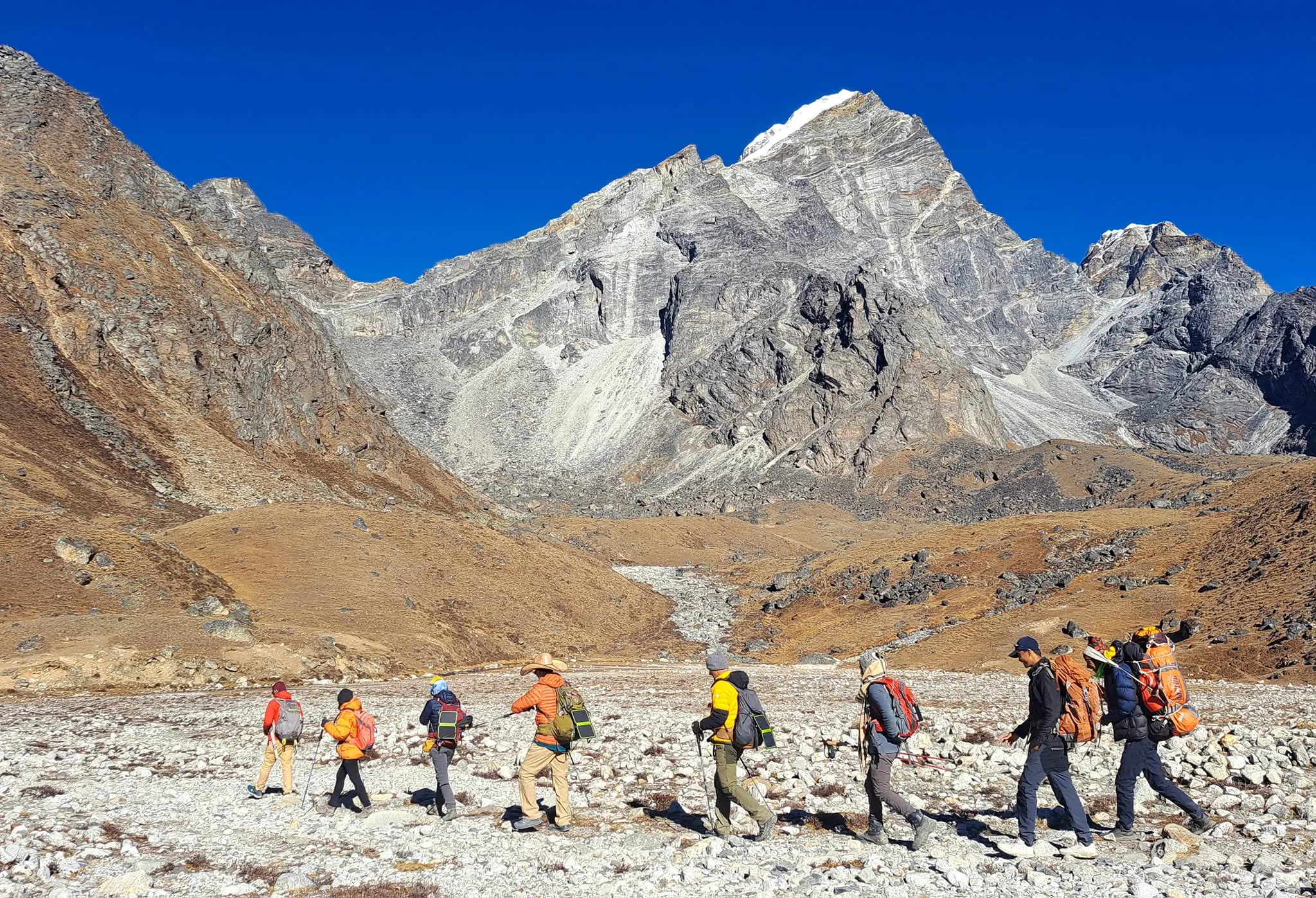
1. Trekking Guide in Nepal
Our trekking guides accompany travelers on Nepal's popular and remote trekking routes. They understand the practical realities of walking in the Himalayas, from altitude and weather to local accommodation and trail conditions.
Our trekking guides can accompany you on destinations including:
- Everest Base Camp Trek
- Annapurna Circuit Trek
- Annapurna Base Camp Trek
- Manaslu Circuit Trek
- Langtang Valley Trek
- Upper Mustang Trek
- Tsum Valley Trek
- Mardi Himal Trek
- Kanchenjunga Trek
- Nar Phu Valley Trek
- Pikey Peak Trek
- Dolpo and other remote Himalayan treks
Whether you are an experienced trekker or visiting the Himalayas for the first time, we can match you with a guide according to your itinerary and experience level.
What makes a good trekking guide?
A good guide should not simply walk ahead of you.
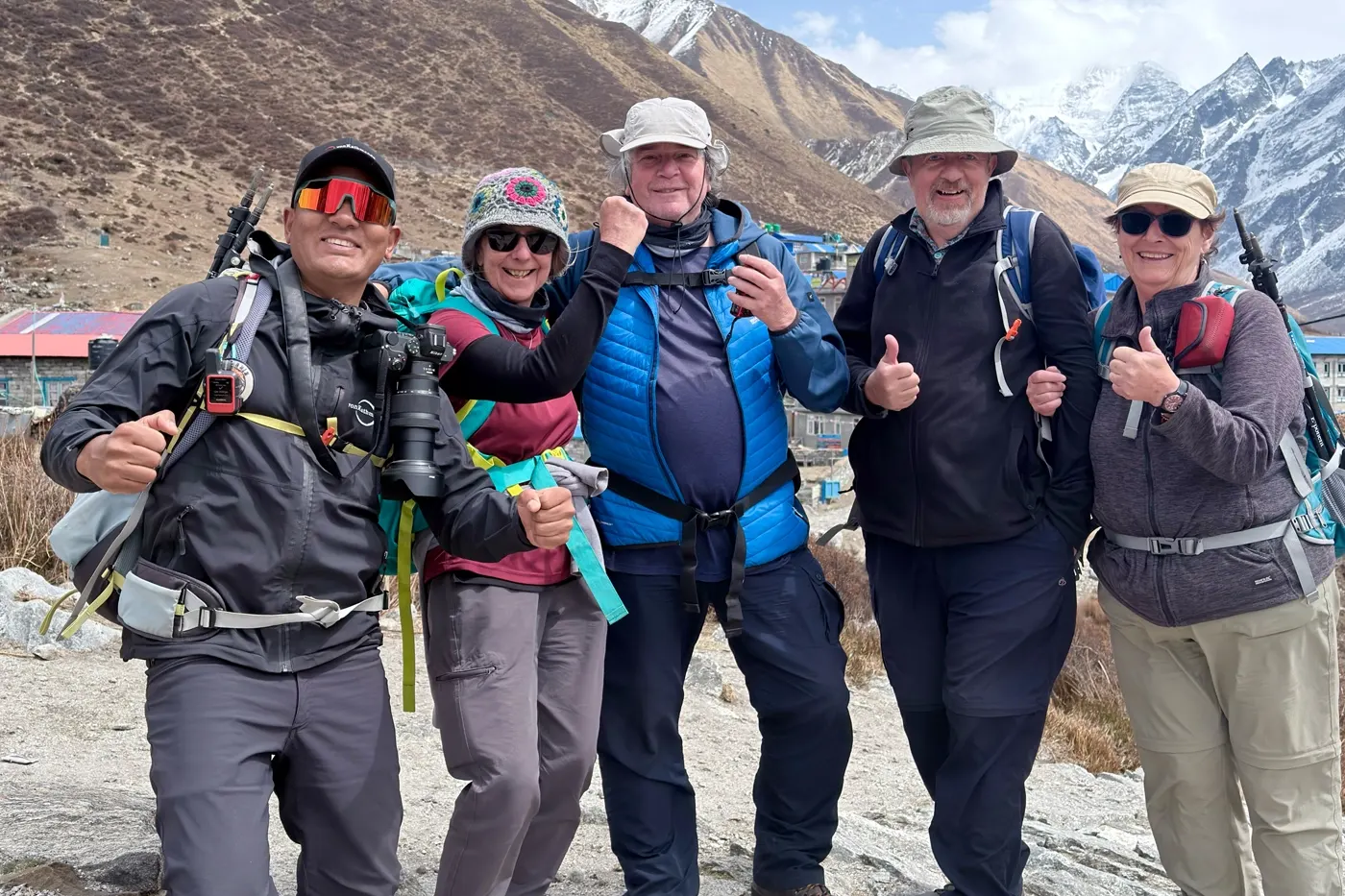
They should know when to walk slowly, when to stop, when the weather may become a concern, where to find accommodation, how to communicate with local people, and how to recognize signs that a trekker may be struggling with altitude or exhaustion.
Our guides combine this practical experience with knowledge of Nepal's mountain communities and culture.
2. Mountain Climbing & Expedition Guides
For technical climbing and high-altitude expeditions, experience matters even more.
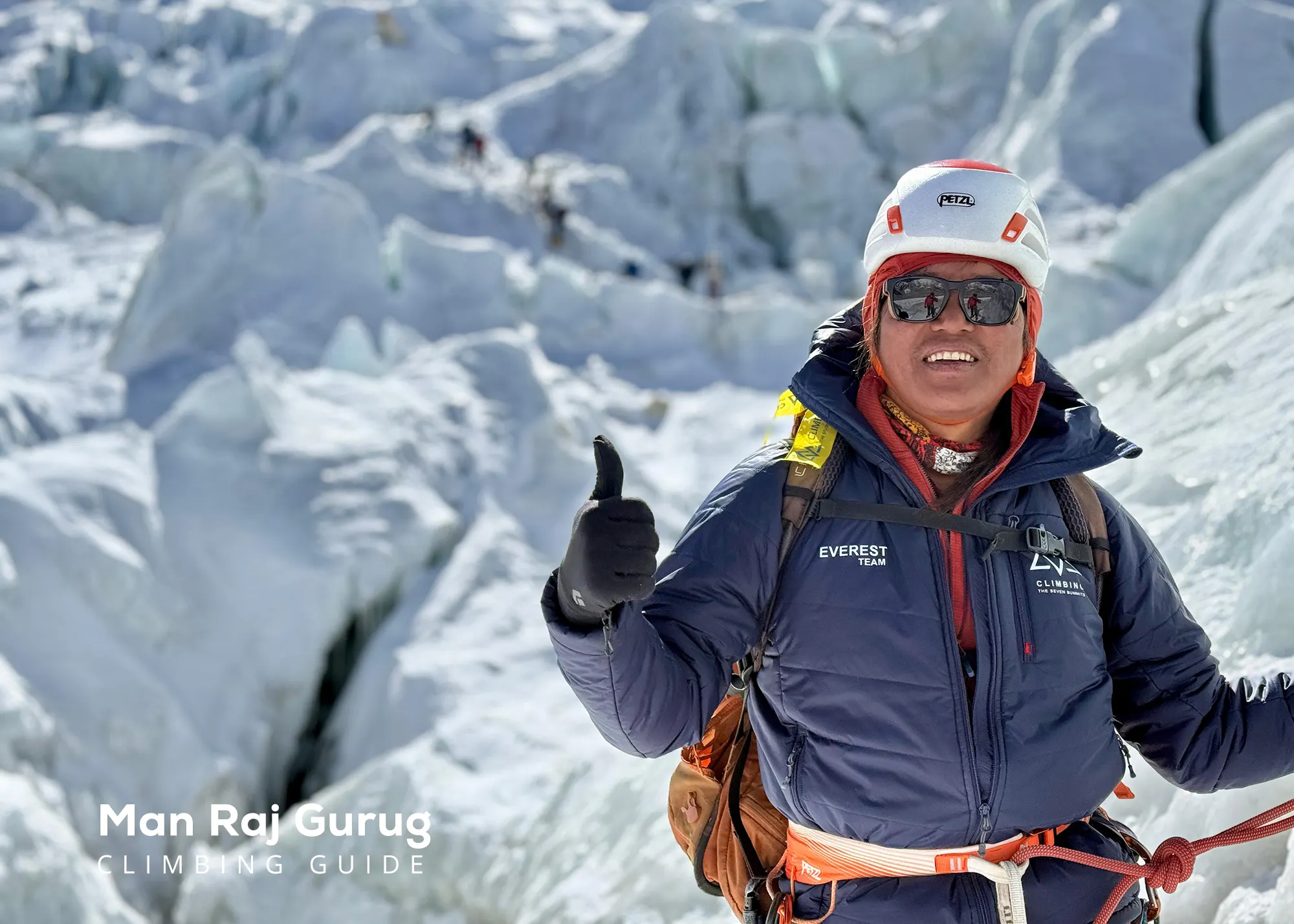
Our expedition guides have experience with Himalayan climbing environments and can assist with the planning and execution of climbing trips ranging from trekking peaks to major Himalayan expeditions.
Depending on the mountain and expedition requirements, climbing destinations may include:
Major 8,000-Meter Mountains
- Mount Everest – 8,848.86 m
- Kanchenjunga – 8,586 m
- Lhotse – 8,516 m
- Makalu – 8,485 m
- Cho Oyu – 8,188 m
- Dhaulagiri – 8,167 m
- Manaslu – 8,163 m
- Annapurna I – 8,091 m
Popular Trekking Peaks
- Mera Peak – 6,476 m
- Island Peak – 6,189 m
- Lobuche East – 6,119 m
- Chulu West – 6,419 m
- Pisang Peak – 6,091 m
- Dhampus Peak – 6,012 m
- Pharchamo Peak – 6,187 m
- Pokalde Peak – 5,806 m
- Yala Peak – 5,700 m
- Tent Peak – 5,663 m
Climbing requires more than route knowledge. Depending on the mountain, climbers may need technical skills, specialized equipment, permits, acclimatization planning, rope systems, glacier travel knowledge, and careful weather assessment.
For technical expeditions, guide selection should always be based on the mountain, current regulations, required qualifications, and the guide's specific experience.
3. Cultural & City Tour Guides in Nepal
Nepal is much more than mountains.
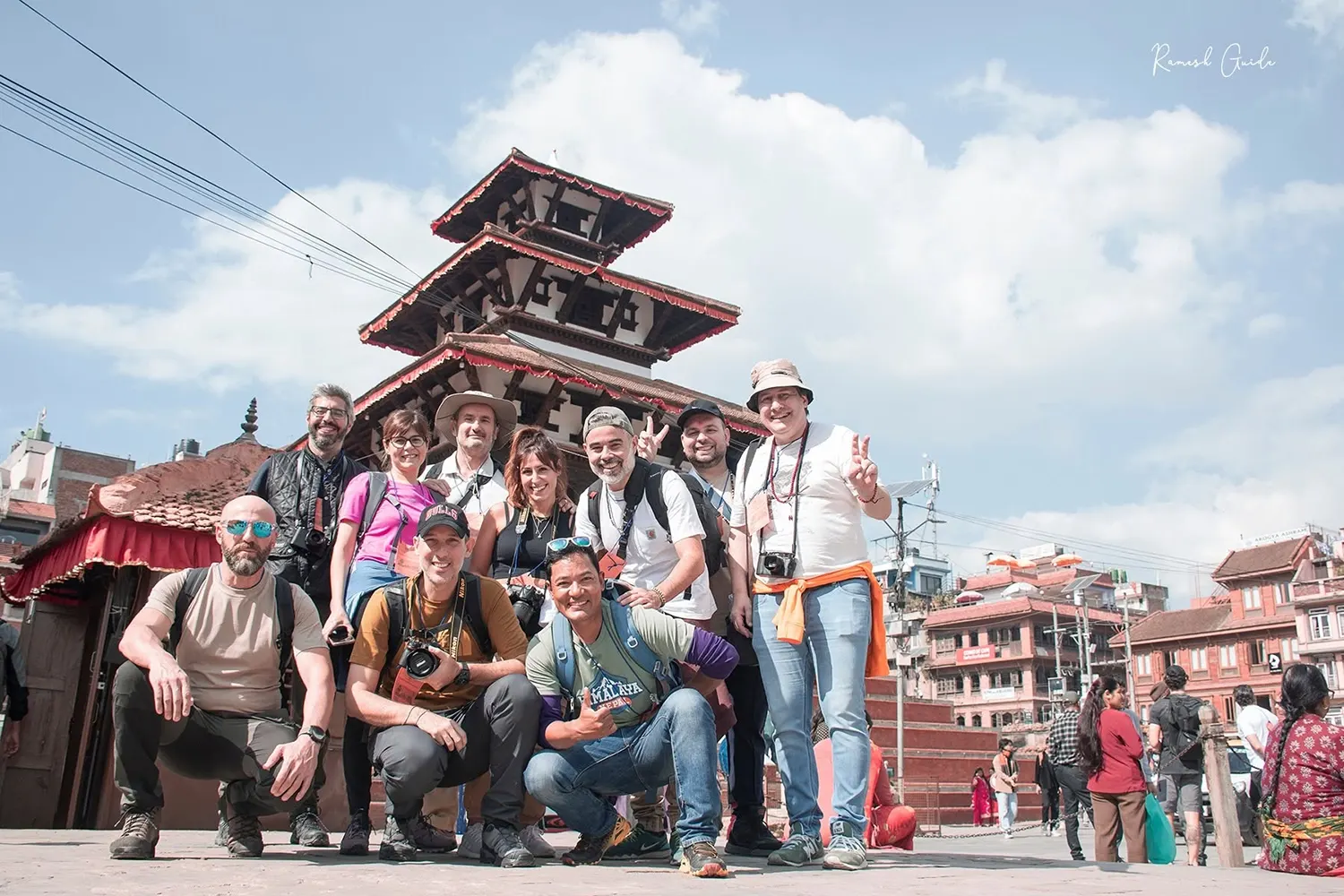
If your interest is history, architecture, religion, art, food, festivals, or everyday Nepalese life, a knowledgeable cultural guide can transform a sightseeing day into a much richer experience.
Our city and cultural guides can assist with tours around places such as:
- Kathmandu
- Bhaktapur
- Patan
- Kathmandu Valley heritage sites
- Ancient temples and monasteries
- Buddhist and Hindu pilgrimage sites
- Traditional villages
- Cultural and historical destinations throughout Nepal
Instead of simply telling you the name and age of a monument, a good cultural guide explains why the place matters and how it connects to Nepalese history, religion, architecture, and local life.
4. Photography Trek Guides
Nepal is a dream destination for photographers.
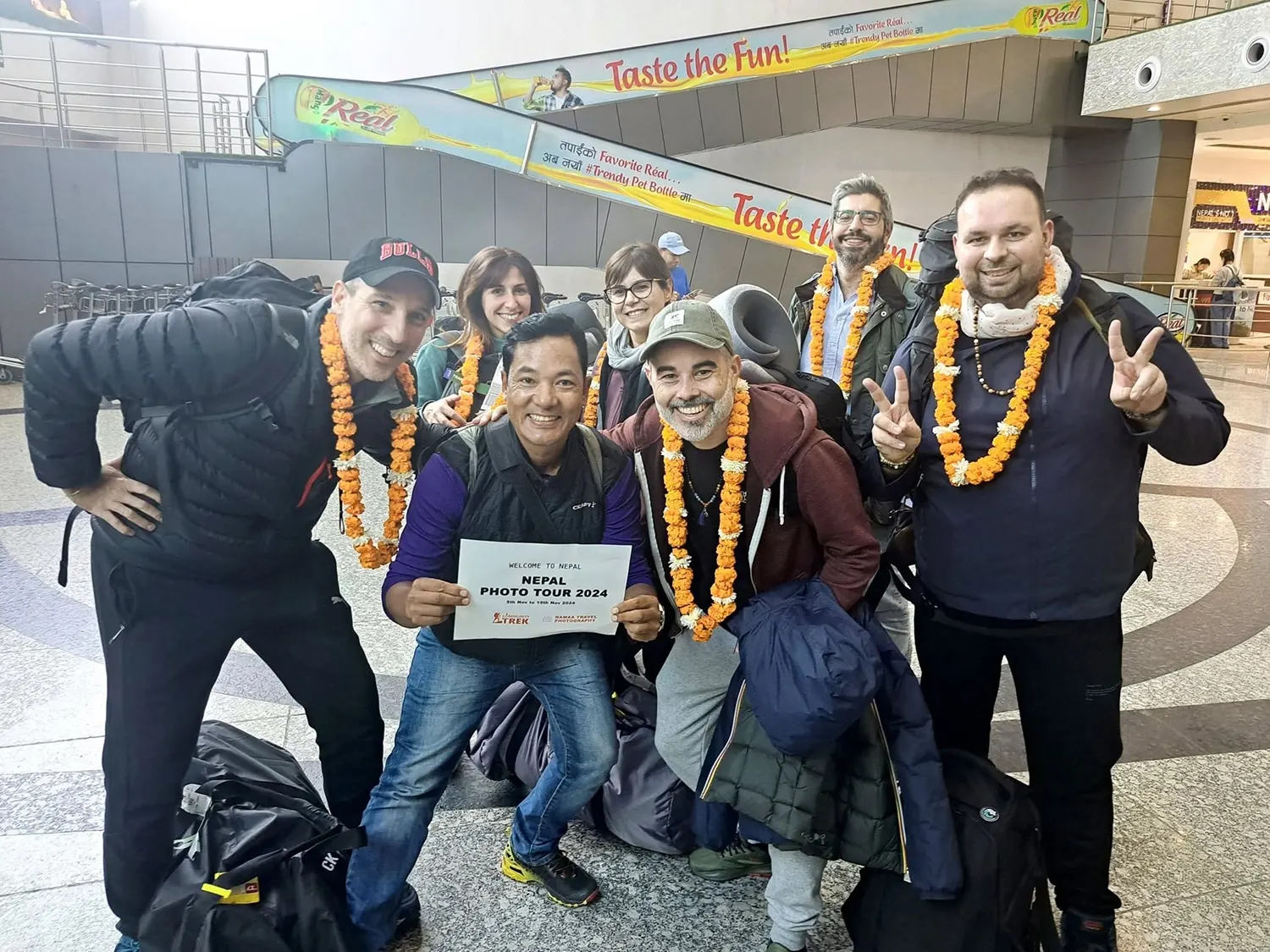
From golden Himalayan sunrise to dramatic mountain landscapes, Tibetan-influenced villages, ancient monasteries, prayer flags, traditional homes, and everyday mountain life, there is something to photograph almost everywhere.
A photography trek requires a slightly different approach.
Our photography-oriented guides can help you combine trekking with photography by considering:
- Sunrise and sunset viewpoints
- Mountain landscapes
- Local villages and architecture
- Monasteries and cultural sites
- Seasonal scenery
- Walking pace and photography stops
- Local customs when photographing people
- Reaching viewpoints at the right time of day
The idea is not to rush from one overnight stop to another. It is to give you time to experience and photograph the landscape.
5. Porter-Guide Service in Nepal
For travelers looking for a more affordable option, a porter-guide can be a practical choice on suitable trekking routes.
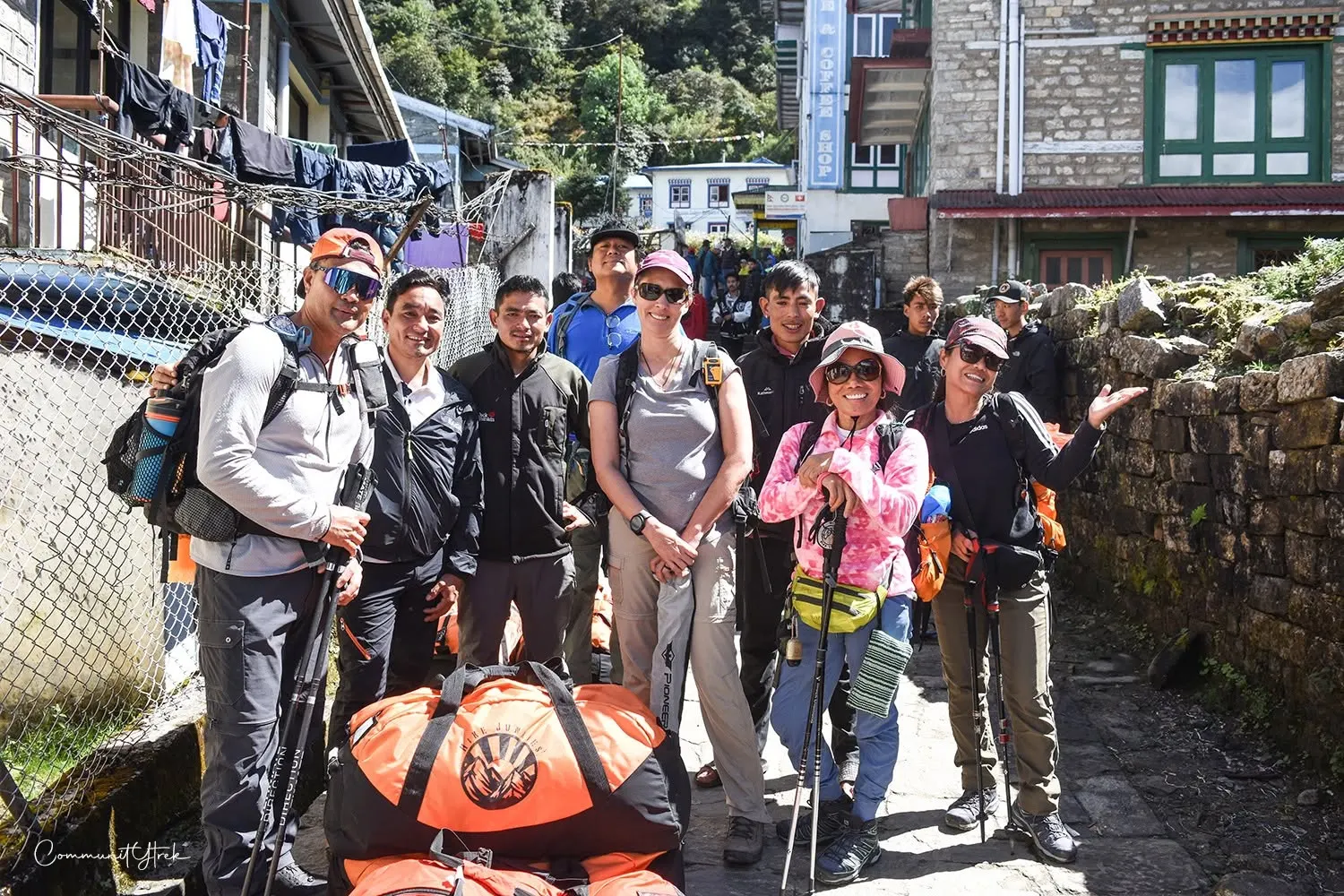
A porter-guide combines basic guiding assistance with luggage-carrying responsibilities. This service is particularly useful for travelers undertaking shorter or less technically demanding treks who want local support without the cost of a full trekking guide and separate porter.
However, a porter-guide is not a replacement for a qualified climbing guide or specialist expedition guide. For high-altitude, technical, or challenging routes, we recommend using an appropriately qualified professional.
Experienced Local Guides Who Know the Mountains
Our team is made up of local mountain professionals from different regions of Nepal.
We currently work with:
7 Trekking Guides
Experienced in popular and remote trekking destinations across Nepal.
4 Expedition Guides
Focused on mountain climbing and high-altitude expedition support.
15-20 Porters
Local mountain workers who help carry luggage and trekking equipment.
Our team members have strong knowledge of mountain trails and communicate comfortably in English. More importantly, they understand the practical side of Himalayan travel—something that comes from years of working on the trails.
Are Nepalese Guides Trained and Licensed?
Professional guiding in Nepal involves training and certification, and travelers should always check that the guide they hire has the appropriate credentials for their activity.
Depending on their role, professional guides may receive training in areas such as:
- Trekking and mountain safety
- First aid
- Altitude awareness
- Route management
- Himalayan geography
- Nepalese culture and traditions
- Weather and environmental awareness
- Emergency procedures
- Communication and guest management
For climbing, the required qualifications can be more specialized. Depending on the expedition, climbers may require guides with appropriate mountaineering credentials and experience.
When booking a guide, don't choose only by the cheapest daily rate. Ask about licensing, experience, previous work on your route, emergency knowledge, and the specific skills required for your trip.
What Does a Nepal Guide Actually Do?
This is one of the most common questions travelers ask before booking.
A guide's role depends on your trip, but during a typical trek, your guide may:
Before the Trek
- Discuss your itinerary
- Help you understand the route
- Review trekking requirements
- Explain altitude and acclimatization
- Assist with trip preparation
- Help coordinate permits and logistics
During the Trek
- Lead and navigate the route
- Monitor your general wellbeing
- Recommend appropriate rest periods
- Help arrange accommodation
- Communicate with teahouses and local communities
- Explain cultural and natural attractions
- Assist when unexpected problems occur
- Coordinate changes when necessary
At the End of the Day
A good guide also knows that trekking is not a race.
They help create a realistic pace so you can enjoy the journey rather than spend every day worrying about reaching the next village.
Why a Local Guide Can Change Your Nepal Experience
Imagine walking through a remote Himalayan village.
Without a guide, you might notice the stone houses, prayer flags, mountains, and monastery.
With a knowledgeable local guide, you may learn why the houses are built that way, what the monastery represents, why a particular festival is celebrated, where the village's water comes from, which mountain you are looking at, and how people have adapted their lives to the high-altitude environment.
That is the difference between seeing Nepal and experiencing Nepal.
A guide becomes your connection between the landscape and the people who call it home.
Safety in the Himalayas: Why Experience Matters
Mountain travel always involves some level of uncertainty.
Weather can change quickly. Trails can become difficult. Long walking days can cause exhaustion. Altitude can affect even physically fit travelers.
An experienced guide can help you make better decisions by recognizing changing conditions and knowing the local options.
A responsible guide should never encourage you to continue simply because an itinerary says you should.
Your safety comes before the itinerary.
If weather, health, trail conditions, or altitude make a planned schedule unsafe, an experienced team should be prepared to adapt.
Guide Service for Independent Travelers
You do not have to join a large group to hire a guide.
Our guide service can be arranged for:
- Solo travelers
- Couples
- Families
- Friends traveling together
- Small private groups
- Experienced trekkers
- First-time Himalayan trekkers
- Photographers
- Adventure travelers
- Climbers and mountaineers
You can choose a guide-only arrangement, or we can help arrange a guide, porter, accommodation, transportation, permits, and other trekking logistics depending on your needs.
Guide Service According to Your Budget
We understand that every traveler has a different budget.
Some travelers want a highly experienced specialist guide. Others simply need reliable local assistance on a straightforward trek.
We can arrange guides and porters according to your destination, group size, trekking difficulty, duration, and budget.
Our Indicative Daily Rates
| Service | Rate |
|---|---|
| Trekking Guide | US$40-50/day |
| Climbing Guide | US$65-75/day |
| English-Speaking Tour Guide | US$55-75/day |
| Other-Language Tour Guide | US$80-100/day |
| Porter-Guide | US$35-40/day |
| Porter | US$25-30/day |
These rates are intended as guide-service rates. Your total trip cost may be different depending on permits, transportation, accommodation, meals, equipment, insurance, route, season, and other services.
For climbing and expedition trips, the cost and required guide qualifications can vary significantly depending on the mountain and expedition arrangements.
How to Choose the Right Guide in Nepal
Choosing a guide is one of the most important decisions you can make before a Himalayan trip.
Before booking, ask these questions:
1. Is the guide experienced on my route?
Experience on one trekking route does not automatically mean experience on every route. Ask specifically about your destination.
2. Is the guide appropriately licensed or qualified?
For trekking, climbing, and specialist activities, make sure the guide has the appropriate credentials for your trip.
3. Does the guide understand altitude and emergencies?
This is particularly important for high-altitude trekking and expeditions.
4. Can we communicate comfortably?
A guide should be able to understand your needs and explain important information clearly.
5. What is included in the guide fee?
Clarify whether the daily rate covers only the guide's service or whether additional costs are involved.
6. Is the guide a good match for my travel style?
Some travelers want to walk quickly and focus on the mountains. Others want photography, culture, conversation, and plenty of stops.
The best guide is not necessarily the most expensive guide. It is the guide whose experience matches your journey.
Book a Nepal Guide for Your Himalayan Journey
Your guide may be the person you spend the most time with during a Himalayan trek.
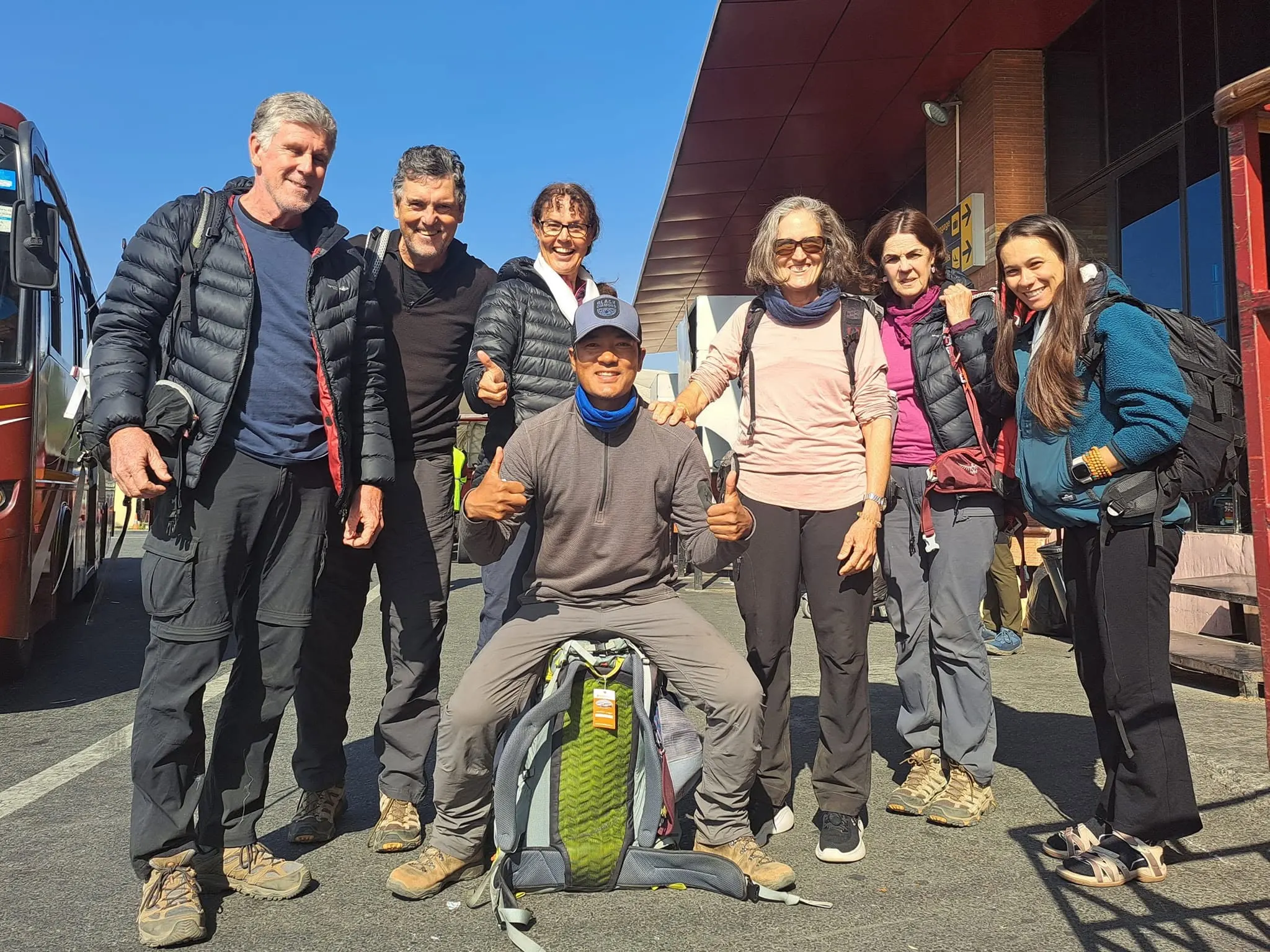
You will share early mornings, long walking days, mountain weather, simple teahouses, spectacular viewpoints, difficult climbs, laughter, and unforgettable moments.
That is why we believe guide service should be about more than simply providing someone to lead the way.
We want to provide experienced local companionship, practical mountain knowledge, responsible support, and a genuine connection with Nepal.
Whether you are planning your first trek or returning to Nepal for another Himalayan adventure, we can help you find the right guide or porter for your journey.
Tell us your destination, travel dates, group size, and the type of experience you are looking for. We will recommend the most suitable guide service for your trip and budget.
Frequently Asked Questions About Guide Services in Nepal
Do I need a guide for trekking in Nepal?
The requirement depends on the trekking area and current regulations, while a guide is also strongly recommended for many remote, high-altitude, and challenging routes. A professional guide provides navigation, local knowledge, logistical support, and assistance when conditions change.
How much does a trekking guide cost in Nepal?
Our indicative trekking guide rate is US$40-50 per day. The final cost can depend on the itinerary, duration, guide experience, route, and services required.
How much does a porter cost in Nepal?
Our indicative porter rate is US$25-30 per day. A porter-guide is available at around US$35 per day.
What is the difference between a trekking guide and a porter-guide?
A trekking guide is primarily responsible for guiding, navigation, safety awareness, logistics, and providing local knowledge. A porter-guide combines basic guiding assistance with luggage-carrying responsibilities and is best suited to appropriate trekking routes.
Can I hire a private guide in Nepal?
Yes. Private guide services can be arranged for solo travelers, couples, families, and private groups.
Can I hire a guide only without booking a complete trekking package?
Yes. If you already have your trekking arrangements, we can arrange guide-only or porter-only services according to your itinerary.
Can you provide an English-speaking guide?
Yes. Our team includes guides who communicate in English. Other-language tour guides can also be arranged depending on availability.
Can I hire a climbing guide for an expedition?
Yes, but climbing guides should be selected according to the specific mountain, technical requirements, regulations, and required qualifications. We can discuss your climbing objective and recommend an appropriate guide arrangement.
Why should I hire a local guide in Nepal?
A local guide brings practical knowledge of the trails, mountain environment, villages, culture, accommodation, weather patterns, and local communities. They can also help make your journey more flexible and meaningful.
Your Himalayan Journey Starts With the Right Guide
The Himalayas do not need to be conquered to be experienced.
Sometimes the most memorable moments happen between destinations—a conversation with a villager, a quiet morning above the clouds, a cup of tea in a mountain lodge, an unexpected view around a trail corner, or a story your guide tells while walking through an ancient village.
Choose a guide who knows the mountains, respects the communities, understands your journey, and helps you experience Nepal at your own pace.
Your route may be on the map, but your guide is the person who helps bring that route to life.